
A Masterful and Audacious Act of Satire, a Trojan Horse of a Pop Song Hiding a Dark, Anti-Authoritarian Heart.
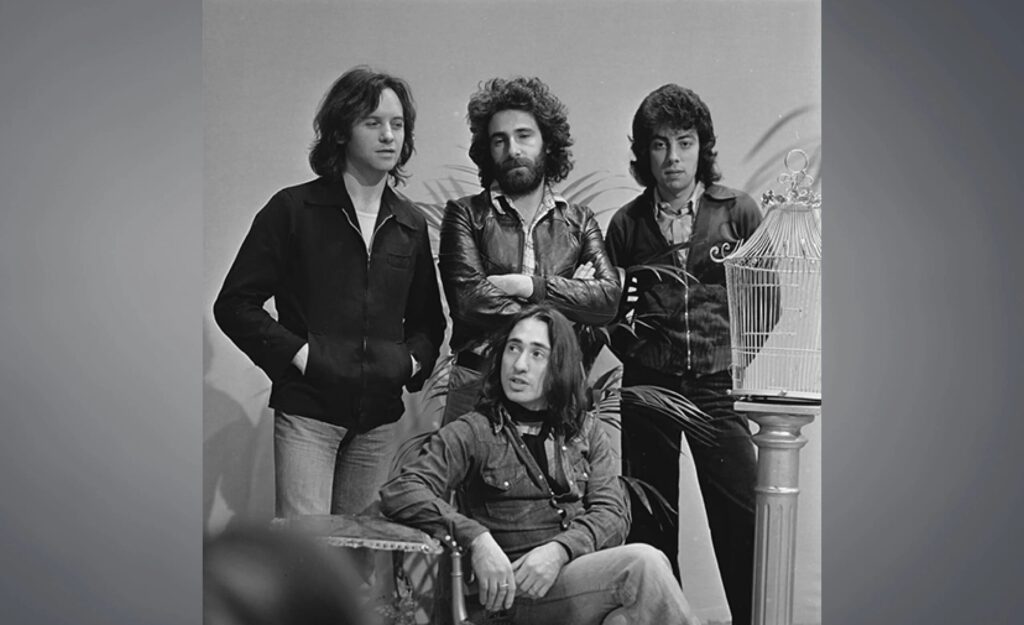
In the early 1970s, as the musical landscape was transitioning from the progressive epics of the ’60s to the more polished sounds of the late ’70s, a new kind of band emerged from the shadows of the British music scene. They were four brilliant, cynical, and wickedly funny session musicians and producers who had spent years crafting the hits of others. Now, as 10cc, they were ready to play their own game. Their 1973 self-titled debut album was a statement of their eccentric, intellectual, and musically ambitious vision. But it was a single from that album, a song that was as catchy as it was bizarre, that announced their arrival to the world. That song was “Rubber Bullets.” It was a massive, unexpected hit, rocketing to number 1 on the UK Singles Chart and, in a dramatic contrast, only reaching number 73 on the Billboard Hot 100 in the US. This sharp divergence in its success perfectly highlights the song’s deeply British, darkly humorous, and audaciously satirical core.
The story behind “Rubber Bullets” is one of the music world’s most masterful high-stakes jokes. The band, led by the creative duo of Graham Gouldman and Kevin Godley, crafted a song that was a perfect Trojan horse. On the surface, it had all the hallmarks of a breezy, feel-good summer hit: a simple, repetitive surf-rock guitar riff, an infectious rhythm, and a doo-wop chorus. It was designed to be a pop song that would get stuck in your head and make you dance. But the lyrics told a wildly different story—a chaotic, absurd, and deeply satirical narrative about a prison riot. The “rubber bullets” themselves are the central, blackly humorous metaphor, a symbol of the absurd and, at times, comical attempts by authority to maintain control. The drama of the song is the constant, theatrical tension between its infectious, bubblegum sound and its surreal, anti-authoritarian message.
The lyrical drama of the song is a powerful, yet hilarious, monologue from a prisoner. The lyrics paint a vivid, almost hallucinatory picture of a prison uprising, where inmates are “gonna blow a hole in the sky” and are armed with “water pistols.” The song is a satirical commentary on power, freedom, and the futility of control. The band members’ signatures, their rich, multi-tracked vocal harmonies, add a beautiful, yet unsettling, layer to the sound. They turn a potentially dark and serious song into a bizarrely catchy anthem, as if they are laughing at the very absurdity of the situation they’re describing. The music and lyrics are in a constant, dramatic conflict, and that is where the song’s true genius lies—in its ability to be both a chart-topping hit and a subversive piece of art.
For those who came of age with this music, “Rubber Bullets” is more than just a novelty song; it’s a testament to 10cc’s brilliance and their refusal to be confined by pop conventions. It’s a nostalgic reminder of an era when rock music could be both witty and deeply subversive, when a band could trick the public into dancing to a song about a prison riot. The song’s enduring power lies in its timeless message of rebellion and its audacious humor. It stands as a timeless and deeply emotional piece of music, a masterful and humorous rebellion that continues to resonate with its audacious, cinematic drama.