
A sprawling, dynamic epic reflecting the anxieties and uncertainties of a turbulent era, escalating from gentle introspection to a primal scream of anguish.
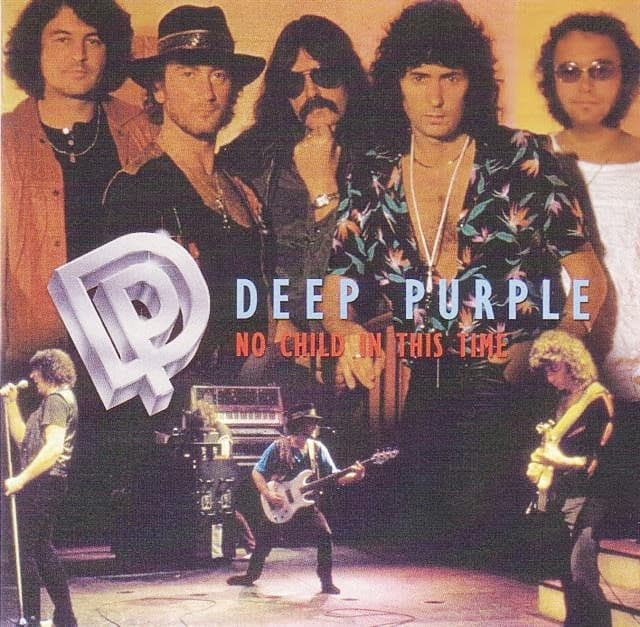
“Child in Time”, the monumental centerpiece of Deep Purple’s 1970 album “Deep Purple in Rock”, is more than just a song; it’s a sonic journey, a dynamic and emotionally charged reflection of the tumultuous times in which it was created. While never released as a single in its full, sprawling glory, its profound impact on the hard rock landscape and its enduring popularity among fans have cemented its status as one of the band’s most iconic and revered compositions. This ten-minute-plus masterpiece takes listeners on a breathtaking ride, shifting from delicate vulnerability to explosive power, mirroring the anxieties and uncertainties of a generation grappling with war and social upheaval.
The story behind “Child in Time” is rooted in the escalating tensions of the Cold War and the pervasive fear of nuclear conflict that hung heavy in the air. Inspired by the American folk song “Baltimore” (specifically Tim Hardin’s version), the lyrics, primarily penned by Ian Gillan, paint a stark and haunting picture of innocence lost and the looming threat of destruction. The “child in time” becomes a symbol of vulnerability in the face of overwhelming power and the potential for catastrophic violence. The song’s creation was a collaborative effort, with the band members intuitively building its dynamic structure, from the quiet, almost whispered opening to the explosive instrumental sections and Gillan’s unforgettable, primal screams.
The meaning of “Child in Time” is a powerful and poignant commentary on the fragility of peace and the devastating consequences of conflict. The gentle opening verses evoke a sense of innocence and a yearning for a simpler time, while the escalating musical intensity and the increasingly anguished vocals reflect the growing fear and inevitability of violence. The iconic screams that punctuate the song are not just displays of vocal prowess; they are raw expressions of pain, terror, and the ultimate loss of control. The extended instrumental passages serve as a sonic representation of the chaos and destruction of war, a swirling maelstrom of sound that underscores the lyrical themes. The song ultimately serves as a lament for lost innocence and a stark warning against the destructive nature of human conflict.
Musically, “Child in Time” is a groundbreaking achievement in hard rock dynamics. It showcases the band’s exceptional musicianship and their ability to create a truly epic sonic landscape. Ritchie Blackmore’s haunting and melodic guitar work in the opening sections sets a tone of fragile beauty, which is then contrasted by his searing and aggressive solos during the song’s heavier passages. Jon Lord’s atmospheric organ playing adds a layer of both beauty and unease, creating a sense of dramatic tension. Ian Paice’s precise and powerful drumming, along with Roger Glover’s driving bassline, provides a solid foundation for the song’s dramatic shifts in intensity. And, of course, Ian Gillan’s vocal performance is legendary, ranging from tender vulnerability to those iconic, bloodcurdling screams that encapsulate the song’s emotional core.
For those who experienced the turbulent era of the early 1970s, “Child in Time” resonated deeply with the anxieties and uncertainties of the time. It became an anthem for a generation grappling with the Vietnam War and the ever-present threat of nuclear annihilation. Its dynamic structure and emotionally charged delivery mirrored the volatile atmosphere of the era. Even today, “Child in Time” remains a powerful and relevant masterpiece, a timeless reflection on the fragility of peace and the enduring human cost of conflict. It stands as a testament to Deep Purple’s artistic ambition and their ability to create music that is both musically groundbreaking and profoundly emotionally resonant.
 Oldies Songs