
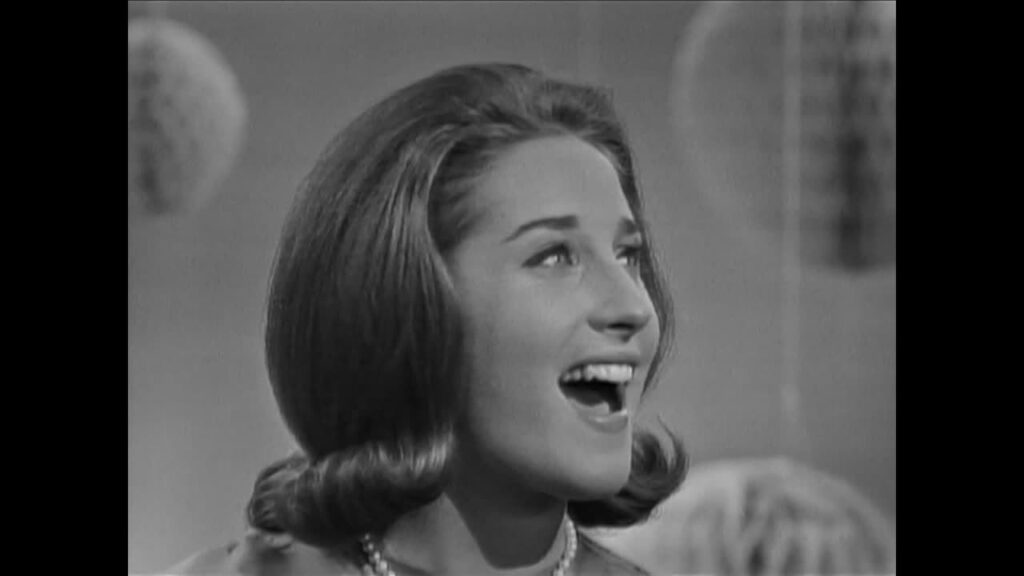
A quintessential anthem of teenage heartbreak and the dramatic injustice of unexpected betrayal at a celebratory moment.
“It’s My Party”, Lesley Gore’s signature smash hit, perfectly captured the raw emotions and heightened drama of teenage life upon its release in 1963. Soaring to number one on the Billboard Hot 100, this undeniably catchy tune became an instant classic, its relatable tale of birthday heartbreak resonating with young audiences navigating the often-turbulent waters of first love and social dynamics. With its infectious melody and Gore’s powerfully emotive vocals, “It’s My Party” remains a timeless portrayal of the devastating sting of betrayal at a moment meant for joy.
The story behind “It’s My Party” is a quintessential teenage melodrama set against the backdrop of a seemingly innocent birthday celebration. Written by John Gluck Jr., Wally Gold, and Herb Wiener, the lyrics tell a simple yet devastating story: the narrator is eagerly anticipating her birthday party, especially hoping that Johnny, the boy she likes, will be there. However, her joy is shattered when Johnny arrives with Judy, another girl, leaving the narrator feeling humiliated and heartbroken on what should have been her special day. The song’s narrative, though specific, tapped into the universal anxieties of teenage relationships, the fear of rejection, and the sting of public embarrassment.
The meaning of “It’s My Party” is a potent and relatable exploration of the intense emotions associated with first heartbreak, particularly within the social context of teenage gatherings. The lyrics perfectly capture the crushing disappointment of unrequited love and the added humiliation of being publicly slighted. The anticipation and excitement of the party are sharply contrasted with the sudden and unexpected arrival of the romantic rival, turning a moment of potential joy into one of profound sadness and social awkwardness. The repeated refrain, “It’s my party, and I’ll cry if I want to,” becomes an iconic expression of teenage angst and the right to feel one’s emotions, even if they seem overly dramatic to the adult world. The song resonates with the feeling of injustice when a cherished moment is unexpectedly ruined by the actions of another.
Musically, “It’s My Party” is a perfect example of early 1960s pop, characterized by its infectious melody, driving beat, and Lesley Gore’s powerful and emotionally charged vocals. The prominent use of the saxophone adds a distinctive and slightly dramatic flair to the arrangement, underscoring the emotional turmoil of the lyrics. The backing vocals, often providing a chorus of sympathetic support, amplify the narrator’s sense of betrayal and heartbreak. The song’s relatively simple structure and direct delivery contribute to its immediate impact and its enduring singalong appeal.
For those who remember the early 1960s and the rise of Lesley Gore, “It’s My Party” was an anthem that perfectly captured the emotional rollercoaster of adolescence. It resonated with the intense feelings of first crushes, social anxieties, and the dramatic highs and lows of teenage relationships. The song’s enduring popularity lies in its timeless portrayal of heartbreak at a time when emotions feel particularly raw and significant. Even today, “It’s My Party” remains a beloved classic, a nostalgic reminder of the dramatic landscape of teenage life and the universal experience of having a special moment unexpectedly overshadowed by the sting of romantic disappointment.
 Great Songs