
A Heartfelt and Cinematic Portrait of a Relationship in Crisis, a Sprawling Musical Journey Through Love and Disillusionment.
In the turbulent year of 1970, the musical world was a stage for great departures and even greater declarations of independence. For Dave Mason, a founding member of the legendary band Traffic, this year was marked by a final, decisive step away from the group and into his own spotlight. The result was his debut solo album, Alone Together, a defiant and bold statement that announced his arrival as a singular, powerful artistic force. The album itself was a visual and auditory masterpiece, famously pressed on unique marble-patterned vinyl. While it wasn’t a chart-topping behemoth, it was a critical success, peaking at number 36 on the Billboard 200 and carving out a respected place in rock history. At its very heart, acting as its emotional core and a testament to his compositional ambition, was a sprawling, nine-minute track that was never a single: “Look At You Look At Me.” Its power lies not in chart position, but in its raw, unfiltered emotional drama.
The story behind “Look At You Look At Me” is a painful, personal narrative of a relationship on the brink. The drama is an intimate, private battle made public through song. The title itself is a cinematic command, a moment of painful, direct confrontation. It speaks to a moment of mutual recognition of a love that is failing, where two people, once so connected, are now staring at each other from opposite sides of a chasm. The song is a raw, emotional monologue, a vulnerable confession of the complexities and exhaustion that can wear away at a bond. It speaks to the unspoken tensions, the painful self-awareness, and the silent frustration that can exist between two people who once loved each other deeply. It’s a song about the realization that you cannot fix something that is fundamentally broken, a tragic truth laid bare for all to hear.
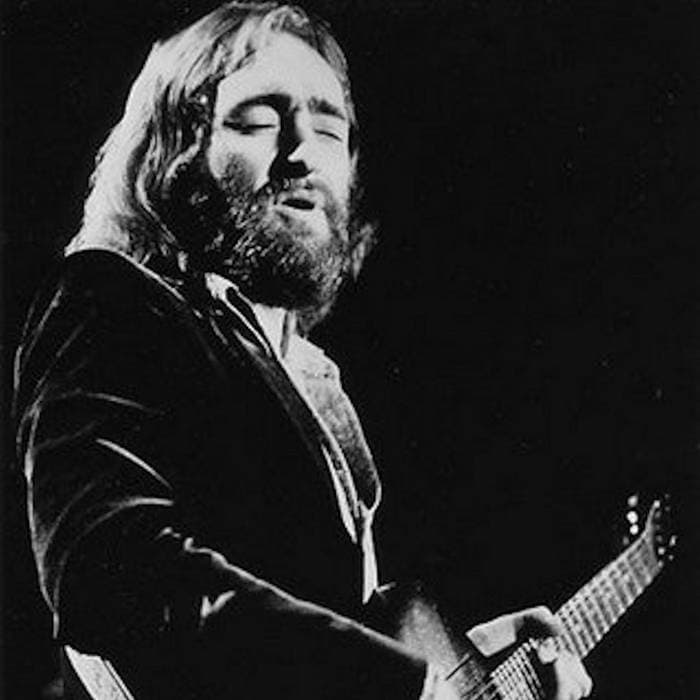
The true genius of “Look At You Look At Me” lies in how the music itself tells this dramatic story. The song is structured as a multi-part suite, a musical journey that mirrors the emotional arc of its lyrical narrative. It begins with a hushed, contemplative acoustic guitar and a gentle vocal, a quiet moment of reflection before the emotional storm. Then, the song builds, gaining intensity with a powerful, electric guitar-driven section. The guitar work of Dave Mason is not just melodic; it’s an emotional extension of the lyrics, soaring and weeping with a raw, honest energy that conveys his internal struggle. The song’s climactic, free-form jam is a powerful, almost chaotic representation of the emotional turmoil and confusion of the moment, a sonic maelstrom that feels like a cathartic release. The music then resolves into a more resigned and melancholic conclusion, suggesting that while the emotional tempest has passed, the pain remains.
For those of us who came of age with this music, “Look At You Look At Me” is more than just a song; it’s a testament to Dave Mason’s songwriting and instrumental brilliance. It’s a nostalgic reminder of a time when albums were immersive, emotionally complex experiences, designed to be listened to from start to finish. It speaks to the universal experience of love, conflict, and the painful journey of finding your own way. The song endures because the emotion it portrays is timeless and universal, a beautifully raw and profoundly emotional piece of rock history that continues to resonate with its cinematic drama.