
Larry Carlton Reflects on Relearning a Timeless Steely Dan Guitar Solo After 35 Years
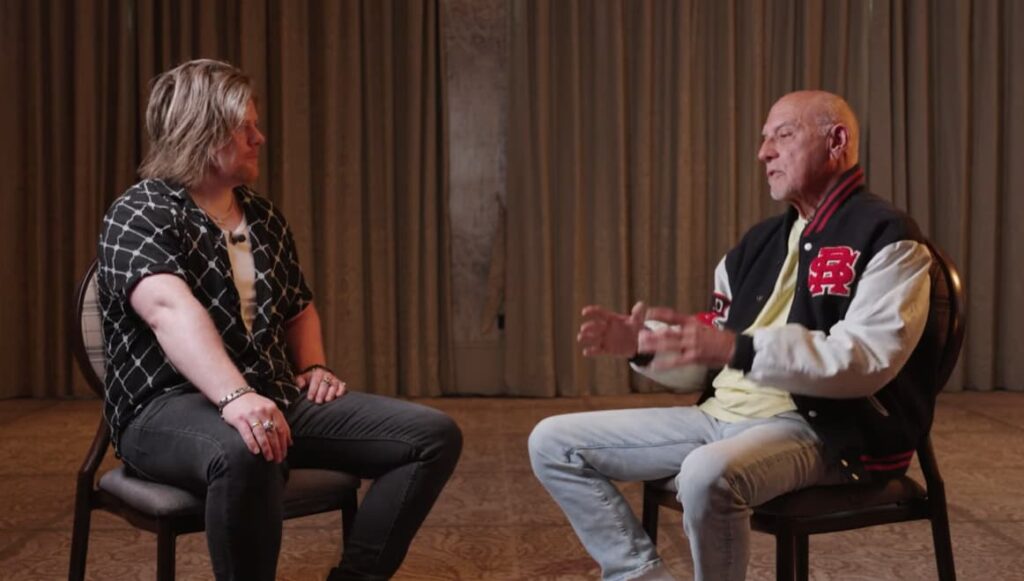
In a recent live interview marking several major career anniversaries, legendary guitarist Larry Carlton offered rare insight into the making, the rediscovery, and the enduring impact of one of the most celebrated guitar solos in rock history. As 2026 marks fifty years since Carlton first collaborated with Steely Dan, the conversation provided a thoughtful look back at a moment that continues to resonate across generations of musicians and listeners.
Carlton recalled that when he entered the studio to record with Steely Dan in the mid 1970s, there was no sense that history was being made. Like most session musicians, he approached the work with professionalism rather than expectation. His focus, he explained, was simply to play as well as he could on that particular day. The idea that a short guitar solo recorded under such circumstances would still be discussed nearly half a century later never crossed his mind.
That realization came much later, when The Royal Scam received critical acclaim upon its release. Carlton remembered reading a glowing review in Billboard that singled out the guitar solo on Kid Charlemagne. At the time, he had not even heard the final album, nor could he remember what he had played during the session. When he finally listened back, his reaction was strikingly modest. To him, the solo did not sound extraordinary. It simply sounded like himself.
The discussion took a more personal turn as Carlton described reuniting with Steely Dan for live performances decades later. Having not played those intricate parts for over thirty years, he faced a difficult choice. He could reinterpret the solo with the perspective of experience, or he could relearn it exactly as recorded. Encouraged by fellow musicians, Carlton committed to mastering the original solo note for note, effectively becoming a student of his younger self.
That decision paid off during a celebrated run of shows at the Beacon Theater, where Kid Charlemagne opened the set and audiences immediately recognized the iconic solo. Carlton successfully delivered it night after night, demonstrating that preparation and respect for the music could bridge decades of distance.
However, the interview also highlighted the vulnerability of live performance. During a later show in Los Angeles, Carlton admitted he did not execute the solo perfectly, a moment that was promptly noted by local critics. Rather than deflecting the criticism, he accepted it with candor, reinforcing his belief that once a performance is finished, there is nothing to be done but move forward.
Ultimately, the live conversation presented Larry Carlton not as an untouchable legend, but as a working musician shaped by humility, discipline, and an enduring love for the craft. His reflections served as a reminder that iconic music often emerges not from grand intention, but from honest work and unplanned moments of inspiration.