Jackson Browne Running On Empty at No Nukes A Defining Live Moment in 1979
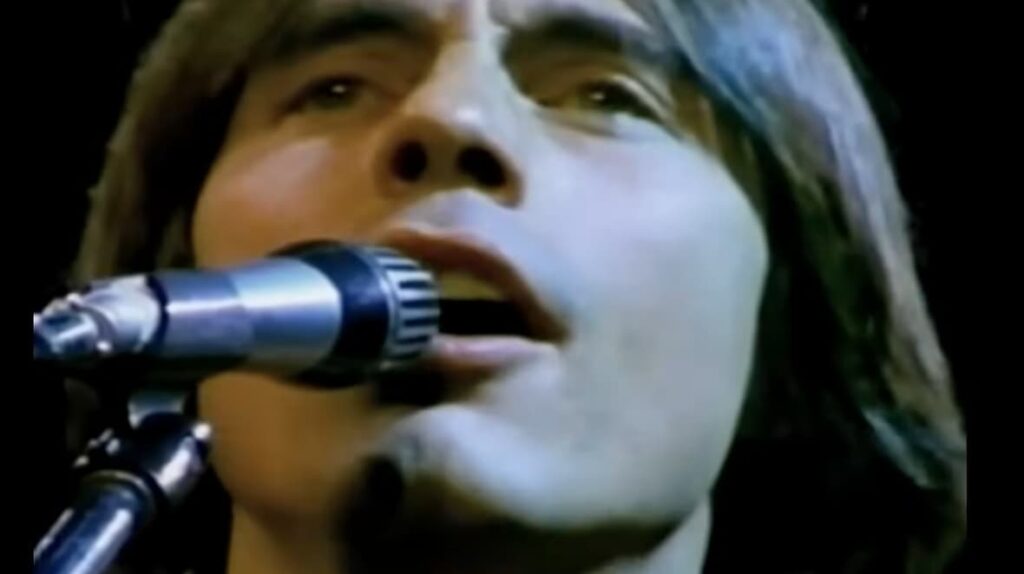
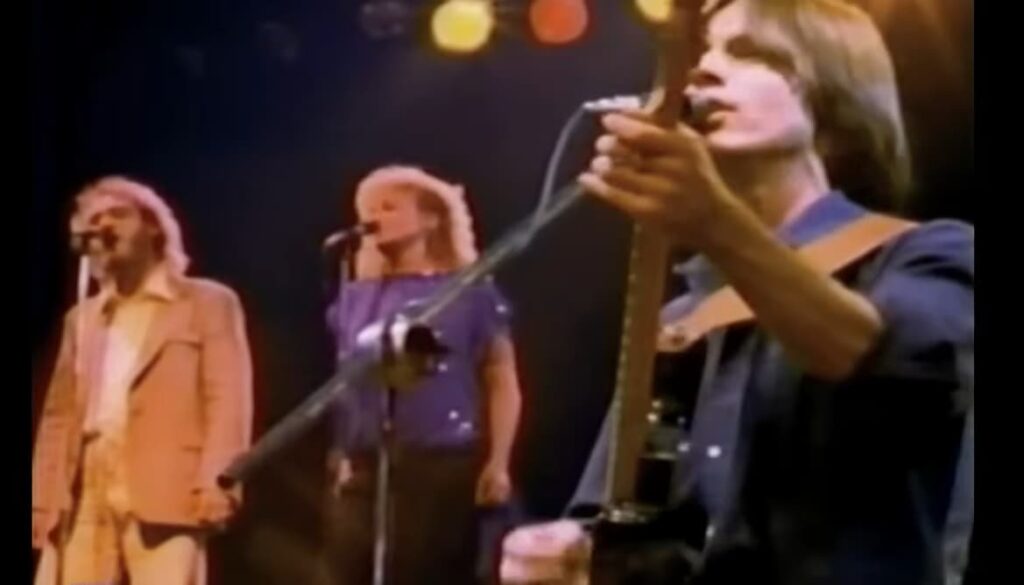
The live performance of Running On Empty by Jackson Browne at Madison Square Garden in 1979 remains one of the most iconic representations of his work during a period when rock concerts were also platforms for social engagement. Filmed for the No Nukes: The Muse Concerts for a Non-Nuclear Future series, this appearance captured Browne not only as a compelling songwriter and performer, but also as an artist deeply involved in the cultural currents of his time.
Running On Empty is both the title track and the heart of Browne’s 1977 album of the same name. The studio version was recorded live during Browne’s tour that year and became one of his most successful singles, reaching number eleven on the US Billboard Hot 100 in 1978 and spending seventeen weeks on the chart. The song’s enduring popularity led Rolling Stone to rank it among the five hundred greatest songs of all time, a testament to its musical and lyrical impact.
The Madison Square Garden performance came as part of the No Nukes concerts in September nineteen seventy nine. Organized by Musicians United for Safe Energy, the concerts brought together leading rock artists including Graham Nash, Bonnie Raitt, and Bruce Springsteen in support of anti-nuclear advocacy. The collective event was documented on a triple live album, and the show itself became a cultural touchpoint for artists using their platforms to address pressing social issues.
What sets this performance apart from typical concert recordings is the confluence of artistic expression and political context. Browne’s Running On Empty is a song about life on the road, driven by a propulsive piano-led backbeat and characterized by vivid imagery of constant travel and emotional exhaustion. The lyrics—reflecting both physical and metaphorical motion—speak to themes of perseverance, weariness, and resilience that resonated deeply with audiences in a moment of broader cultural and political reflection.
Onstage at Madison Square Garden, Browne’s delivery retained that narrative strength. Supported by his band, including longtime collaborators such as David Lindley and Russ Kunkel, the performance balanced rock intensity with introspective songwriting. The energy of the live environment added urgency to a song already rooted in movement and momentum, making the live version especially compelling.
Decades later, this performance continues to be shared and appreciated by audiences for both its musical power and its historical significance. It remains a vivid reminder of Browne’s ability to blend personal storytelling with broader cultural engagement, and of the powerful role that live music can play in capturing both the spirit of a song and the spirit of a moment.
Video: