
Inside the Steely Dan Recording Sessions Musicians Recall Precision, Pressure, and Creative Trust
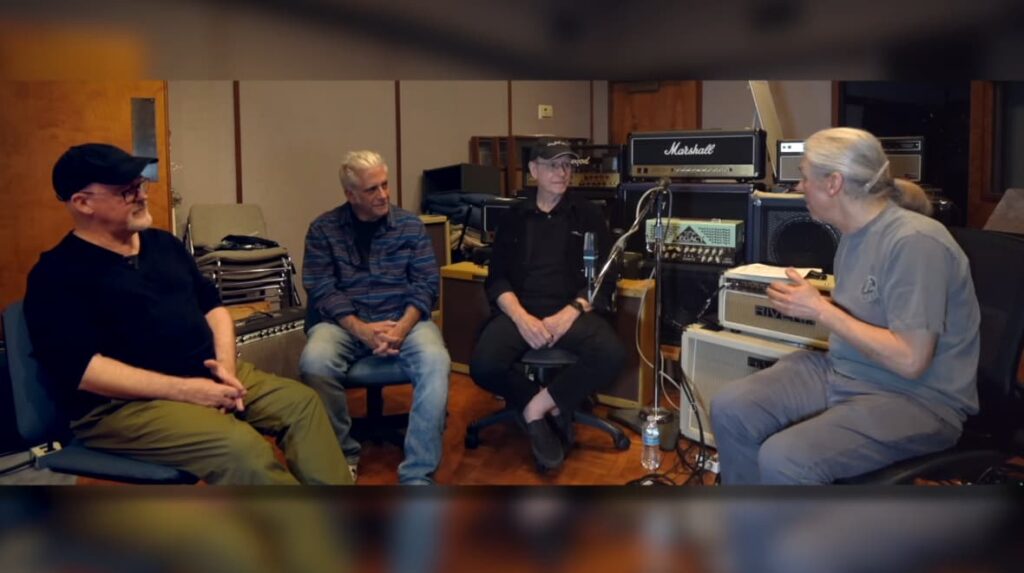
The episode titled Recording With Steely Dan In Their Own Words offers a rare and valuable insight into the working methods behind some of the most respected recordings in American popular music. Featuring firsthand accounts from Larry Carlton, Steve Gadd, Chuck Rainey, Bernard Purdie, Jay Graydon, and Dean Parks, the discussion focuses on how Steely Dan recordings were built in the studio and why they continue to resonate decades later.
At the center of many stories is the recording of Kid Charlemagne from the album The Royal Scam, released in nineteen seventy six. Larry Carlton recalls the night he recorded the guitar solo, describing it as a focused overdub session with Donald Fagen and Walter Becker closely involved. Carlton emphasizes that there was no sense of trying to create something historic. He simply played the best he could in the moment. Only years later did he fully grasp how deeply the solo had connected with listeners and musicians alike.
What emerges clearly from these accounts is the discipline of Steely Dan sessions. Songs were thoroughly rehearsed before tape rolled. Charts were detailed and often extensive, sometimes stretching across several pages. Musicians describe spending far more time refining parts than actually recording them, with only a handful of takes needed once the vision was clear. This approach challenged even top session players, but it also created an environment where every detail mattered.
Drummers and bassists speak about the importance of feel and timing in these recordings. Chuck Rainey and Bernard Purdie explain how groove was shaped not only by notes on the page, but by subtle choices in placement and touch. Steve Gadd is remembered for his precise sense of time, often working to a click track, while still sounding organic and expressive. These performances were not mechanical. They were deeply musical, despite the technical demands.
Another key theme is communication. Steely Dan’s music often shifted direction unexpectedly, moving into sections that felt deliberately unconventional. Some musicians admit this could be confusing at first. Yet Donald Fagen and Walter Becker were clear about what they wanted, even if it took many hours or multiple sessions to achieve it. The goal was always cohesion and character, not flash.
Taken together, these recollections paint a portrait of Steely Dan as exacting but respectful collaborators. They hired musicians for their individual voices and trusted them once the framework was in place. This episode stands as an important oral history, preserving the memories of the players who helped shape recordings that remain benchmarks of studio craft and musical intelligence.