
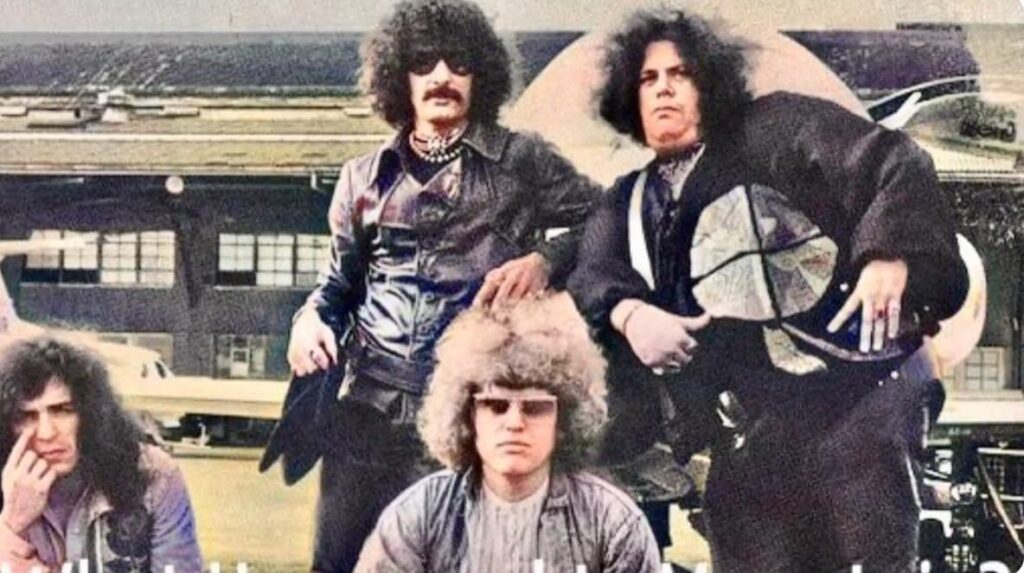
From Woodstock Thunder to Hard Rock Legacy: What Happened to Mountain?
The rise of Mountain remains one of the most compelling arcs in early American hard rock. Formed in 1969 by guitarist and vocalist Leslie West, the band emerged from the shifting landscape of late 1960s blues rock with a heavier, more forceful sound. West, formerly of the Long Island R and B group The Vagrants, sought a tougher musical direction inspired in part by Cream and the guitar approach of Eric Clapton.
Producer and bassist Felix Pappalardi, known for his work with Cream, became central to Mountain’s formation. Although he declined to produce early trio demos, he agreed to play bass on West’s 1969 solo album Mountain, which effectively laid the foundation for the band. With drummer Corky Laing and keyboardist Steve Knight joining West and Pappalardi, the group adopted the name Mountain and quickly moved onto the live circuit.
Their third performance as a working band took place at the landmark Woodstock festival in Bethel, New York in August 1969. While Mountain did not appear on the first Woodstock soundtrack album, their performances of Theme for an Imaginary Western and Blood of the Sun were later included on Woodstock 2. The exposure positioned them as a formidable live act during a period dominated by British blues influences and expanding American hard rock.
In March 1970, Mountain released Climbing, featuring the track Mississippi Queen. The song peaked at number 21 on the Billboard Hot 100 and became the band’s defining anthem. Its thick guitar tone and direct structure helped shape early heavy rock. The track later appeared in the 1971 film Vanishing Point, reinforcing its cultural footprint.
A follow up album, Nantucket Sleighride, reached number 16 on the Billboard 200 in early 1971. Though it did not produce a major hit single in the United Kingdom, the title track gained additional recognition as the theme for the ITV program Weekend World. Later in 1971, the band released Flowers of Evil, combining studio material with live recordings from the Fillmore East in New York.
Despite critical respect, commercial momentum proved difficult to sustain. Mountain disbanded in February 1972 following internal strain, drug abuse issues, and Pappalardi’s growing hearing problems. A live album titled Mountain Live The Road Goes Ever On was issued shortly afterward.
Reunions followed throughout the 1970s and 1980s, including collaborations between West, Laing, and former Cream bassist Jack Bruce. In 1985 the band performed at the Knebworth Festival alongside major rock acts. Their music also found renewed life through sampling, most notably when Beastie Boys used a portion of Mississippi Queen on their 1989 album Paul’s Boutique.
Tragedy struck in 1983 when Pappalardi was fatally shot by his wife, ending one of rock’s most distinctive producer musician partnerships. West continued performing despite severe health setbacks, including the amputation of his lower right leg in 2011 due to diabetes complications. He remained active until his death from cardiac arrest on December 22, 2020 at age seventy five.
Mountain never fully regained their early 1970s commercial peak, yet their influence endured. Their dense guitar tone, blues foundation, and concise songwriting helped bridge the gap between late 1960s blues rock and the emerging heavy metal movement. What happened to Mountain is not a story of disappearance but of transformation, resilience, and a lasting imprint on American hard rock history.