
Simple Riffs, Lasting Power: Ronnie Montrose Reflects on Tone, Inspiration, and the Roots of Hard Rock
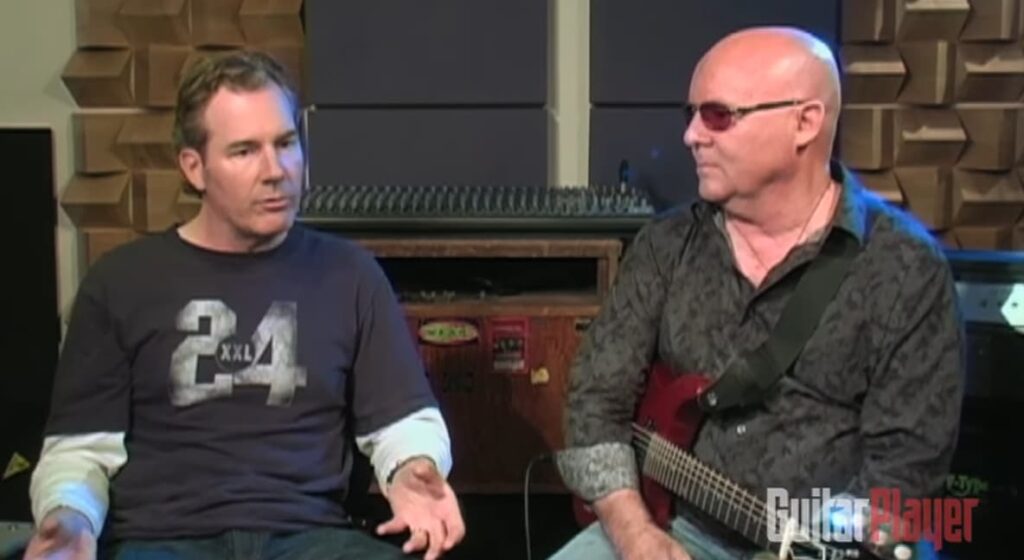
In July 2011, the offices of Guitar Player hosted a revealing conversation with legendary guitarist Ronnie Montrose. The interview, later presented as a GP Classic feature, captured Montrose during one of the final in depth discussions of his career. Calm, direct, and often humorous, the guitarist reflected on the origins of his tone, the spontaneity of riff writing, and the philosophy that guided his playing throughout decades of rock music.
Many listeners first encountered Montrose through the band that carried his name, Montrose, whose 1973 debut album became a cornerstone of early hard rock. Yet the guitarist’s path into the spotlight began earlier. In the interview he recalled his work with Van Morrison, particularly during the sessions surrounding the song Wild Night. Montrose described how a guitar figure he casually played during rehearsal caught Morrison’s attention and eventually became part of the final recording. The moment illustrated a theme that would appear repeatedly in his reflections. Many great riffs, he explained, are not carefully engineered but discovered almost by accident.
His reputation grew further when he joined the band of Edgar Winter. With Winter he contributed to several widely recognized tracks including Free Ride and Frankenstein from the album They Only Come Out at Night. Those recordings introduced listeners to Montrose’s unusually large guitar tone for the period, a sound that would later influence generations of hard rock players.
One of the most fascinating parts of the interview centered on how that powerful tone was actually created. Contrary to popular belief, Montrose explained that he did not rely on towering stacks of amplifiers. During the recording of the first Montrose album he used a modest Fender Bandmaster rated at about forty watts and equipped with Jensen ten inch speakers. Running the amplifier at full volume produced the aggressive sound that many guitarists assumed required far more elaborate equipment.
Montrose also spoke about the spontaneous creation of several famous riffs. The driving idea behind Rock Candy, for example, emerged during rehearsal when drummer Denny Carmassi was playing a rhythm inspired by When the Levee Breaks. Montrose recorded the riff on a small cassette recorder, a decision he later said was crucial. Without that recording the idea might have been forgotten the next day.
Throughout the conversation he returned to a guiding principle that shaped his playing. Great guitar parts, he argued, do not need to be complicated. By following what he called the path of least resistance, a guitarist can create riffs that are simple, memorable, and powerful. That philosophy helped define the sound of the Montrose debut and influenced later players including Eddie Van Halen, who once told Montrose that the record inspired him to pursue a similarly powerful guitar tone.
Looking back, the 2011 interview stands as an insightful document of Montrose’s musical thinking. It reveals a guitarist who valued instinct over complexity and who believed that the strongest ideas often appear in the most unexpected moments. In the history of hard rock guitar, that philosophy left a lasting mark.