When Rock Stepped Into Tanglewood: Chicago’s Fearless Leap Into the Unknown (1970)
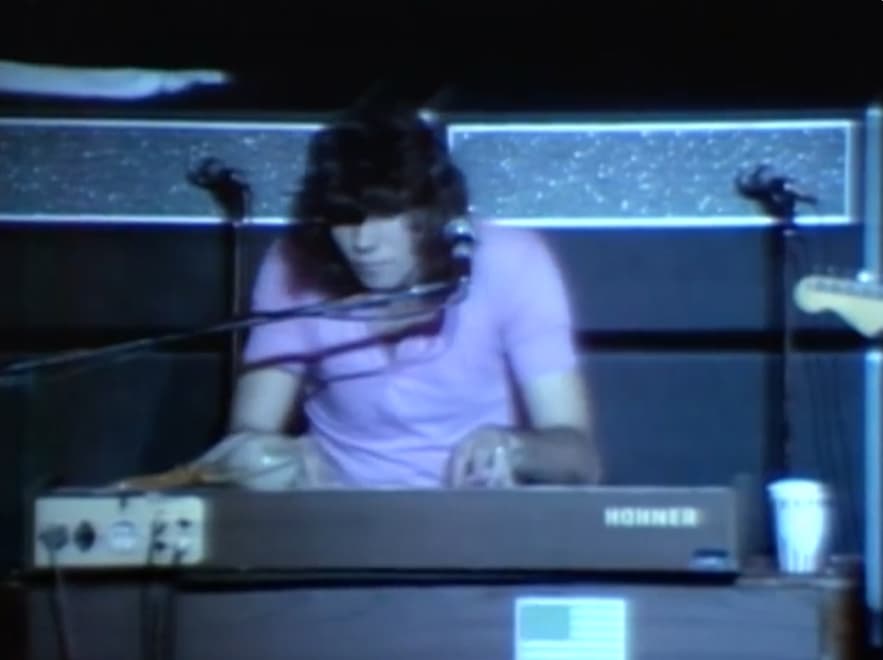
On a summer evening in 1970 at Tanglewood, Chicago delivered a moment that felt less like a concert segment and more like a statement of intent. “Free Form Piano” was not designed to please the crowd in the conventional sense. It existed to challenge expectations, and in doing so, revealed the band at its most daring.
The setting alone carried symbolic weight. Tanglewood, long associated with classical prestige, was an unusual stage for a young rock band still defining its identity. Yet Chicago did not adapt to the venue. Instead, they reshaped it. By introducing an improvisational, structureless piano piece into their set, they effectively blurred the boundaries between rock, jazz, and avant-garde performance.
The piano enters without announcement, almost like a thought unfolding in real time. There is no fixed melody to anchor the listener, no chorus to return to. Instead, the piece evolves organically, drawing in other instruments as if the band were collectively navigating uncharted territory. This is not just musicianship. It is communication at a high level, where listening becomes as important as playing.
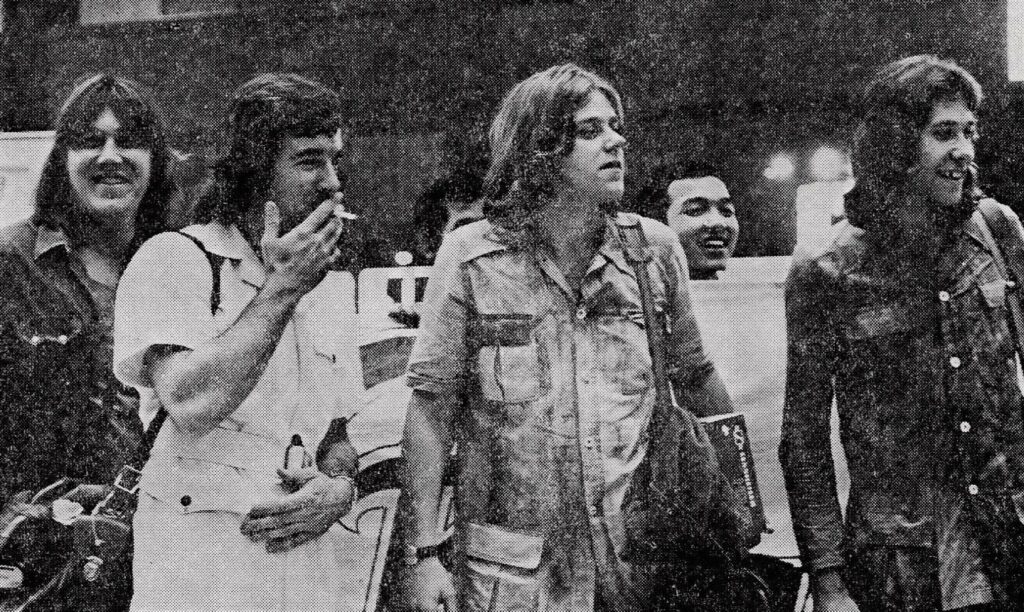
There is also an unmistakable historical resonance. This was Chicago in its earliest, most experimental phase, still closely tied to its jazz roots and unafraid of risk. Long before their later commercial success would bring a more polished sound, performances like this showed a band willing to sacrifice accessibility in favor of artistic exploration.
In retrospect, “Free Form Piano” may not be the piece that defined Chicago for the mainstream audience. But it is arguably one of the purest expressions of who they were at that moment. A band standing at the crossroads of genres, choosing not the safer road, but the one that allowed them to discover just how far their music could go.
Video: