
When Time Gave New Meaning to a Familiar Voice
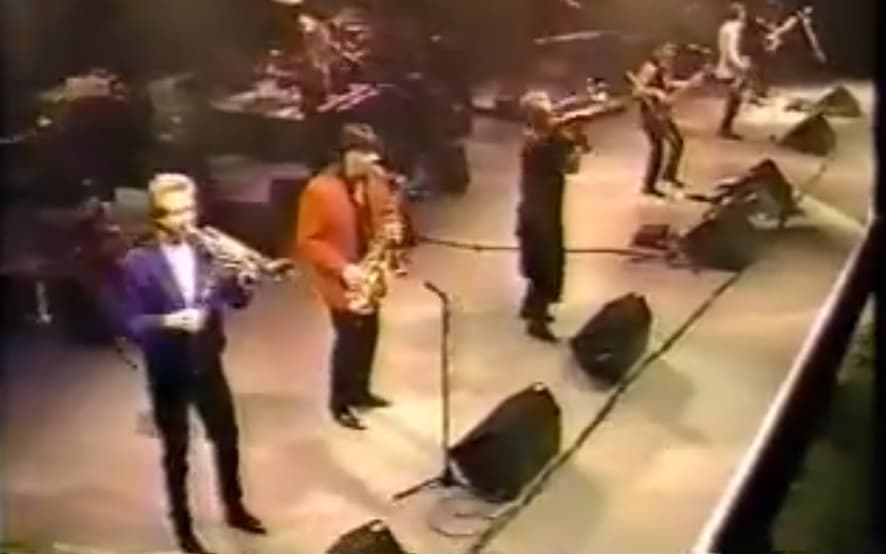
On the evening of February 12, 1993, in Tokyo, Chicago delivered a performance of “Alive Again” that quietly transformed a well known studio track into something far more profound. What began in 1978 as a composition on Hot Streets returned on stage with renewed depth, shaped by time, experience, and a different generation of musicians within the same band.
Written by trombonist James Pankow, the song has always carried an undercurrent of resilience. Yet in this Tokyo performance, that theme feels less like intention and more like lived reality. By the early 1990s, Chicago had already navigated major stylistic shifts and lineup changes. The band that stood on stage that night was not the same group that first recorded the track, and that difference became the performance’s greatest strength.
From the opening bars, the horn section establishes a sense of continuity. It is a signature sound that anchors the band’s identity regardless of changing trends. However, as the vocals enter, the listener immediately senses a subtle evolution. The delivery is more measured, less urgent than the original recording, yet it carries a weight that only years of performance can provide. The song no longer feels like a declaration. It feels like confirmation.
The setting also plays a crucial role. Tokyo audiences have long been known for their attentiveness and deep appreciation of musicianship. That atmosphere allows the performance to breathe. Rather than overwhelming the moment with spectacle, the band leans into precision and cohesion. Each section interacts with clarity, especially during the song’s climactic passages, where brass and rhythm merge into a unified force.
What makes this rendition particularly compelling is the alignment between message and moment. “Alive Again” speaks of renewal, and here it is embodied by a band that has endured the pressures of changing eras while maintaining its core identity. The presence of newer members does not dilute the original spirit. Instead, it extends it, proving that continuity in music does not require sameness.
In retrospect, this Tokyo performance stands as more than a live interpretation. It is a document of artistic survival. Through subtle shifts in tone and structure, Chicago demonstrates that a song can evolve alongside those who perform it. “Alive Again” in 1993 is not simply revisited. It is rediscovered.