
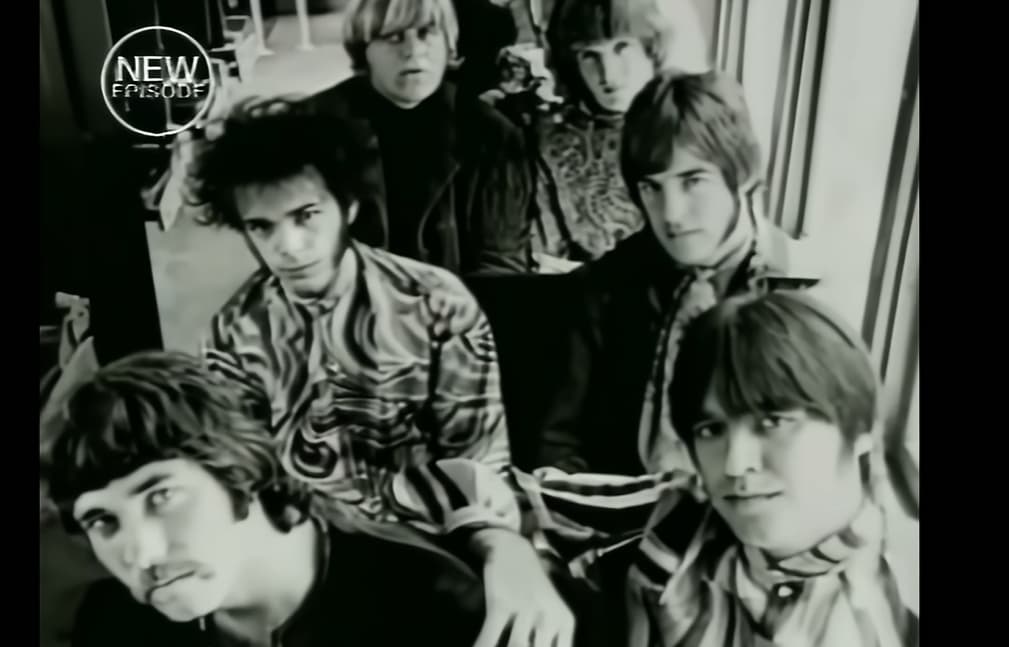
Chicago on Film: A 2000 Television Documentary Captures the Evolution of an American Rock Institution
A television documentary first aired in 2000 continues to attract renewed attention among music audiences, offering a detailed retrospective of Chicago and its development across more than three decades. The program compiles archival footage, interviews, and performance excerpts to present a structured account of one of the most commercially successful and stylistically distinctive bands in American rock history.
The documentary places particular emphasis on the group’s formative years, highlighting contributions from original members such as Terry Kath, Peter Cetera, and Robert Lamm. Through interview segments and historical clips, viewers are introduced to the band’s early fusion of rock instrumentation with a prominent brass section, a defining characteristic that set Chicago apart from its contemporaries in the late 1960s and 1970s.
In addition to its focus on the founding lineup, the film extends its scope to cover the band’s later evolution up to the year 2000. It incorporates perspectives from subsequent members including Jason Scheff and Bill Champlin, illustrating how Chicago adapted to changing musical trends while maintaining its core identity. This dual perspective allows the documentary to function both as a historical archive and as a reflection on continuity within a long running ensemble.
Industry insight also plays a significant role in the narrative. Contributions from figures such as Clive Davis and James William Guercio provide context regarding the band’s commercial trajectory and production approach. Their commentary helps frame Chicago’s rise within the broader landscape of the recording industry, particularly during a period when album oriented rock and sophisticated studio arrangements were gaining prominence.
Technically, the documentary relies on a conventional format, combining voiceover narration with interview cuts and performance footage. While it does not introduce previously unknown material, its value lies in the way it consolidates multiple eras into a coherent timeline. The inclusion of candid reflections from band members offers insight into internal dynamics, creative decisions, and the challenges of sustaining longevity in a competitive industry.
More than two decades after its initial broadcast, the documentary remains a relevant resource for understanding Chicago’s enduring appeal. It captures not only the band’s musical innovations but also the adaptability that allowed it to remain active across generations. For viewers seeking a comprehensive overview grounded in firsthand accounts, this film stands as a concise yet informative chronicle of a group that continues to occupy a significant place in popular music history.