
From Midnight Special to Sky Arts: A Look Back at Neil Sedaka’s Amarillo Era
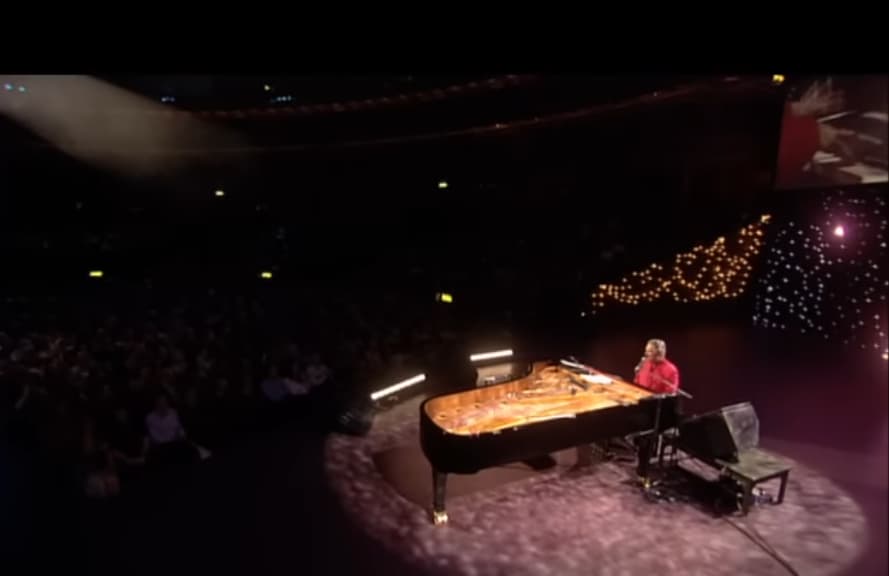
The performance of Neil Sedaka performing “Amarillo” from The Show Goes On continues to attract attention from classic pop and rock fans, especially those who appreciate the connection between songwriting and performance history. Viewers who recently rediscovered the clip, including broadcasts on Sky Arts, have described it as a memorable moment that highlights both musical craftsmanship and stage presence.
The performance is often noted for bringing together the idea of the songwriter and the performer within the same artistic space. In discussions around the clip, fans point out the significance of seeing Neil Sedaka involved with a song in a live setting, reinforcing his long standing role not only as a vocalist but also as a major figure in pop songwriting.
Historically, Sedaka’s appearance performing “Amarillo” is linked to his 1977 guest hosting role on the NBC television program Midnight Special. Around that time, the song had recently entered the Billboard Hot 100 chart, eventually peaking at number 44 and remaining on the chart for seven weeks. This period reflects a continued phase of commercial activity in Sedaka’s career during the 1970s, when he experienced a strong resurgence in popularity.
Across his career from 1959 to 1980, Neil Sedaka achieved significant chart success, with thirty entries on the Billboard Hot 100. Among these, nine reached the Top 10, and three songs reached number 1. These include “Breaking Up Is Hard to Do” in 1962, which held the top position for two weeks, “Laughter in the Rain” in 1975 for one week, and “Bad Blood” in 1975 for three weeks. These achievements place him among the most consistent hit makers of his era.
The “Amarillo” performance also reflects a broader appreciation for live television music during the 1970s. Programs like Midnight Special provided artists with a platform to present music in a more direct and performance focused format, often without the heavy production elements common in studio recordings. This allowed viewers to experience artists in a more immediate and authentic way.
Fans revisiting the clip today often describe it as a reminder of a different era of television music, where live performance played a central role in connecting artists with audiences. The collaboration of songwriting legacy and stage interpretation continues to be a point of interest for those studying or enjoying classic pop music history.
Neil Sedaka’s enduring presence in music culture is reinforced through performances like this, which continue to circulate among fans who value both the historical context and the emotional simplicity of his work.