
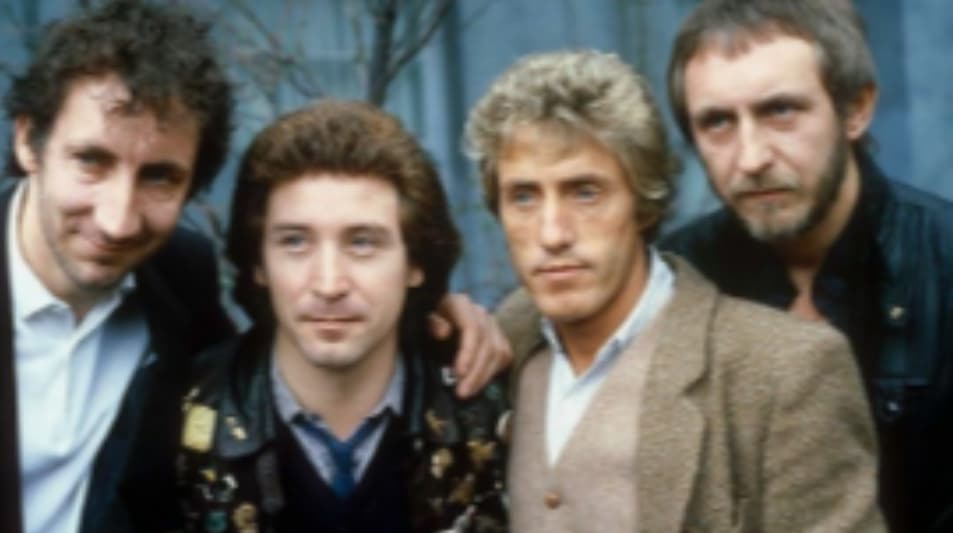
Inside The Who’s Explosive Rise During Rock’s Most Transformative Era
In the history of British rock music, few bands carried the same raw energy and cultural impact as The Who. Their live 1967 performance of “So Sad About Us” stands today as a remarkable snapshot of a band rapidly transforming from a successful Mod act into one of the defining forces of twentieth century rock music.
Formed in London in 1964, The Who emerged from an earlier group called the Detours. The classic lineup featured Roger Daltrey, Pete Townshend, John Entwistle, and Keith Moon. Together, they created a sound that blended aggressive rock instrumentation with sharp songwriting and unpredictable live performances.
By 1967, the group had already established itself through a string of successful singles including “My Generation,” “Substitute,” and “Happy Jack.” Their performances became legendary for their intensity, particularly Townshend’s windmill guitar style and the band’s habit of destroying instruments on stage. This theatrical approach helped define the rebellious spirit of the era and separated The Who from many of their contemporaries.
“So Sad About Us,” originally featured on the 1966 album A Quick One, revealed another side of the band. While The Who were often associated with explosive performances and youthful aggression, the song carried a more emotional and melodic tone. The lyrics explored heartbreak and emotional distance, while still maintaining the band’s powerful musical identity. In live performances from 1967, audiences could see the balance between vulnerability and force that would later become central to the band’s greatest works.
That same year proved pivotal for The Who. Their appearance at the Monterey Pop Festival introduced them to a wider American audience and helped cement their reputation as one of rock’s most exciting live acts. The band also released “I Can See for Miles,” which became one of their biggest American hits.
The years that followed elevated The Who into rock history. Albums such as Tommy and Who’s Next expanded the possibilities of rock music through ambitious storytelling and innovative production. Songs like “Pinball Wizard” and “Won’t Get Fooled Again” became defining anthems of their generation.
Looking back today, the 1967 live performance of “So Sad About Us” remains more than just a vintage concert clip. It captures a moment when four young musicians were reshaping the future of rock music in real time. Long before their legendary stadium years, The Who were already demonstrating the creativity, emotion, and explosive power that would influence countless artists for decades to come.