
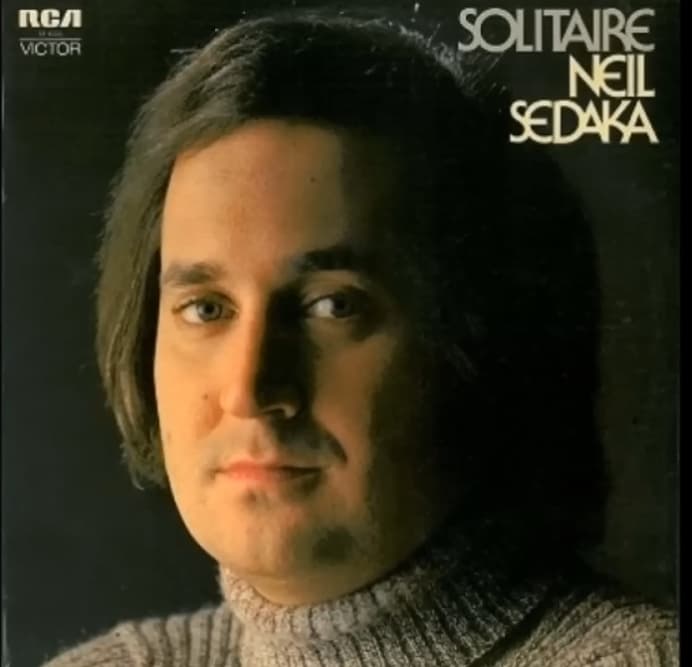
“Better Days Are Coming”: Neil Sedaka’s Quiet Message of Recovery in a Changing Music Era
In 1972, Neil Sedaka released “Better Days Are Coming,” a track that reflects a deeply personal moment in his career rather than a traditional narrative about place or storytelling. Music analysts often describe the song as a form of self reassurance, created during a period when Sedaka was rebuilding his presence in the global music industry.
After achieving major success in the early 1960s, Sedaka faced a significant decline in the American market following the British Invasion, when new bands from the United Kingdom reshaped popular music trends. As his visibility in the United States decreased, he shifted focus toward international audiences, particularly in Europe, where he found renewed appreciation and opportunities for collaboration.
“Better Days Are Coming” is often interpreted as a reflection of this transitional phase. Rather than telling a detailed story, the song carries a message of persistence and quiet optimism. It suggests a mindset of endurance during uncertainty, capturing the emotional state of an artist navigating changing industry conditions.
The recording stands out for its calm tone and hopeful lyrics, which many listeners connect to themes of recovery and personal resilience. Instead of relying on commercial pop formulas of his earlier years, Sedaka leaned into a more reflective style that aligned with his real life situation at the time.
Music historians frequently note that this period marked an important turning point in Sedaka’s career. While his popularity in the United States had diminished, his success in Europe helped sustain his work and eventually contributed to a broader comeback later in the decade.
“Better Days Are Coming” therefore holds a unique place in his catalog. It is not tied to a specific location or event, but rather to a mindset of rebuilding. It represents an artist speaking indirectly to himself as much as to his audience.
Looking back, the song is often seen as part of the foundation for Sedaka’s eventual return to international prominence. Its message remains simple but enduring, reflecting a moment when continuing forward was itself the most important statement an artist could make.