
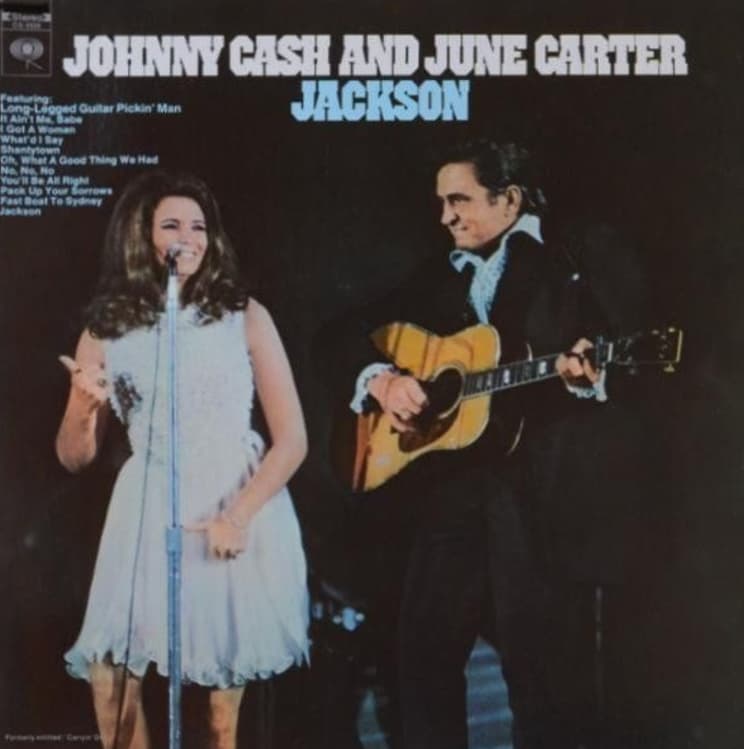
Johnny Cash and June Carter’s 1967 Performance of “Jackson” Still Captures One of Country Music’s Greatest Love Stories
More than half a century later, the 1967 performance of “Jackson” by Johnny Cash and June Carter continues to resonate with country music fans around the world. Performed on The Ralph Emery Show, the now legendary duet captured far more than two famous singers sharing a stage. It revealed the natural chemistry, humor, and emotional connection that would later define one of the most beloved relationships in music history.
From the first exchange of lyrics, the performance feels alive with energy. Johnny Cash delivers his deep, unmistakable voice with confidence, while June Carter answers with playful timing and charisma that perfectly balances the song’s fiery back and forth dynamic. Their interaction never appears forced. Instead, it feels spontaneous and genuine, which is one reason audiences continue to revisit the clip decades later.
At the time, Cash was already becoming one of the most recognizable voices in American music. June Carter came from the legendary Carter Family, one of the foundational groups of country music. Together, they created a partnership that extended far beyond the stage. Their relationship would eventually become one of the defining love stories in country music history.
Fans often point to performances like “Jackson” as proof that the bond between the two artists was real both on and off camera. In later years, Johnny Cash openly spoke about June’s importance in helping him through periods of addiction and personal struggles. Family members, including their son John Carter Cash and Cash’s daughter Rosanne Cash, have also shared stories about the deep loyalty and devotion that existed between them throughout their marriage.
Many admirers still reflect on the final years of their lives with emotion. Following June Carter Cash’s declining health in 2003, Johnny Cash remained constantly by her side. Accounts from family and close friends described him reading to her, praying for her, and continuing to speak to her even during her most difficult moments. After her passing, Cash’s grief became visible to those around him, and he died only months later.
Today, the “Jackson” performance stands as more than a classic television appearance. For many viewers, it represents a rare moment where music, humor, and genuine love existed together naturally in front of the camera. In an era increasingly shaped by carefully managed celebrity images, Johnny Cash and June Carter continue to remind audiences what authentic connection looked and sounded like.