
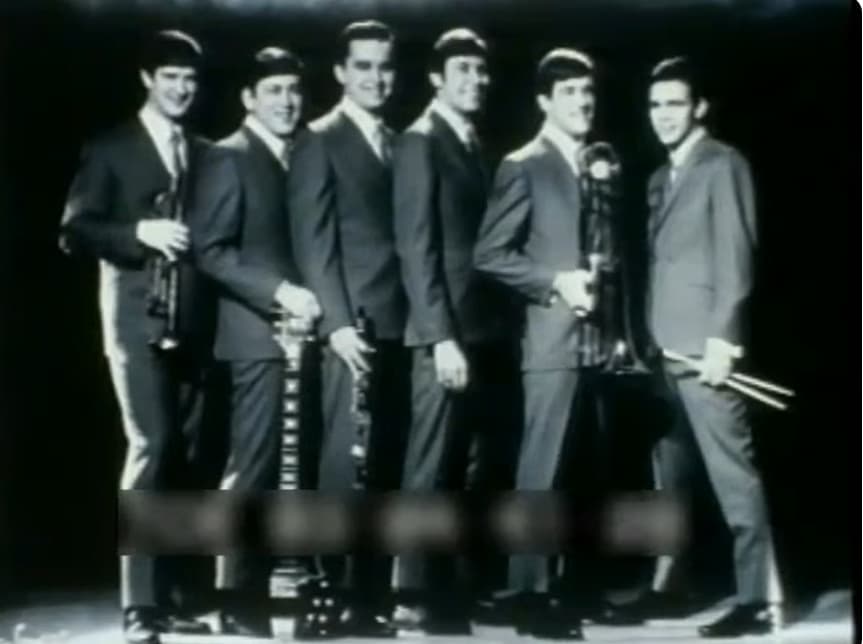
Inside the Genesis of Genius: Rare 1970 Documentary Artifact Captures the Raw Musician Journey of Chicago
The sprawling evolutionary history of popular music contains rare, monumental archival documents that strip away the shiny veneer of global commercial success to reveal the true unvarnished realities of artistic creation. Among the most valuable historic milestones in this narrative is a professionally significant 1970 documentary video featuring the original classic lineup of the legendary American supergroup Chicago. Captured during a pivotal transitional year just as their sophisticated jazz rock fusion was beginning to conquer the global public, this rare broadcast preserves the band members and their inner circle delivering an incredibly honest, deeply philosophical assessment of their human art, grueling road life, and the music industry.
What makes this 1970 archival artifact so exceptionally valuable to music purists and dedicated classic rock seekers is the profound intellectual depth of the commentary. The documentary highlights the band’s fiercely serious classical roots and symphonic approach to pop music, with members noting that if legendary composers like Johann Sebastian Bach or Ludwig van Beethoven were alive today, they would likely be writing for unique, honest ensembles like Chicago. Founding woodwind master Walt Parazaider shares the fascinating revelation that he passed up a prestigious assistant professorship in music at DePaul University to commit fully to the creative power of the seven piece group, prioritizing raw human expression over conservative academic institutions.
The true historical value of this 1970 archive lies in its honest, detailed look at the extreme physical hardships and hostile environments the band had to overcome during their early formative years. Long before transforming into a prolific hit making machine under the management of Jim Guercio, the musicians performed in standard Chicago lounges and bars under their original moniker, The Big Thing. The ensemble regularly endured terrible, dangerous jobs in venues controlled by organized crime figures, where violent crowd fights would frequently break out in the middle of a tune, forcing the musicians to quickly run to back rooms to escape flying chairs. This chaotic atmosphere severely stifled their collective chemistry and creative experimentation, eventually driving the group to relocate to Los Angeles, California, where they spent nine intensive months practicing eight hours every single day in a Hollywood house to finish six full albums of original material.
The raw footage also provides an intimate, unfiltered look at the extreme emotional toll of touring life in 1969 and 1970, a grueling schedule that saw the band playing over two hundred one nighters across different cities in a single year. Members openly discuss the deep sense of temporary displacement they felt on the road, the strain of long absences on their understanding wives, and the distinct cultural discomfort they experienced as long haired pop musicians traveling through the conservative American South, where terrified parents frequently viewed them as symbols of a threatening drug culture and a distorted value system. Furthermore, the band members offer a blunt, cynical critique of the music business as a highly corrupt and exceptionally dishonest industry designed to sell art occasionally while maximizing massive financial returns on small initial investments.
Operating in an era completely free from modern digital tracking or public relations filters, the band members also address the weird psychological phenomenon of being placed on a superhuman plane by fans, explaining their deep desire to simply be treated like normal human beings who breathe, eat, and enjoy regular life. They also share amusing, candid insights into the classic pop culture phenomenon of groupies, remembering a time before their debut album when those exact same status seeking individuals would completely split the moment the musicians identified themselves as part of the unknown Chicago Transit Authority. Ultimately, this rare 1970 documentary broadcast remains an essential masterpiece for global music preservationists, continuing to provide profound warmth, deep nostalgia, and lasting historical inspiration across generations of classic rock lovers worldwide.