
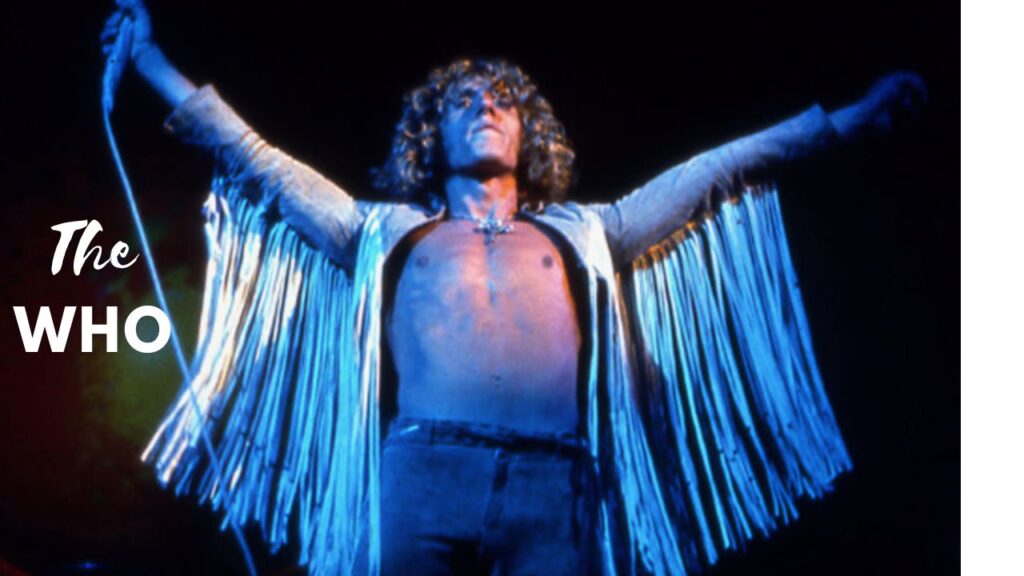
THE WHO AT WOODSTOCK 1969 A DEFINING MOMENT IN LIVE ROCK HISTORY THAT STILL ECHOES TODAY
Alternative headline The sunrise performance that turned chaos into legend
Alternative headline When The Who redefined live rock at Woodstock
The recently highlighted official footage of The Who’s performance at Woodstock 1969 continues to draw strong attention from music fans and historians, offering a powerful reminder of one of the most discussed live appearances in rock history. Captured during the early hours of August 16 turning into August 17, the set has long been remembered as both a technical challenge and a landmark cultural moment for the British band The Who.
The band was originally scheduled to perform as the second to last act on Saturday night. However, delays pushed their set into the early morning hours, with the performance beginning around five in the morning. By that time, the crowd and performers were already experiencing the physical and emotional exhaustion of a festival that had stretched far beyond expectations. Despite this, The Who delivered a full set built around their rock opera Tommy, one of the most ambitious works in modern rock music.
The performance featured the band’s classic lineup, including Roger Daltrey on vocals, Pete Townshend on guitar, John Entwistle on bass, and Keith Moon on drums. Together, they performed material largely written by Townshend, with the exception of Summertime Blues, originally by Eddie Cochran and Jerry Capehart. The set showcased the band’s ability to translate complex studio concepts into a live festival environment.
One of the most widely discussed moments from the performance is the incident involving activist Abbie Hoffman, who briefly entered the stage during the set. According to historical accounts, Hoffman attempted to speak into a microphone during a transition in the music before being removed from the stage by Townshend. The moment has since become one of the most controversial interactions in Woodstock history and is frequently referenced in discussions about the festival’s chaotic nature.
Despite the tension, the performance itself is often praised for its intensity and musicianship. Many viewers have described it as one of the most powerful live recordings of the era, noting the strong connection between the rhythm section and Townshend’s aggressive guitar work. The sunrise that occurred during the finale of the set has also become an iconic visual element, symbolizing both exhaustion and triumph.
Fans continue to reflect on the significance of this performance more than five decades later. Some recall discovering the footage for the first time and being struck by its raw energy. Others emphasize how rare it is that such historic live material was captured and preserved for future generations.
The Woodstock appearance of The Who remains a defining chapter in the band’s legacy and in the broader history of rock music, representing both the chaos and creativity that shaped an entire generation of sound and culture.