
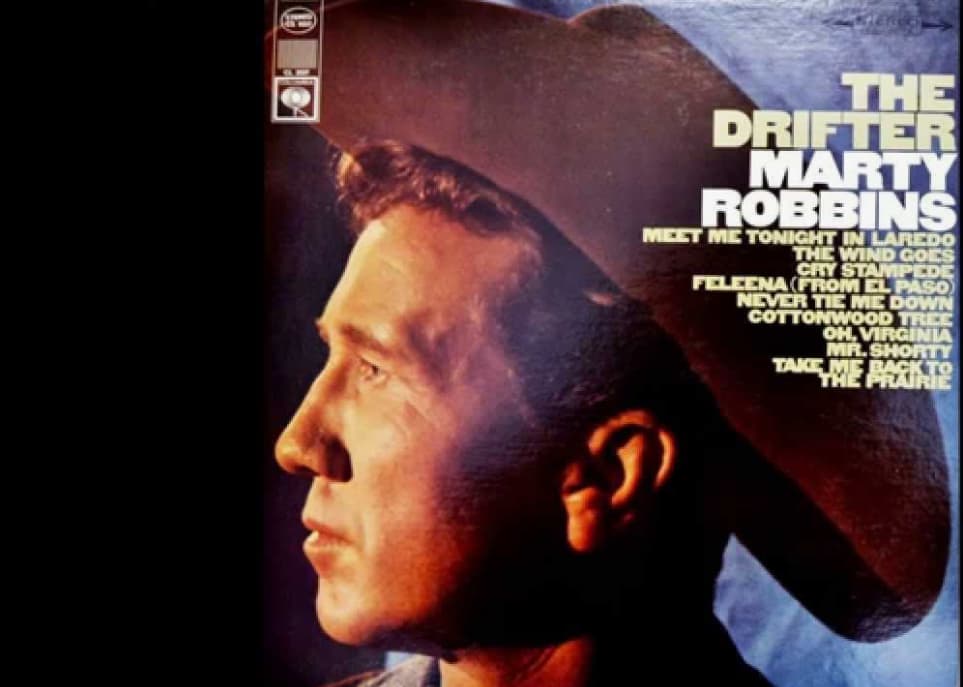
The Underrated Western Story That Still Fires the Imagination: Marty Robbins’ “Mr. Shorty”
Marty Robbins built his legacy on vivid storytelling, and “Mr. Shorty” stands as one of the clearest examples of his cinematic approach to country music. Though it never reached the same commercial recognition as some of his biggest hits, the song continues to be praised by listeners as one of his most powerful and underrated western narratives.
“Mr. Shorty” is part of Robbins’ celebrated gunfighter ballad tradition, where songs unfold like short films set in the American frontier. The track tells the story of a confrontation involving a seasoned gunman known as Shorty. The setting is classic Western territory, shaped by isolation, danger, and the constant tension between survival and morality.
Listeners often highlight how Robbins’ storytelling transforms a simple gunfight scenario into something far more atmospheric. Instead of focusing only on action, the song builds a vivid sense of place and character. Shorty is not portrayed as a one dimensional outlaw, but as a figure shaped by experience and the harsh realities of frontier life.
Fans frequently praise the way Robbins delivers the narrative with calm precision. His vocal style avoids excess dramatization, which makes the imagery feel more grounded and believable. This restrained approach allows the story to unfold naturally, drawing the listener deeper into the moment without distraction.
Many longtime listeners describe the writing as remarkably visual. One commonly shared impression among fans is the way Robbins paints scenes that feel almost cinematic in detail. The imagery of gunfire, smoke, and the intensity of a sudden confrontation has left a strong impression on audiences who appreciate classic country storytelling.
Comments from listeners also reflect a consistent sentiment that “Mr. Shorty” remains one of Robbins’ most underappreciated works. While it may not receive the same attention as “El Paso” or other major hits, fans often regard it as a personal favorite due to its storytelling strength and emotional weight.
The song continues to resonate with audiences who value traditional country music storytelling. It captures the essence of a fading era of Western mythmaking, where music served as both entertainment and oral history.
Decades later, “Mr. Shorty” still stands as a reminder of why Marty Robbins is widely regarded as one of the greatest narrative songwriters in country music history.