
A Breath of Transcendental Fire on Second Avenue: The Night the Allman Brothers Band Rewrote the Lexicon of American Music
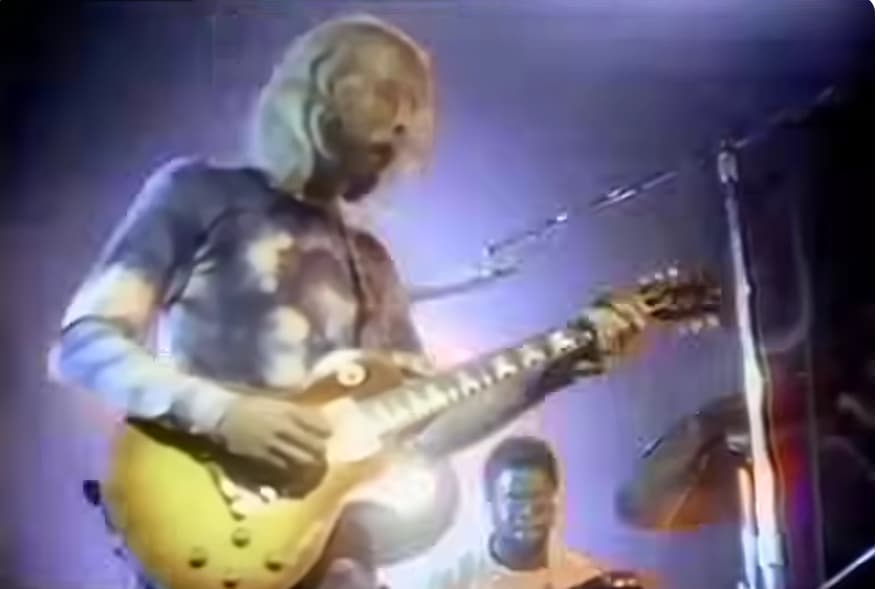
There are rare moments in the history of music where time seems to slow down, allowing a group of young musicians to capture lightning in a bottle and change the cultural landscape forever. On September 23, 1970, legendary promoter Bill Graham assembled a stellar roster of artists at the Fillmore East in New York City for a television special titled Welcome To The Fillmore East. Among the heavyweights filmed that night was a relatively new group from the American South that possessed an entirely unprecedented musical vision. This priceless archival footage preserves the original lineup of the Allman Brothers Band performing their psychedelic blues masterpiece, “Dreams,” delivering a display of raw human emotion that remains utterly spellbinding over five decades later.
What makes this early New York broadcast an absolute holy grail for classic rock seekers is the pure, unfiltered youth radiating from the stage. Recorded six full months before their definitive Live At Fillmore East double album, the band was still fueled by an uncorrupted, collective fire. The legendary lineup featured Gregg Allman on organ and vocals, the mythic Duane Allman on guitar, Dickey Betts on guitar, Berry Oakley on bass, alongside the dual percussion powerhouse of Butch Trucks and Jai Johanny Johanson, with their close friend Tom Doucette adding his soulful harp to the mix. Despite minor technical hurdles and a vocal microphone malfunction that left Gregg’s initial vocals barely audible, the sheer ferocity of their collective chemistry instantly conquered the room.
When the group slowed the tempo down to introduce “Dreams,” an absolute hush of spiritual intensity seemed to blanket the arena. The performance serves as a breathtaking showcase for Duane Allman’s legendary slide guitar work, which weeps and soars with a level of phrasing that borders on the miraculous. Seamlessly interwoven with Gregg’s deeply introspective, blues drenched vocals, the track highlights a sophisticated, jazz inflected improvisation that became a definitive cornerstone of their legacy. They successfully blended elements of country, rock, and soul into a gorgeous melting pot, establishing a relaxed yet propulsive groove that would eventually define the very fabric of Southern rock and the global jam band tradition.
For dedicated music preservationists, watching these young masters navigate the intricate structures of their set provides a profound sense of warmth and deep nostalgia. The evening reached further spectacular peaks with a telepathic dual guitar attack on “In Memory Of Elizabeth Reed” and a ferocious, compressed version of “Whipping Post” anchored by Oakley’s melodic bass playing. Operating in a golden era entirely free from modern digital tracking or studio filters, these veteran musicians relied solely on natural stamina and genuine creative honesty. Ultimately, this magnificent 1970 Fillmore East broadcast remains an indispensable triumph of American musical art, ensuring that the beautiful, haunting spirit of Duane and his brothers will continue to echo across generations of music lovers around the world.