
Between Silence and Return: Alan Lancaster Speaks During Status Quo’s Lost Years
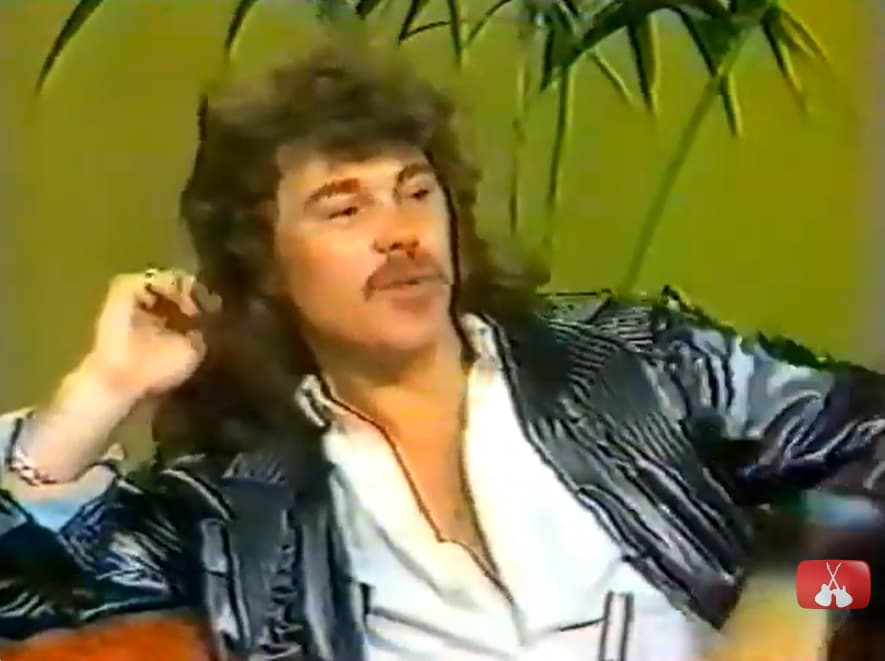
In 1980, at a time when Status Quo were strangely absent from the live circuit, bassist Alan Lancaster appeared on Australian television program After Dark and offered a rare, grounded look into a band that had quietly stepped away from the road.
For a group known for relentless touring throughout the 1970s, the absence was striking. Lancaster addressed it directly. What was intended as a short six month break had stretched into nearly two years. The reason was not a single dramatic event, but an accumulation of pressures both inside and outside the band. He acknowledged internal issues as well as external circumstances, including personal tragedy affecting guitarist Rick Parfitt, which had disrupted plans and delayed their return to live performance.
Lancaster’s tone throughout the interview is calm and matter of fact. He does not dramatize the situation. Instead, he describes the reality of constant touring, explaining how extended time away from home can take a psychological toll even when physically manageable. His comments reveal a side of the rock lifestyle rarely emphasized at the time. Success did not eliminate strain. It often intensified it.
Despite the pause in touring, he makes it clear that the band had not been inactive. During this period, Status Quo continued writing, recording, and releasing albums. The break was specifically from live performance rather than from music itself. This distinction is important, as it highlights a band attempting to recalibrate rather than retreat.
The interview also touches on the practical realities of the music industry in that era. Lancaster explains why the band chose to record outside the United Kingdom, pointing to increasingly complex and costly tax conditions. Recording in Dublin was not an artistic statement, but a financial decision shaped by the broader economics of the industry. He speaks candidly about the rising costs of producing records and staging shows, offering insight into challenges that audiences rarely see.
There are lighter moments as well. Lancaster reflects on meeting major artists such as members of The Beatles, Bee Gees, and Elton John, noting that most were simply professional and approachable. These recollections help humanize an industry often surrounded by myth.
Perhaps most significant is the forward looking note. Lancaster confirms that Status Quo planned to resume touring in 1981, beginning in the United Kingdom and Europe, with a possible return to Australia later that year. In hindsight, the interview captures a transitional moment. A successful band, temporarily paused, preparing to reenter the cycle that had defined them.
Rather than spectacle, this appearance offers clarity. It documents a period when Status Quo stepped back, reassessed, and quietly prepared for what would come next.