
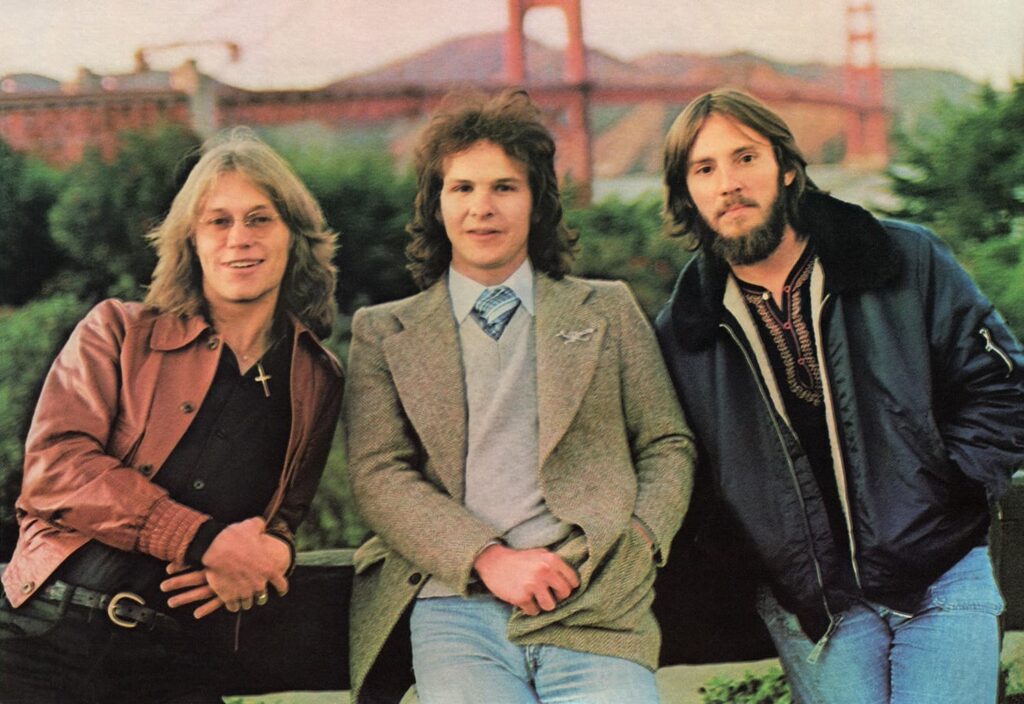
A poignant reflection on disillusionment and the yearning for genuine connection.
Ah, “Tin Man” by the iconic band America… just the title itself whispers of wistful journeys and the sometimes harsh realities that follow dreams. Released in 1974 as a single from their fourth studio album, “Holiday”, this song resonated deeply with a generation navigating the complexities of adulthood and the often-unfulfilled promises of youth. It swiftly climbed the Billboard Hot 100 chart, peaking at an impressive number four, solidifying America‘s place as purveyors of thoughtful and melodically rich music.
The genesis of “Tin Man” lies in the evocative power of imagery and personal reflection. Dewey Bunnell, one of the band’s principal songwriters, has often spoken about the song’s connection to the characters from L. Frank Baum’s timeless classic, “The Wonderful Wizard of Oz.” However, instead of a straightforward retelling, “Tin Man” uses these archetypes as metaphors for the human condition. The Tin Man, yearning for a heart, becomes a symbol of emotional longing and the search for authentic connection. The Scarecrow’s desire for a brain mirrors the quest for understanding and purpose, while the Cowardly Lion’s need for courage reflects the internal battles we all face.
But “Tin Man” transcends mere allegorical interpretation. It speaks to a deeper disillusionment, a gentle acknowledgment that the idealized visions we hold may not always materialize. Lines like “Oz never did give nothing to the Tin Man / That he didn’t, didn’t already have” carry a profound weight, suggesting that true fulfillment comes from within, not from external sources or promised lands. This sentiment struck a chord with listeners who were perhaps beginning to grapple with the gap between youthful idealism and the often-mundane realities of life. The song doesn’t descend into cynicism, however. Instead, it offers a comforting embrace of this realization, suggesting that the strength and the very things we seek often reside within us all along.
The musical landscape of “Tin Man” perfectly complements its lyrical themes. The gentle acoustic guitar intro, soon joined by Gerry Beckley’s distinctive piano chords and the band’s signature harmonies, creates an atmosphere of introspection and gentle melancholy. The melody unfolds with a graceful simplicity, drawing the listener into its contemplative embrace. The arrangement, while seemingly straightforward, is imbued with subtle nuances that enhance the song’s emotional impact. The interplay between the instruments, the understated percussion, and the soaring harmonies all contribute to a feeling of quiet contemplation, like gazing out at a familiar landscape tinged with the bittersweet hues of memory.
For those of us who remember the era of its release, “Tin Man” evokes a particular kind of nostalgia. It transports us back to a time of vinyl records, FM radio, and a sense of shared cultural experience. It reminds us of youthful dreams, perhaps slightly faded now, and the lessons learned along the way. The song’s enduring appeal lies in its ability to tap into universal human emotions – the longing for connection, the search for meaning, and the 1 acceptance of life’s inherent imperfections. It’s a gentle reminder that even in moments of disillusionment, there is a quiet strength to be found within ourselves, a heart that beats even without the wizard’s intervention. “Tin Man” remains a timeless reflection on the journey of life, its subtle disappointments, and the enduring power of the human spirit to find its own way home.