
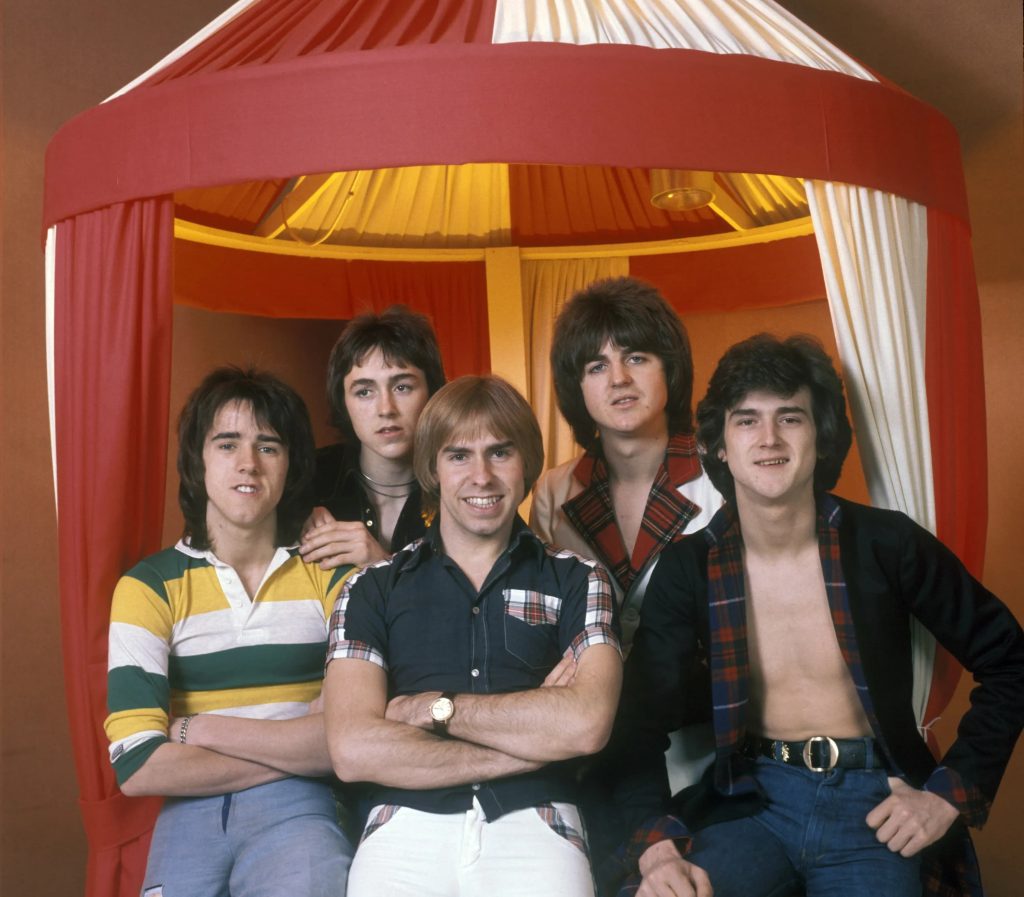
The Complications of Coming of Age: Bay City Rollers’ Poignant “You’re A Woman”
For a generation, the name Bay City Rollers instantly conjures images of tartan-clad hysteria, screaming fans, and a string of undeniably catchy pop anthems that dominated the charts in the mid-1970s. They were the undisputed kings of “Rollermania,” a phenomenon that swept across the globe. Yet, amidst the bubblegum brilliance and the innocent exuberance of their biggest hits, there were moments when the band offered a glimpse into more mature, nuanced emotional territory. “You’re A Woman,” released in 1976 on their album “Dedication,” is one such song. While it wasn’t a major charting single in its own right in most territories, its appearance on “Dedication” — an album that reached No. 26 on the UK Albums Chart and No. 32 on the US Billboard 200 — cemented its place as a significant track within their evolving discography, showcasing a depth that went beyond the immediate pop appeal.
For those of us who recall the fever pitch of “Rollermania,” “You’re A Woman” might not have been the chant-along anthem of choice at first listen, but it offered a welcome shift in tone. It felt like a subtle acknowledgment that their young audience, and indeed the band members themselves, were growing up and confronting the complexities of adult relationships. It speaks to the bittersweet realization of change, the acceptance of past mistakes, and the difficult art of letting go when a connection has run its course. It’s a song that evokes a sense of wistful maturity, a quiet reflection on the passage of time and the inevitable transformations that define our journey through life and love.
The story behind “You’re A Woman” is a testament to the songwriting talents within the Bay City Rollers themselves, as it was co-written by guitarist Eric Faulkner and bassist Stuart “Woody” Wood. While a significant portion of the Rollers’ hits were penned by external songwriting teams like Chinn and Chapman, tracks like this allowed the band’s own creative voices to shine through. “You’re A Woman” provided a more reflective and melodic counterpoint to the energetic pop-rock for which they were famous. It showcased their growing ability to craft songs that explored more intricate emotional landscapes, moving beyond simplistic narratives of youthful infatuation. It was a conscious effort to demonstrate their artistic growth and to connect with an audience that was also beginning to navigate the more serious aspects of life and relationships.
The meaning of “You’re A Woman” delves into the pain of a relationship that has changed, acknowledging the difficult truth that the person you once knew has evolved beyond your reach. The lyrics, sung with a heartfelt sincerity by Les McKeown, convey a sense of regret and the hard-won acceptance of an inevitable parting. “Baby, it’s good to see your face again / It’s been some time, I’ve missed you so,” the song begins, establishing a sense of longing for a past connection. However, this nostalgia quickly gives way to the stark realization: “Oh, you’re a woman, and you know what love is for / You say you don’t need me, you’re not a little girl anymore.” This central line is the song’s emotional core, encapsulating the painful truth that growth can lead to separation, and that the person you once loved may have outgrown the relationship. It’s a song about coming to terms with a partner’s newfound independence and the heartbreaking recognition that you no longer fit into their evolved life. For older listeners, particularly, this song resonates with a profound sense of nostalgia, stirring memories of youthful relationships that faded as individuals grew into themselves, and the poignant lessons learned from those formative experiences. It speaks to the universal process of maturation, the bittersweet knowledge that change is constant, and the quiet dignity found in acknowledging when it’s time to walk away, even when the heart still remembers what once was.