
A Gritty and Poignant Anthem of the Road, a Haunting Reflection on the Solitary Price of a Rock and Roll Dream.
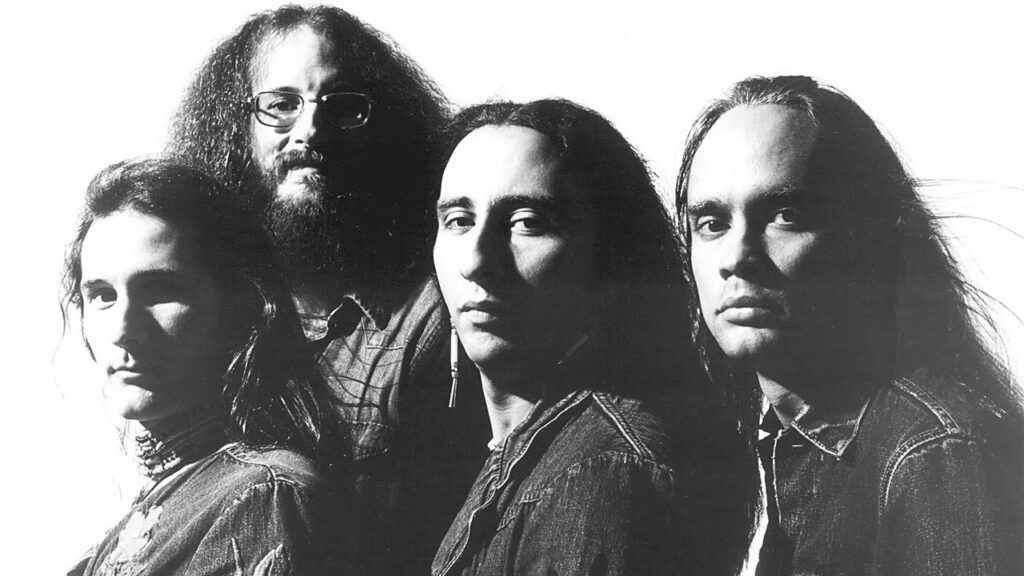
By the late 1970s, Southern rock had evolved into a powerful, hard-hitting force, and no band embodied this heavier sound more than Blackfoot. Led by the formidable Rickey Medlocke, the band was a a raw, uncompromising presence that carved its own path in the shadow of giants like Lynyrd Skynyrd. Their 1979 album, Strikes, was a career breakthrough, a thunderous record that reached number 42 on the Billboard 200 and was certified platinum. Amidst its hard-driving tracks, a song emerged that was not a major pop hit but became an enduring anthem of the road. That song was “Highway Song.” Released as a single, it was largely a rock radio phenomenon, its power lying not in top-40 chart success but in its ability to connect with listeners on a deeper, more emotional level. Its lasting legacy is a testament to the raw, personal drama it so powerfully conveys.
The story behind “Highway Song” is a classic rock and roll narrative, a cinematic tale of a life spent in constant motion. The drama is a deeply personal one, a raw and honest look at the emotional toll of a touring musician’s life. The highway is more than just a road; it is a character in the story, a symbol of the relentless, transient existence. The song’s lyrics, penned by Rickey Medlocke, are a theatrical monologue from a man who is living a dream but is haunted by a profound sense of loneliness. He is constantly on the move, a world of friends and family just out of reach, a fleeting memory. The song is a poignant confession, a powerful look at the human cost of pursuing a rock and roll dream. The tension is in the stark contrast between the glory of the stage and the quiet, solitary moments on the road.
The music of “Highway Song” is a perfect mirror of its lyrical drama. It begins with a quiet, mournful acoustic guitar and a soft, almost weary vocal. This is the moment of private reflection, the calm before the storm. The song then builds, the full band entering with a powerful, driving rhythm, and the electric guitars of Rickey Medlocke and Charlie Hargrett soar into a triumphant harmony. This musical arc reflects the human experience of finding strength and purpose in the face of exhaustion and homesickness. The a cappella break, where the band’s voices come together in a raw, emotional plea, is a powerful moment of vulnerability, a release of all the pent-up emotion. The triumphant, harmonized guitar solos that follow are a glorious declaration of an unwavering dedication to the music, a reminder that the highway, for all its loneliness, is also the path to their destiny.
For those of us who came of age with this music, “Highway Song” is more than a rock anthem; it’s a time capsule. It’s a poignant reminder of a time when rock music was a raw, unfiltered expression of the human experience. It speaks to the universal struggle of sacrificing personal comfort for a greater passion, a theme that resonates with anyone who has ever pursued a dream with a burning desire. The song endures because the emotion it portrays is timeless and authentic. It remains a beautifully gritty and profoundly emotional piece of rock history, a masterpiece that stands as a timeless ode to the open road and the solitary price of a rock and roll dream.