
A Tender Testament to Enduring Hope, a Harmonious Echo of a Classic Ballad.
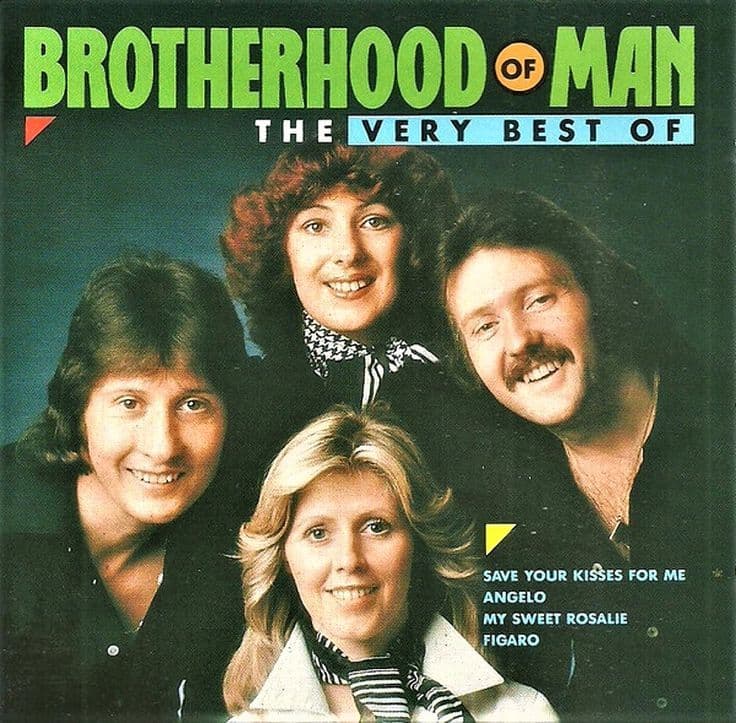
The early to mid-1970s was a vibrant and often contradictory time in pop music. While progressive rock and hard rock were pushing boundaries, a parallel universe of melodic, feel-good pop was thriving, often spearheaded by acts from the UK. Among these, few were as consistent or as popular as the vocal quartet Brotherhood of Man. Known for their impeccable harmonies, catchy choruses, and an almost effortless charm that won them the Eurovision Song Contest in 1976 with “Save Your Kisses For Me,” the group cultivated a sound that was at once timeless and perfectly suited for the radio. While their original hits are iconic, their ability to take an already beloved song and imbue it with their own unique warmth is a testament to their talent. Their rendition of “Tie a Yellow Ribbon Round the Ole Oak Tree” is a perfect example, a heartfelt nod to a classic that became a standout track on their 1974 album Good Things Happening.
It’s crucial to note that Brotherhood of Man‘s version of this song is a cover, a beautiful and respectful homage to the original chart-topping smash hit by Tony Orlando and Dawn from 1973. The original song was a global phenomenon, reaching number one in both the United States and the United Kingdom. Given the ubiquity of the original, it’s not surprising that Brotherhood of Man‘s version did not chart as a single. Instead, it was a key album track, a carefully chosen piece to showcase the group’s signature blend of a cappella-inspired harmonies and polished pop production. The song’s placement on their album Good Things Happening speaks to its role as a quiet highlight, a song that listeners discovered while listening to the record in its entirety, much like a hidden gem.
The story of the song itself is a legendary piece of pop music folklore. The lyrics tell the tale of a returning convict, released from a three-year prison sentence, who writes a letter to his love, asking her to “tie a yellow ribbon ’round the ole oak tree” if she still wants him back. He tells the bus driver to count the ribbons; if there is no ribbon, he will simply stay on the bus and understand. The dramatic tension builds as the bus approaches the town, culminating in the joyous, emotional climax of seeing not one, but “a hundred yellow ribbons” on the tree. The meaning is one of profound hope, second chances, and unconditional love. It’s a powerful narrative that resonated deeply with a generation that valued sincerity and a hopeful outlook.
For those of us who grew up with this music, the Brotherhood of Man version evokes a particularly special kind of nostalgia. It’s not the same raw, almost theatrical version by Tony Orlando and Dawn; instead, it is a gentler, more intimate take. The group’s smooth harmonies add a layer of aural sweetness, making the tale feel like a comforting fable. Hearing it now brings back memories of sun-drenched afternoons and the uncomplicated joy of pop music from a bygone era. It’s the sound of car radios playing on long road trips, of cassette tapes worn out from repeated plays. While the original song holds its own special place in history, Brotherhood of Man‘s interpretation is a loving whisper of a classic, a reminder that the most enduring stories are often those of simple faith and the incredible power of a single, yellow ribbon.