
Two Voices, One Question: Chicago Turns Rock Into a Conversation in 1975
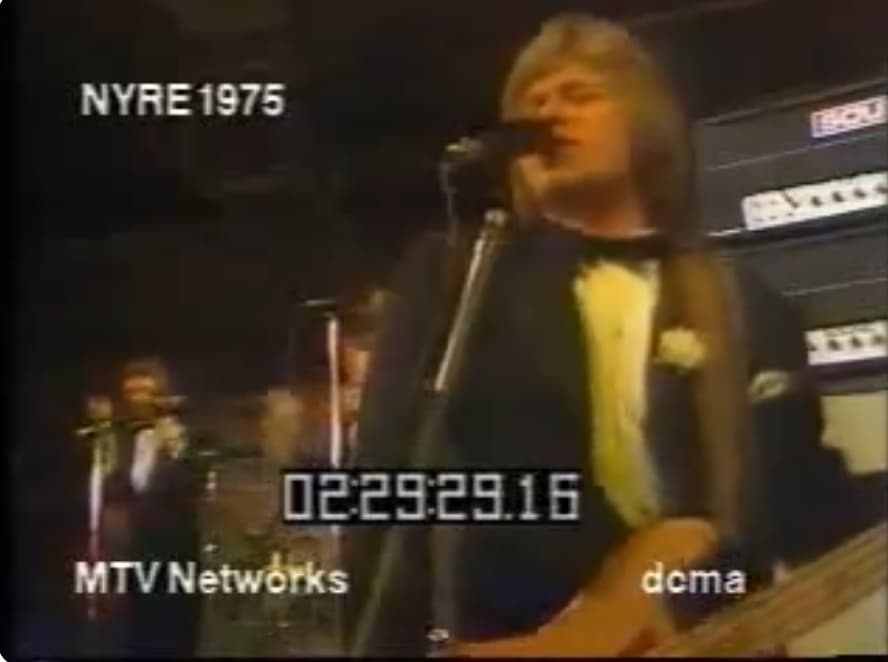
In 1975, Chicago delivered a performance of “Dialogue” that stands as one of the most intellectually ambitious moments in mainstream rock. Featuring Terry Kath and Peter Cetera sharing vocal duties, the song unfolded not as a conventional composition but as a structured exchange of ideas, capturing the social tensions of its time with striking clarity.
Written by Robert Lamm, “Dialogue” was conceived as a direct conversation between two contrasting perspectives. One voice expresses concern over global issues such as conflict, inequality, and the moral direction of society. The other responds with detachment, reflecting a mindset focused on personal comfort and disengagement. This dynamic creates a narrative rarely attempted in popular music, where opposing viewpoints are allowed to coexist and evolve within the same piece.
The live setting amplifies the song’s impact. Kath’s grounded and emotionally weighted delivery contrasts sharply with Cetera’s brighter and more fluid tone. Together, they do not simply perform lyrics but embody distinct characters. The tension between them feels immediate and authentic, drawing the audience into what resembles a real exchange rather than a scripted performance. As the song progresses, the positions begin to shift, suggesting a subtle transformation in understanding that adds depth to the composition.
Instrumentally, the band reinforces this dialogue through its arrangement. Chicago’s signature horn section does more than provide accompaniment. It responds, punctuates, and interacts with the vocals, creating a layered conversation that extends beyond words. The rhythm section maintains a steady momentum while allowing space for these interactions to unfold, demonstrating the ensemble’s technical precision during one of its most accomplished periods.
This performance also reflects a broader cultural context. The mid 1970s were marked by ongoing debates about responsibility, awareness, and the role of the individual in a rapidly changing world. “Dialogue” captures that atmosphere without offering easy answers. Instead, it invites listeners to engage with the questions being raised, making it as relevant today as it was at the time of its release.
Looking back, the 1975 rendition of “Dialogue” highlights Chicago at a moment when artistic ambition and popular appeal intersected. It is a reminder that rock music, at its best, can serve not only as entertainment but as a platform for reflection. Through its structure, performance, and message, the song remains a compelling example of how music can challenge, provoke, and endure.