
Music Became a Conversation: Chicago’s “Dialogue Parts I and II” Live in 1972
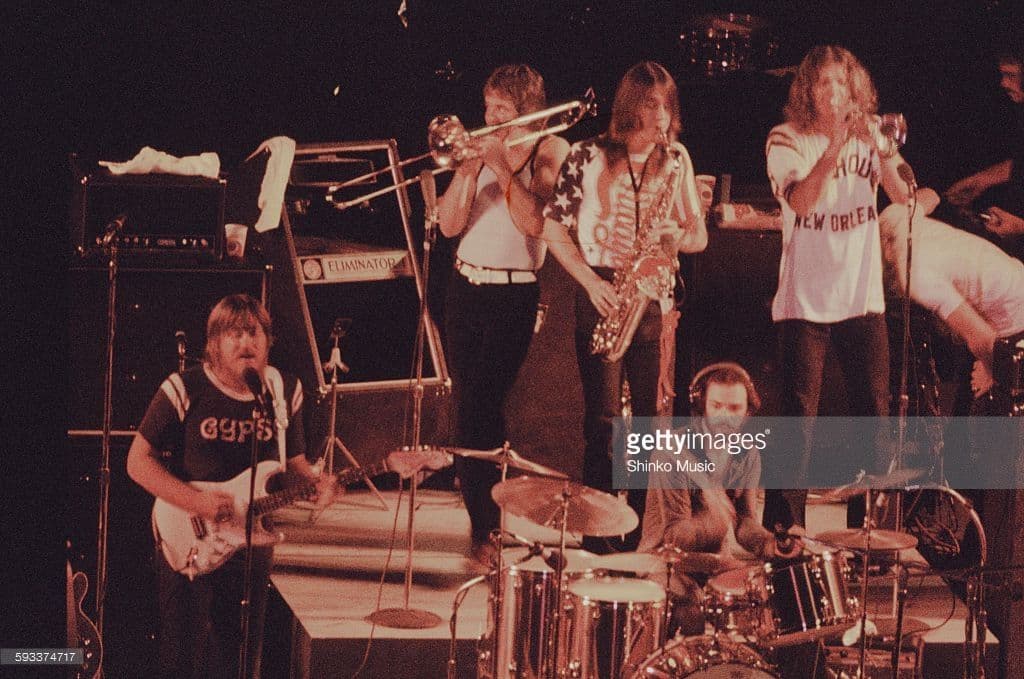
In November 1972, Chicago delivered a performance at the Arie Crown Theater that continues to stand as a defining example of the band’s artistic ambition. Featuring “Dialogue Parts I and II,” the concert captures a moment when rock music moved beyond entertainment and engaged directly with the social tensions of its time.
At the center of the performance are Terry Kath and Peter Cetera, whose vocal interplay forms the foundation of the piece. Rather than presenting a traditional lyrical structure, the song unfolds as a structured exchange of perspectives. Each voice represents a different viewpoint, creating the effect of a live discussion set to music. This approach distinguishes “Dialogue” from conventional compositions and reflects a broader trend in early nineteen seventies rock, where artists increasingly addressed political and cultural issues.
The opening section of the performance is measured and deliberate. The tone is conversational, drawing the audience into the thematic core of the song. There is a sense of restraint that allows the lyrical content to take precedence, encouraging listeners to focus on the ideas being presented. This restraint is a critical element of the performance, establishing a contrast that becomes essential to its later development.
As the piece transitions into its second part, the atmosphere shifts dramatically. A strong rhythmic foundation emerges, introducing a funk influenced groove that transforms the energy of the stage. This change marks a movement from reflection to release, where the tension built during the dialogue is expressed through instrumentation. It is within this context that Terry Kath delivers a guitar performance noted for its intensity and originality. His playing does not simply decorate the arrangement but serves as a continuation of the conversation in musical form.
The conclusion of the performance avoids offering a definitive resolution. Instead, it leaves the central questions open, reinforcing the idea that the issues explored remain unresolved. This choice enhances the lasting impact of the piece, inviting continued reflection beyond the confines of the concert.
Viewed in retrospect, this performance represents a period when Chicago operated at the height of their creative powers. It reflects a balance between technical skill and thematic depth, demonstrating how rock music could function as both artistic expression and social commentary. For contemporary audiences, it offers insight into a moment when musicians sought not only to perform, but to engage directly with the world around them.