
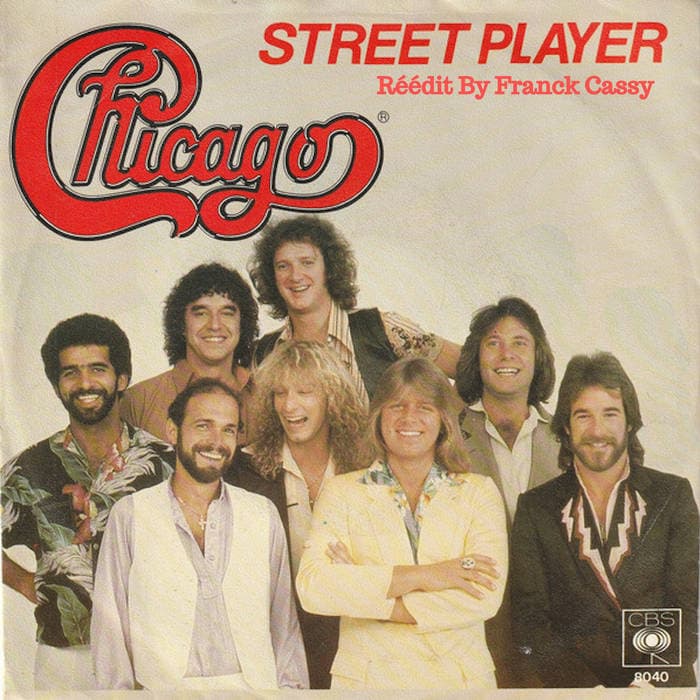
The Rhythmic Pulse of the City: “Street Player” and Chicago’s Foray into Funk-Infused Grandeur
For over five decades, Chicago has carved out an indelible niche in the annals of American music, known for their audacious blend of jazz-rock fusion, sophisticated horn arrangements, and powerhouse vocals. By the late 1970s, as disco’s shimmering influence began to ripple through the music landscape, even a band as established as Chicago found themselves exploring new rhythmic territories. Among their many iconic tracks, “Street Player” stands as a fascinating and powerful example of this evolution. Released in 1979 as the opening track on their album “Chicago 13,” this electrifying, extended jam quickly became a fan favorite, though it achieved only a modest No. 91 on the Billboard R&B singles chart as a single itself later that year. The album “Chicago 13” saw respectable chart performance, reaching No. 21 on the US Billboard 200, signifying the band’s continued commercial viability even as their sound continued to adapt.
For those of us who lived through the vibrant, sometimes bewildering, musical shifts of the late 70s, Chicago was a constant, a band that could consistently deliver complex yet accessible music. Their decision to embrace elements of funk and disco on tracks like “Street Player” might have surprised some long-time fans, but it also demonstrated their willingness to evolve and remain relevant. This song, in particular, is a testament to the band’s unparalleled musicianship, with its driving beat, intricate horn lines, and the impassioned lead vocal by Peter Cetera. It felt like the soundtrack to a bustling metropolis, a visceral sonic depiction of urban energy, and the tireless pursuit of one’s dreams amidst the daily grind. It speaks to the relentless rhythm of city life, the endless parade of characters, and the personal battles fought and won on the concrete stage of the streets.
The story behind “Street Player” is particularly interesting because, while it became a signature Chicago track, it was originally conceived by Danny Seraphine, Chicago’s phenomenal drummer and a founding member, along with David “Hawk” Wolinski, then the keyboardist for the funk band Rufus. Seraphine later titled his autobiography Street Player: My Chicago Story, reflecting the profound personal connection he had to the song. It draws heavily from Seraphine’s own formative experiences growing up in a tough Italian neighborhood in Chicago, a turbulent youth from which he found escape and purpose through music. The song’s powerful narrative, delivered with Peter Cetera’s soaring vocals, speaks to the resilience born from hardship, the determination to rise above challenging circumstances, and the ultimate triumph of self-discovery through art. The track also notably features trumpet contributions from jazz legend Maynard Ferguson, further amplifying its sophisticated musicality and showcasing the band’s continued commitment to instrumental excellence.
The meaning of “Street Player” is deeply autobiographical and profoundly resonant. It’s a vivid chronicle of overcoming adversity, portraying the protagonist as a “street player” – not in the sense of a casual musician, but as someone who has learned life’s hardest lessons on the harsh streets of a big city. The lyrics paint a picture of a challenging upbringing, filled with “endless years” and the “street sound swirling through my mind,” but also emphasize the transformative power of music. “I’m a street player, and I’ll play you a song / ‘Cause you know my heart and soul will carry, carry on,” Cetera sings, encapsulating the unwavering spirit of someone who has seen it all (“Hit men, thieves, and many a brawl”) yet still stands tall, using their art as a means of expression and survival. For older listeners, this song evokes memories of their own struggles and triumphs, the grit and determination required to navigate life’s complexities, and the universal experience of finding one’s purpose, often in unexpected places. It’s a powerful reminder that true artistry often springs from deeply personal roots, and that the pulse of a city can provide the very rhythm that fuels one’s lifelong journey of self-creation and enduring passion