
A Farewell Hidden in Plain Sight: Terry Kath’s “Little One” and the Night Chicago Quietly Changed Forever
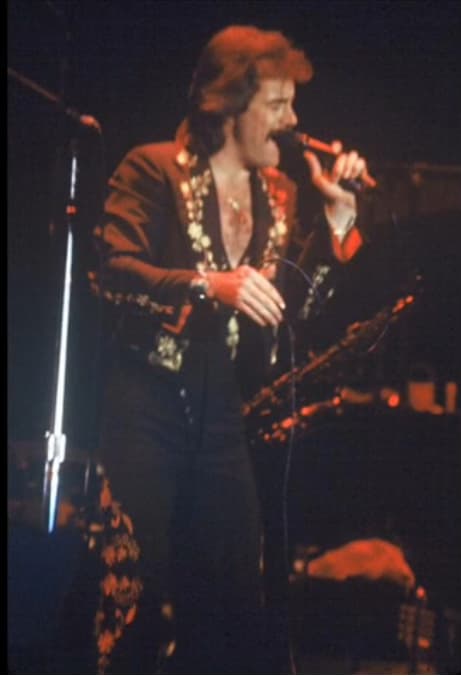
On November 22, 1977, Chicago took the stage at the Los Angeles Forum and delivered a performance that, in retrospect, carries an emotional weight far beyond what anyone in attendance could have imagined. At the center of that moment stood Terry Kath, a musician widely respected for his powerful guitar work, yet revealed here in a far more intimate and vulnerable light through the song “Little One.”
Written by Danny Seraphine and Hawk Wolinski, the song was never intended as a showcase for technical brilliance. Instead, it relied on melodic sensitivity and emotional clarity. Seraphine himself once noted that he could only truly hear Kath’s voice carrying the song, a statement that would gain profound meaning in the months that followed. Though not his composition, “Little One” feels inseparable from Kath’s identity, as if he inhabited the song rather than simply performed it.
The performance opens with a quiet restraint that contrasts sharply with the band’s reputation for bold brass driven arrangements. This shift in tone immediately signals something more personal unfolding on stage. Kath’s vocal delivery is unguarded and sincere, marked by a subtle fragility that draws the listener inward. It is a rare glimpse into a different dimension of an artist often associated with intensity and force.
What elevates this recording into historical significance is the context surrounding it. This concert was among the final appearances of Chicago’s original lineup, with only a handful of shows remaining. Within two months, Kath would pass away, an event that would permanently alter the band’s trajectory. Adding to the poignancy, the audio of this performance was preserved by Kath himself and shared shortly before his death, transforming it into a deeply personal artifact rather than a routine live recording.
The closing moments of “Little One” do not rely on grandeur. There is no dramatic flourish, no attempt to heighten the ending for effect. Instead, the song fades with a quiet finality that now resonates as something far more significant. It leaves behind a sense of stillness, as if the music itself understands what the audience at the time could not.
Viewed today, this performance stands as a bridge between eras. It captures Chicago at a moment of transition while preserving the voice of one of its most essential members in a deeply human context. More than a live rendition, it is a document of presence, memory, and unintended farewell, offering listeners a chance to hear not just a song, but a moment suspended in time.