
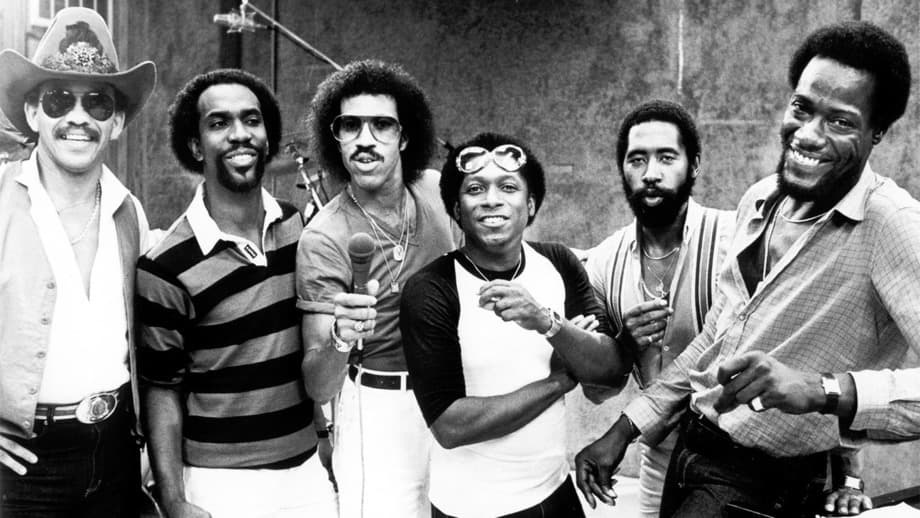
A soulful and heartfelt tribute to fallen legends, “Nightshift” marked a poignant and triumphant new chapter for the Commodores.
Released in January 1985 as the title track from their eleventh studio album, “Nightshift,” this deeply moving song became a significant hit for the Commodores, reaching number three on both the Billboard Hot 100 and the UK Singles Chart, and topping the Billboard Hot Black Singles chart. This success was particularly notable as it marked their first major hit after the departure of Lionel Richie, proving their resilience and continued musical relevance. “Nightshift” resonated profoundly with audiences worldwide, not just for its smooth R&B groove, but for its heartfelt and sincere tribute to the recently departed soul icons, Marvin Gaye and Jackie Wilson, both of whom passed away in 1984.
The story behind “Nightshift” is one of genuine respect and remembrance. Written by Walter Orange, Dennis Lambert, and Franne Golde, the song emerged as a direct response to the loss of two towering figures in soul music. The lyrics poignantly recall the enduring legacies of Gaye and Wilson, imagining them now working the “nightshift in heaven.” This concept, while simple, struck a powerful chord, offering a sense of peace and continuity for the artists’ enduring contributions. The Commodores, with J.D. Nicholas stepping into a more prominent vocal role alongside Walter Orange, delivered the tribute with a sincerity that transcended mere musical performance, turning it into a heartfelt eulogy embraced by fans globally.
The meaning of “Nightshift” is a touching acknowledgment of the indelible mark left by musical heroes and a reflection on their lasting impact. The lyrics don’t dwell on the tragedy of their passing but rather celebrate their artistry and the joy they brought to the world through their music. By picturing them continuing their craft in another realm, the song offers a comforting perspective on their legacy. The lines “Marvin, he was a friend of mine / And he could sing a song / His heart in every line” and “Jackie, oh baby, what a voice / Made you wanna dance / Made you wanna rejoice” are direct and personal, highlighting the unique gifts of each artist. The recurring image of the “nightshift in heaven” provides a sense of peaceful continuation, suggesting that their musical spirits live on.
For those who remember the soulful sounds of the 1970s and early 1980s, and felt the loss of Gaye and Wilson, “Nightshift” served as a comforting and respectful homage. It demonstrated the Commodores’ ability to evolve and connect with their audience on a deeper emotional level. The song’s smooth R&B groove, combined with its poignant lyrics and heartfelt delivery, made it a staple on radio and a significant moment in the band’s history. “Nightshift” wasn’t just a hit song; it was a cultural moment of collective remembrance, a soulful salute to two legends whose music continues to inspire and move generations. It stands as a testament to the enduring power of music and the bonds that connect artists and their audiences, even in the face of loss.