
A Heartbreaking and Cinematic Love Letter to a Broken Romance, a Timeless Masterpiece of Melancholy and Hope.
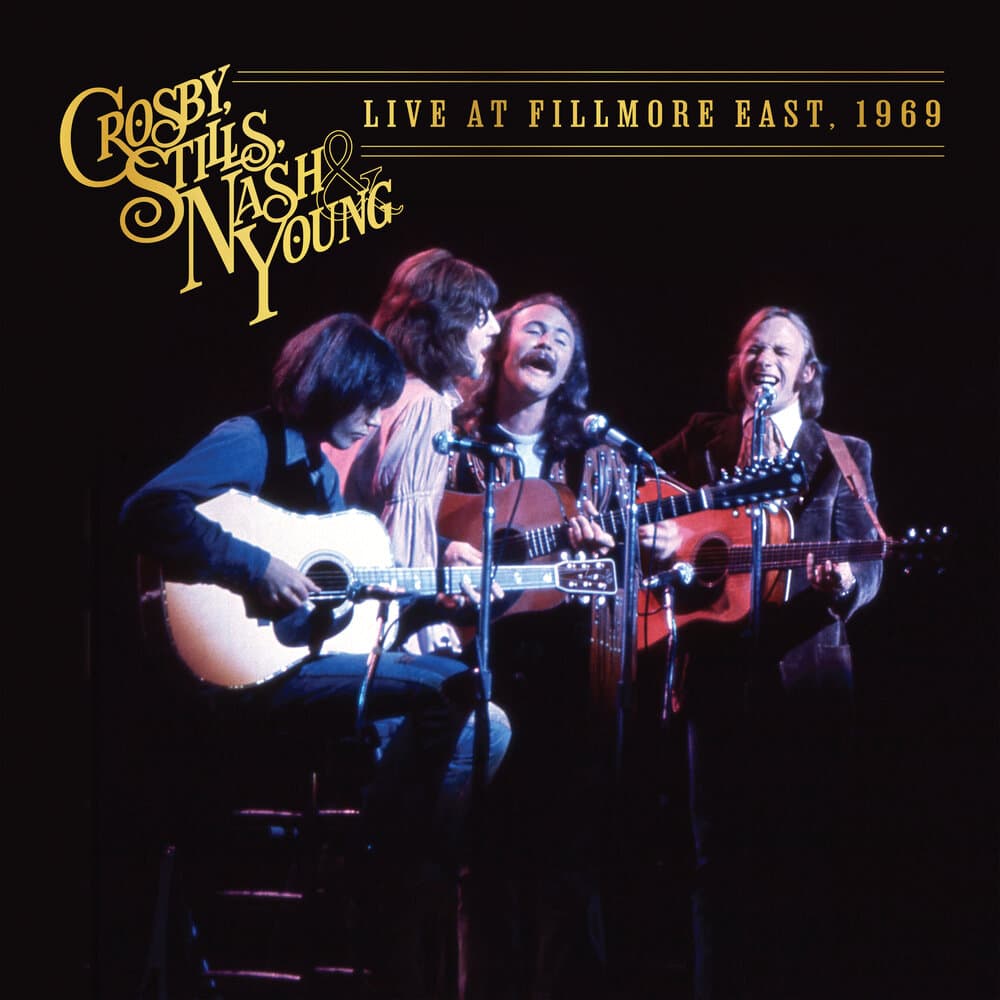
In the late 1960s, a new kind of magic was taking shape in the canyons of Southern California. Three of the most brilliant and distinctive voices of their generation came together, a rare and perfect alignment of talent and artistry that would give rise to one of the most iconic supergroups in history. That band was Crosby, Stills & Nash, and their 1969 debut album, simply titled Crosby, Stills & Nash, was a phenomenon. It was an instant classic, a record that captured the spirit of a generation and ushered in a new era of introspective folk-rock. The album opens with a song so ambitious and deeply personal that it felt less like a track and more like a theatrical overture: “Suite: Judy Blue Eyes.” The song was a major hit, climbing to a peak of number 21 on the Billboard Hot 100, its popularity a testament to its raw, emotional power. The drama of this song is not found in a fictional story, but in the bleeding heart of a man in the midst of a very public and very painful breakup.
The story behind “Suite: Judy Blue Eyes” is the raw, unvarnished chronicle of a love affair’s end. It was written by Stephen Stills as a final, desperate musical conversation with his then-girlfriend, the folk singer and activist Judy Collins. The very structure of the song is an act of dramatic storytelling. Stills crafted it as a musical “suite” with four distinct movements, each one a different emotional phase of their relationship’s painful decline. The song is a monologue of a man grappling with a love he knows is over but cannot bring himself to let go of. The opening lines, “It’s getting to the point where I’m no fun anymore / I am sorry,” are a gut-wrenching admission of his own failures and a plea for understanding. The song is an emotional autopsy, a profound and honest exploration of love, sorrow, and the impossible act of saying goodbye.
The musical drama perfectly mirrors the lyrical narrative. The first section is a gentle, almost hopeful acoustic strum, a quiet moment of reflection on the good times. But the mood shifts dramatically as the song progresses, moving from resignation to quiet despair. Stills’s vocals, filled with a raw, unpolished pain, are a testament to the depths of his heartbreak. And then, the true magic unfolds. The iconic three-part harmonies of Crosby, Stills & Nash enter, weaving together into a sound that is both heavenly and achingly sad. The voices, each a distinct character in this drama, express the complex emotions that a single voice cannot. The final section, with its frantic, almost manic energy, is the climax of the suite, a desperate attempt to outrun the pain and move on. The rapid-fire lyrics and soaring harmonies feel like a final, cathartic scream into the void.
For those of us who remember this era, “Suite: Judy Blue Eyes” is a time capsule, a powerful reminder of a time when music was an intimate conversation and a profound emotional experience. It speaks to the universal heartbreak of loving someone you can’t be with. It’s a nostalgic echo of a time when artists were unafraid to expose their deepest vulnerabilities and turn their personal pain into something of lasting beauty. The song’s enduring power lies in its raw honesty and its cinematic, heartbreaking drama, proving that some of the greatest love stories in music are the ones that don’t have a happy ending.