
A Furious and Seething Indictment of Racism, a Fiery Musical Confrontation with the Darkest Parts of American History.
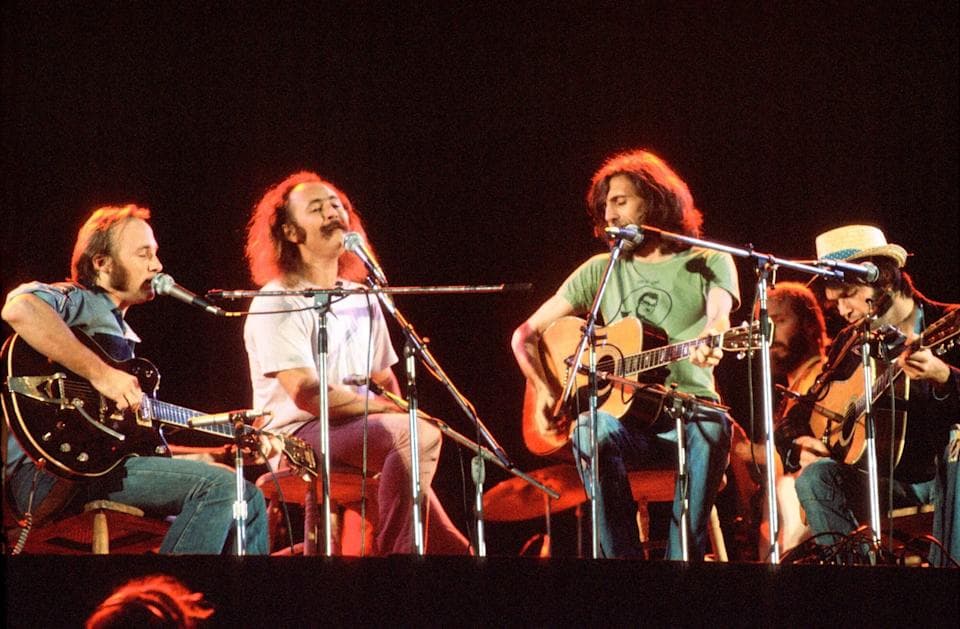
In 1970, as the nation grappled with the tumultuous legacy of the Civil Rights Movement and the scars of the Vietnam War, a raw and uncompromising voice emerged to confront one of the most painful truths of the American experience. That voice belonged to Neil Young, a founding member of the volatile supergroup Crosby, Stills, Nash & Young, who channeled his fury into a searing anthem that would become one of the most controversial and iconic songs of its era. That song was “Southern Man.” It was a powerful album track from his solo masterpiece, After the Gold Rush, and not a studio recording by the full CSNY quartet, a crucial detail that only highlights its singular, unyielding vision. While it was never released as a commercial single, the song became a cornerstone of FM rock radio and a central, fiery moment in Neil Young’s live performances with the band. The album itself was a massive commercial and critical success, soaring to a peak of number eight on the Billboard 200, its fame carried on the strength of powerful, uncompromising songs like this one.
The story behind “Southern Man” is one of unflinching confrontation. The drama is a personal and political one, born out of Neil Young’s journey through the American South and his raw, visceral reaction to the lingering racism and violence he witnessed. The song is a theatrical monologue, a viciously honest portrayal of a character—the “Southern Man”—who embodies a legacy of hatred, oppression, and cruelty. The lyrical narrative is not a subtle commentary; it is a direct and forceful attack, a damning chronicle of a man who clings to a hateful past, haunted by the specter of “the cross that you are bearing.” Neil Young’s fury is palpable in every line, as he paints a picture of racial violence and the deep, unhealed wounds of history. This song was not written for diplomacy or easy listening; it was a powerful cry of protest, a lightning rod that would spark one of the most famous feuds in rock and roll history.
The musical drama of “Southern Man” is a masterpiece of storytelling. The song is a slow, methodical build of tension, a simmering rage that finally boils over into a chaotic storm. The simple, repetitive bassline and crashing drums create a sense of inevitable doom, a relentless march towards confrontation. Neil Young’s acoustic guitar strumming sets the initial, tense mood, but the song truly explodes in a furious, extended guitar solo. His aggressive, searing electric guitar work is not just a musical break; it’s a character in its own right—a shriek of rage, a wail of sorrow, and a defiant scream of protest. His high-pitched, almost pained vocals deliver the lyrics with a raw intensity that makes the song a visceral experience. This song was a direct challenge to the comfortable silence surrounding racism, and its power was so immense that it drew a fiery response from the band Lynyrd Skynyrd, who famously wrote their hit “Sweet Home Alabama” as a direct retort, defending the honor of the South.
For those of us who remember this era, “Southern Man” is more than a song; it’s a historical document, a chilling and necessary chapter in the story of a nation in turmoil. It’s a testament to the fact that great art can be a powerful mirror, reflecting a society’s darkest flaws and forcing a conversation that is long overdue. It’s a nostalgic reminder of a time when rock and roll was a voice of protest, unafraid to stand on the front lines of a cultural war. “Southern Man” remains a timeless and profoundly emotional piece of music, a blistering, yet essential, anthem that continues to resonate with its raw, uncompromising truth.