
Donald Fagen on Kamakiriad and the Long Awaited Return of Steely Dan to the Stage
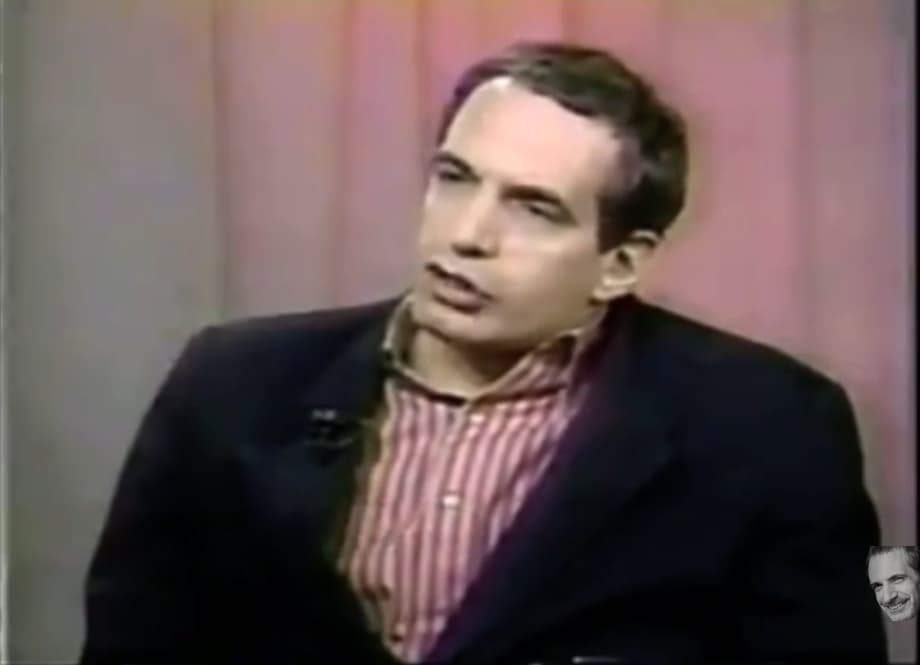
In 1993, Donald Fagen sat down with CNN to discuss the release of his new solo album Kamakiriad and the unexpected prospect of Steely Dan returning to live performance for the first time in nearly two decades. The interview marked a significant public moment for an artist known for maintaining a relatively low profile despite his lasting influence on American popular music.
Kamakiriad was Fagen’s first solo release since The Nightfly in 1982. Before embarking on his solo career, Fagen and Walter Becker had released eight albums as Steely Dan, culminating in Gaucho at the end of the nineteen seventies. Reflecting on that period, Fagen explained that around the time Gaucho was completed, both he and Becker felt they had temporarily exhausted their creative momentum. They chose to step away and pursue separate projects rather than continue under diminishing inspiration.
During the nineteen eighties, Fagen explored a range of musical activities. Among them was the New York Rock and Soul Revue, along with soundtrack work and other collaborations. Still, the eleven year gap between solo albums prompted questions. In the CNN interview, Fagen acknowledged that after finishing The Nightfly he experienced a period of writer’s block. It was only later, inspired in part by science fiction themes, that new material began to take shape.
Kamakiriad, co produced with Walter Becker and partially recorded in Becker’s home studio in Hawaii, signaled a renewed creative partnership. The album introduced songs such as Tomorrow’s Girls, which used science fiction imagery as metaphor for strained relationships. Fagen described the concept with characteristic dry humor, likening emotional distance to waking up beside someone who suddenly seems like an alien from another planet.
The interview also addressed Steely Dan’s enduring presence on radio. Fagen suggested that part of the group’s longevity came from a commitment to giving listeners lasting value through careful songwriting and production. Despite that legacy, he maintained a detached attitude toward discussions of historical importance, insisting that long term reputation was never their primary concern.
Perhaps the most notable revelation was confirmation that Steely Dan would tour again, their first live performances since 1974. Fagen, who had originally become the band’s lead singer almost by accident after another vocalist lost his voice, now found himself preparing to return to the stage under very different circumstances. The planned reunion represented not only a revival of a celebrated catalog, but also a shift for a band long associated with studio precision over live exposure.
The CNN interview captured a transitional moment. Kamakiriad reintroduced Donald Fagen as a solo artist, while the forthcoming tour signaled that Steely Dan’s story was far from finished.