
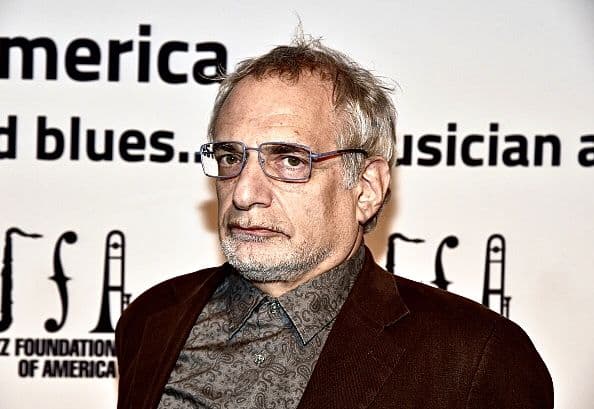
Donald Fagen Brings Dark Humor and Jazz Precision to Life with “The Great Pagoda of Funn”
When Donald Fagen released the album Morph the Cat in 2006, listeners quickly recognized that the former Steely Dan cofounder had once again delivered a work steeped in wit, jazz sophistication, and a distinctly urban sense of storytelling. One of the most striking compositions on the record is The Great Pagoda of Funn, a song that reflects Fagen’s long standing fascination with dystopian imagery, surreal humor, and finely crafted studio musicianship.
During performances associated with the album’s release and subsequent tours, the song stood out as a vivid example of Fagen’s ability to translate intricate studio arrangements into a compelling live experience. The piece unfolds with a carefully structured groove that blends jazz harmony, funk rhythm, and the sleek precision that has defined Fagen’s work since the classic recordings of Steely Dan in the 1970s.
The recording itself demonstrates the meticulous production standards that have long been associated with Fagen’s music. Produced by Fagen and mixed by the renowned engineer Elliott Scheiner, the track features a lineup of highly respected session musicians. Bassist Freddie Washington anchors the rhythm with a smooth but authoritative performance, while drummer Keith Carlock provides the crisp and dynamic rhythmic foundation that drives the arrangement forward. Guitarists Jon Herington and Wayne Krantz add contrasting textures, with Krantz delivering an expressive solo that gives the track an edge of modern jazz improvisation.
The horn section also plays a significant role in shaping the song’s character. Trumpeter Marvin Stamm leads the brass accents, supported by saxophonists Lawrence Feldman, Walt Weiskopf, and Roger Rosenberg along with trombonist Mark Patterson. Their tightly arranged lines create a vibrant sonic landscape that evokes the polished jazz pop sound that Fagen helped pioneer decades earlier. The inclusion of vibraphone by Phonus Quaver adds a shimmering color to the arrangement, reinforcing the track’s atmospheric tone.
Lyrically, the song reflects the darkly satirical worldview that has often appeared in Fagen’s songwriting. The narrative hints at a strange entertainment complex in a futuristic society, a place where spectacle and excess replace genuine culture. The imagery is deliberately exaggerated, echoing the sly commentary on modern life that has been a hallmark of Fagen’s work since the earliest Steely Dan albums.
Critics widely praised Morph the Cat for its musical sophistication and thematic depth, noting that it continued the tradition of carefully constructed studio artistry that defined Fagen’s earlier solo work such as The Nightfly and Kamakiriad. Within that context, The Great Pagoda of Funn functions as one of the album’s most memorable moments, combining technical brilliance with a sharp sense of irony.
For audiences familiar with Fagen’s legacy, performances of this song serve as a reminder that his artistry lies not only in memorable melodies but also in the layered musical architecture behind them. Every horn line, keyboard accent, and rhythmic shift reflects a deliberate design. In a musical era increasingly driven by simplicity and speed, Fagen’s work continues to stand as a testament to the enduring power of meticulous craftsmanship in modern popular music.