
A Melancholy and Rhythmic Chronicle of Fame’s Toll, a Desperate Journey Home to Preserve a Fragile Love.
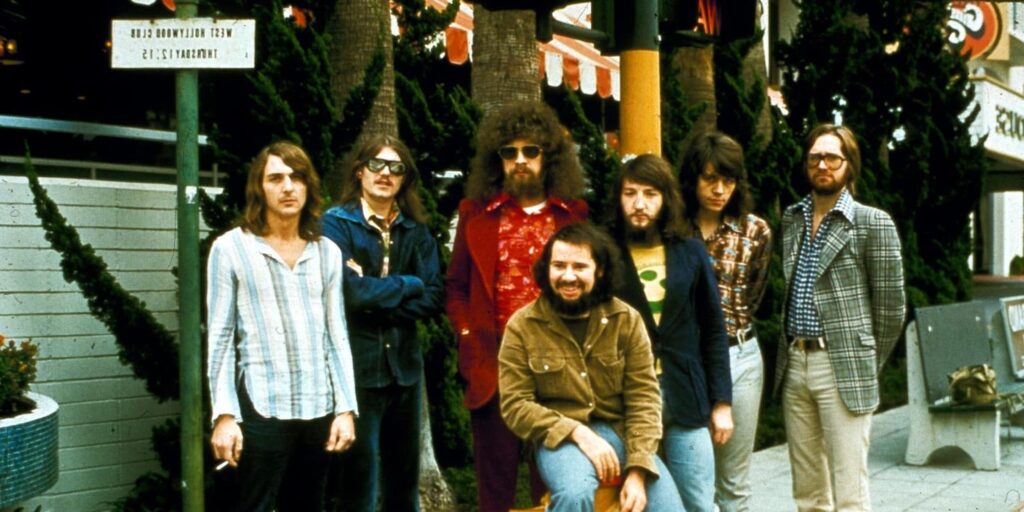
The year 1979 found Electric Light Orchestra (ELO) at the zenith of their commercial power, though navigating a dramatic internal creative shift. Led by the brilliant, studio-obsessed visionary Jeff Lynne, the band had long balanced the grandeur of symphonic rock with irresistible pop melodies. However, on their landmark album Discovery, they fully embraced the rhythmic propulsion of the disco era, a move that alienated some purists but propelled the band to stratospheric global success. The album was an international phenomenon, reaching number one on charts across the globe, including the UK and the US (where it peaked at number 5). Emerging from this highly polished, synthesized landscape was a track that captured the inherent paradox of their existence: “Last Train to London.” Released in many territories as a hugely successful double A-side single with “Confusion,” it soared to number 8 on the UK Singles Chart, becoming a staple of the era.
The story behind “Last Train to London” is a classic tale of the human cost of fame, a highly personal drama set against the chaotic backdrop of a world-conquering rock band. By 1979, ELO was constantly on the move, flying from continent to continent, living out of briefcases and perpetually separated from their homes and loved ones. The song is a theatrical monologue from Jeff Lynne, the weary traveler. The “Last Train to London” is not merely a mode of transport; it is a profound metaphor for the final, desperate push toward domestic stability. The lyrics capture the physical exhaustion and the aching urgency of a man racing against time and distance, desperate to reunite with his partner before the fragile connection breaks. It speaks to the brutal emotional toll of celebrity—the dazzling chaos of the stage is rendered meaningless by the hollow ache of the quiet hotel room.
The musical genius of the song lies in its brilliant sonic paradox. The track pulses with a vibrant, danceable energy, its sleek production and insistent beat placing it firmly in the late 70s disco-pop aesthetic. Yet, the emotional core of the lyrics is one of profound fatigue and aching separation. This contrast creates the dramatic tension that makes the song so enduring. The famous, driving string arrangements—the signature sound of ELO—are used here not for orchestral grandeur, but to serve the rhythm, mimicking the relentless, frantic energy of the journey itself. Lynne’s lead vocal, though perfectly pitched and melodically sweet, carries an undertone of melancholy and urgency, allowing the listener to feel the desperation of the final sprint toward sanctuary.
For those of us who remember this golden age of pop-rock, “Last Train to London” is more than just a danceable hit; it’s a nostalgic echo of a time when the biggest spectacle on stage often hid the most human vulnerabilities. It is a testament to Jeff Lynne’s unique ability to embed complex, emotional narratives within the most accessible pop structures. The song stands as a timeless, deeply emotional, and magnificent piece of musical storytelling, a powerful reminder that even the biggest rock stars are ultimately just trying to catch the last train home.