
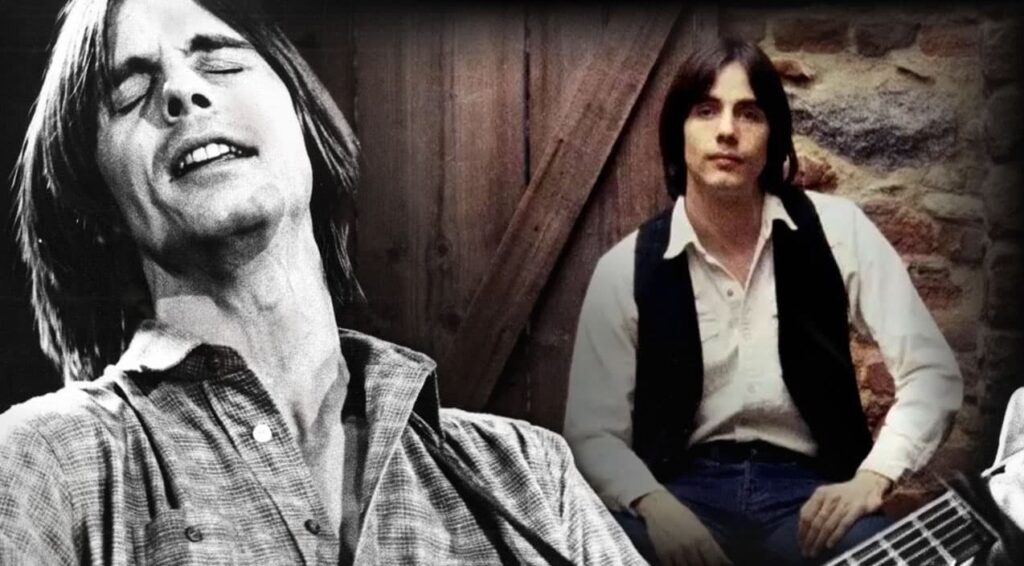
A Profound and Grateful Meditation on Privilege, a Stirring Call to Conscience Amidst Global Injustice and Personal Comfort.
By 2008, Jackson Browne had long since cemented his legacy, transitioning from the anguished poet of the seventies to the revered elder statesman of the singer-songwriter tradition. His voice, matured by decades of introspection and activism, still rang with an unwavering moral clarity. His album, Time the Conqueror, was a late-career triumph, a work of renewed political and social engagement that demonstrated his enduring relevance, peaking at a respectable number 20 on the Billboard 200. Deep within this thoughtful collection lies a track that was never a single, never destined for radio airplay, yet serves as the album’s most powerful ethical centerpiece. That song is “Far From the Arms of Hunger.” Its power is not found in chart placement, but in its ability to force a challenging, necessary conversation with the listener’s own conscience, making it a profound document of late-life wisdom.
The story behind “Far From the Arms of Hunger” is the internal drama of the privileged soul. The song was conceived during a period of global turmoil and economic anxiety, prompting Browne to turn his gaze outward, confronting the vast chasm between his own comfortable existence and the suffering of the wider world. The lyrics, penned by Browne, are a dramatic monologue of profound personal gratitude juxtaposed with an overwhelming sense of responsibility. The “drama” is the psychological tension of the narrator: he is a successful man who recognizes that his fortunate position—being “far from the arms of hunger”—is largely a matter of luck, not merit. The song is an internal battle against cognitive dissonance, an acknowledgment that comfort should not breed complacency, and that witnessing injustice carries an ethical price.
The meaning of the song is a powerful call to consciousness, a reflection on the moral duty that accompanies affluence. The narrator, through the song, is urging both himself and the listener to remain perpetually aware of the global majority who are constantly struggling. It is a mature perspective, replacing the youthful angst of his early work with a deep, seasoned conviction. Musically, the song maintains a gentle, reflective, yet firmly moving folk-rock groove. The acoustic guitars and the measured, unhurried tempo create a solemn, contemplative atmosphere, ensuring the weighty message is delivered not with bombast or anger, but with sincerity and a kind of resigned sorrow over the world’s persistent imbalances. Browne’s vocal performance, rich with the accumulated wisdom of his years, delivers the title phrase as a quiet prayer of gratitude and a lament for those less fortunate.
For those of us who have followed Jackson Browne’s career from his earliest ballads, “Far From the Arms of Hunger” is a truly rewarding dose of nostalgia. It is a testament to his enduring commitment to the role of the artist as an ethical voice, proving that his later work holds as much moral depth as his classics. It stands as a timeless, deeply emotional, and profoundly dramatic piece of late-career truth, reminding us that time may conquer all, but conscience should not be surrendered.