
Jackson Browne Reflects on Art Influence and Truth in Music in The Questions Vol. 6
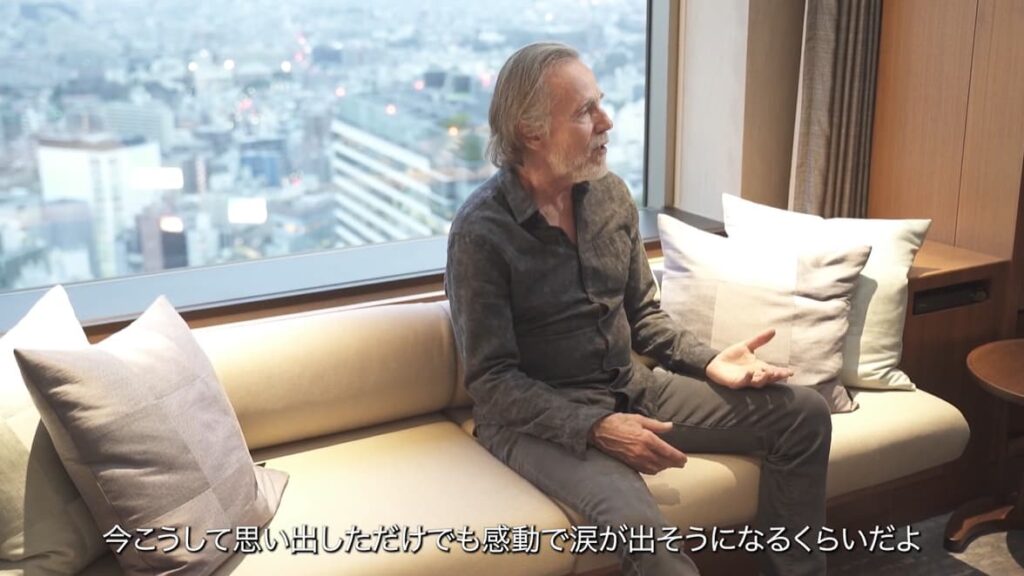
In the sixth installment of The Questions series, singer songwriter Jackson Browne offers a thoughtful and deeply personal conversation that reveals the artistic influences and life experiences that shaped his creative voice. Rather than promoting a new release or focusing on performance, the appearance functions as a reflective portrait of an artist looking back with clarity, gratitude, and honesty.
Browne begins by discussing music that left a lasting impression on him at a young age. He speaks with particular admiration for an album by Ry Cooder, noting that while Cooder is widely recognized as a remarkable musician, his songwriting on that record remains underappreciated. Browne emphasizes the emotional power of the writing, describing it as extraordinary and influential during his formative years.
The conversation then moves to Browne’s earliest live music memory. At the age of fourteen, his father took him to see blues legend Lightnin Hopkins perform at the Ash Grove in Los Angeles. Browne describes this moment as his introduction not only to the venue, but to the blues itself. The experience left a permanent mark, reinforcing the importance of live performance and authentic expression in his understanding of music.
Literature and film also play a central role in Browne’s reflections. He identifies Lust for Life by Irving Stone as a life changing book, drawn to its portrayal of Vincent van Gogh as an artist who endured repeated failure without recognition during his lifetime. Browne is visibly moved when discussing the unwavering support of van Gogh’s brother, describing it as a reminder that belief from even one person can sustain an artist through years of doubt. The story, he suggests, carries an important message about creating work independent of external acclaim.
In cinema, Browne points to Federico Fellini’s Eight and a Half as a defining influence. He relates strongly to the film’s themes of creative struggle, memory, and self examination. The idea that the act of trying itself becomes the story resonated deeply with him and aligned with his own experiences as a songwriter.
Later in the interview, Browne shares his affection for intimate listening venues in Los Angeles, including Largo, McCabes, and the Baked Potato. He values these spaces for their focus on attentive audiences and genuine musical connection rather than spectacle.
Concluding the segment, Browne offers advice to younger musicians. He acknowledges the challenges of the modern world and encourages artists to take responsibility for shaping their own lives. For Browne, being a musician means telling the truth, understanding that this truth evolves with time, and committing fully to the process of uncovering it.