
A soft farewell shaped into a prayer of grace, kindness, and acceptance
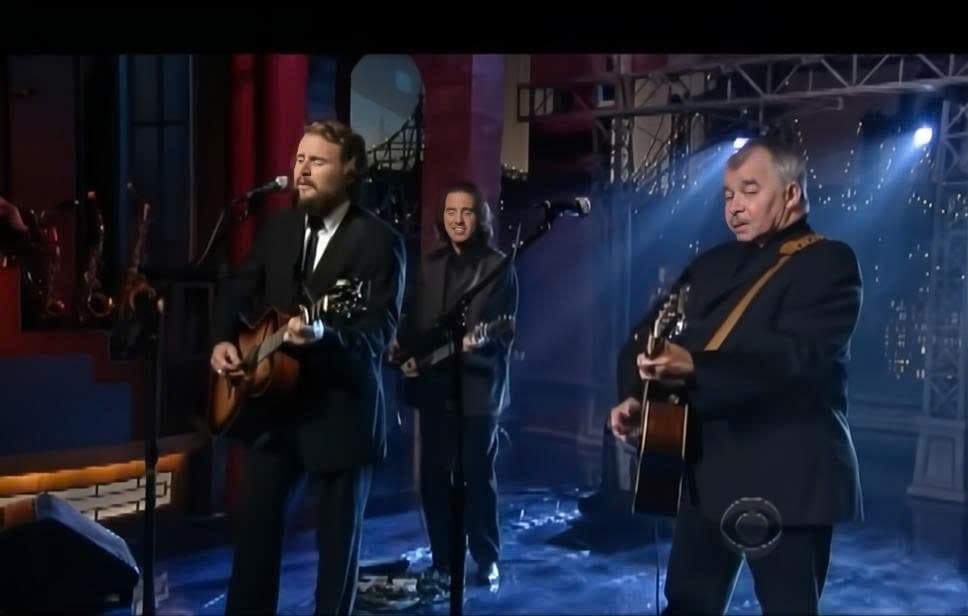
Released on the 1991 album The Missing Years, John Prine‘s All The Best did not storm charts or arrive with commercial fireworks. Instead, it found its place through something rarer: emotional honesty, quiet craftsmanship, and the kind of truth that sits with a listener long after the final note fades. In later years, when Prine revisited the song with Jim James, the performance added a second emotional dimension. Their voices together made the message feel less like a personal goodbye and more like a universal blessing shared between two souls who understand heartbreak from the inside.
At its heart, All The Best is a gentle paradox. It speaks from the hurt of loss, yet it chooses grace over resentment. Instead of bitter parting words, the narrator offers something unexpected: goodwill. The song does not plead, accuse, or bargain. It simply lets go. The opening lines sound like someone trying to steady their own heart, as if speaking the words aloud makes kindness easier to accept. In that simplicity lies one of Prine’s greatest gifts: he could turn ordinary language into poetry without making it ornate or unreachable.
Musically, the arrangement remains minimal, allowing the emotional weight of the lyrics to remain clear and unforced. The melody moves patiently, almost as if it is breathing. In the duet version, Jim James adds a soft haze of vulnerability, while Prine anchors the performance with his seasoned calm. There is something deeply human in the way their voices meet: neither trying to dominate, both leaning gently into the sentiment. Their interpretation feels like a moment suspended in time, familiar yet devastating, like reading the final lines of a long, handwritten letter someone once carried close to their heart.
Spiritually and emotionally, the song belongs to the rare lineage of goodbye songs that do not bruise, wound, or burn, but instead heal. It recognizes that endings are not always failures. Sometimes they are acts of respect. Sometimes they are necessary steps toward peace. The narrator wishes love, happiness, freedom. He affirms that letting go does not erase what once mattered. The tenderness in that offering reveals a maturity few songwriters attempt, and fewer still capture.
In recent years, especially through charity performances and tribute events, All The Best has taken on the tone of a shared ritual. Audiences do not simply listen. They remember someone. They forgive someone. They release something. John Prine wrote many brilliant songs, but this one feels like a benediction. It sits quietly, without theatrics, and leaves behind a soft echo in the listener: a reminder that sometimes the most powerful goodbye is also the kindest.