
The Restless Spirit’s Anthem: A Journey from Doubt to Deliverance
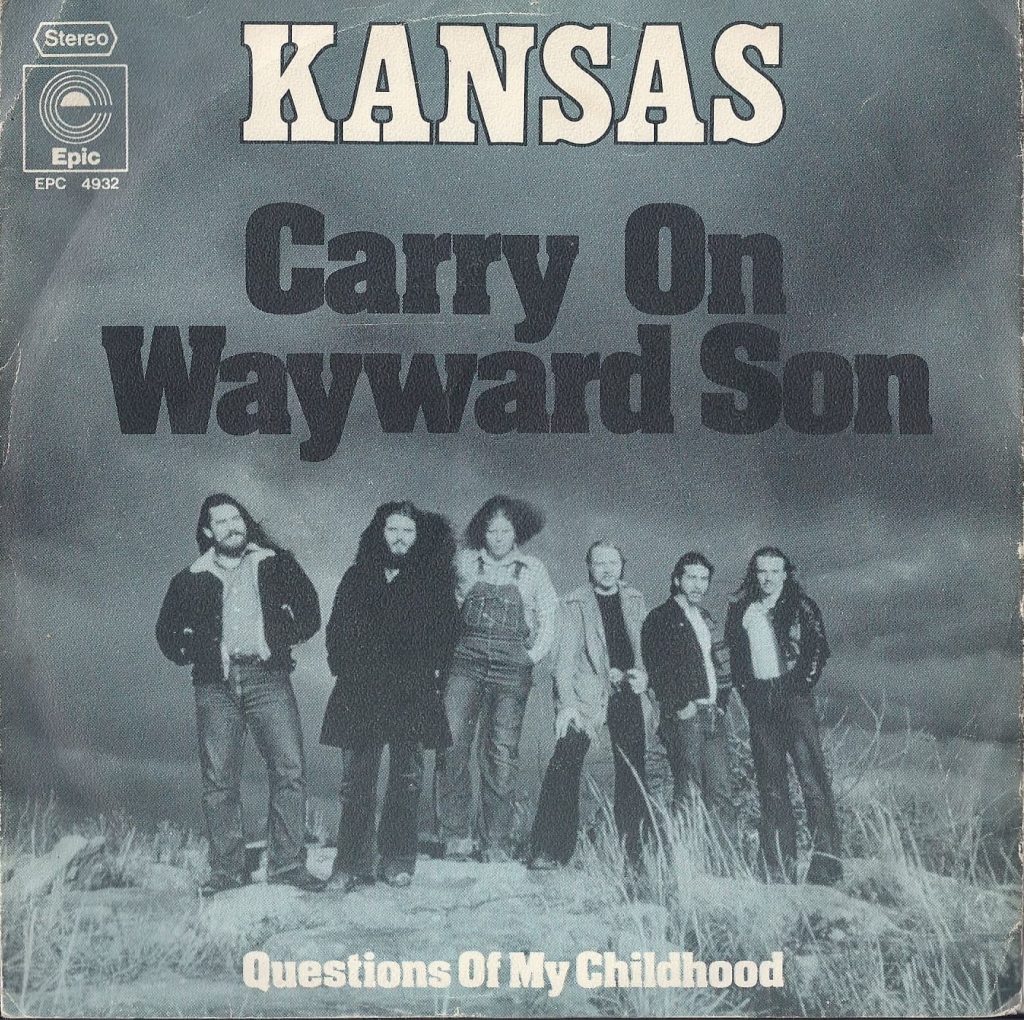
When Kansas released “Carry On Wayward Son” in 1976 as the lead single from their masterful album Leftoverture, few could have predicted that it would become one of the defining rock hymns of the decade. The song climbed to No. 11 on the Billboard Hot 100, transforming a once-underrated progressive rock band from Topeka into an American arena powerhouse. With its soaring harmonies, intricate musicianship, and spiritual lyricism, the track captured a rare duality—intellectual grandeur intertwined with emotional vulnerability. It was not merely a song for the charts; it was a revelation for anyone wrestling with purpose, pride, and redemption.
The heart of “Carry On Wayward Son” beats in its tension between faith and fatigue. Written by guitarist Kerry Livgren, it emerged at a time when he was searching for direction, both musically and personally. The lyrics—delivered with thunderous conviction by Steve Walsh’s commanding voice—mirror Livgren’s own struggle with the meaning of success, the lure of ego, and the yearning for spiritual peace. By 1976, Kansas had already spent years in the margins of commercial recognition, admired by critics but still searching for their defining moment. This song became that moment—a crystallization of everything they were: philosophically ambitious, musically intricate, and unashamedly sincere.
Musically, the track is a miniature symphony. The opening a cappella harmonies, now instantly recognizable, feel like an invocation—part hymn, part call to arms. What follows is a dazzling fusion of progressive complexity and Midwestern grit: dynamic time changes, dual guitar attacks, majestic organ sweeps, and a rhythm section that pulses with restless energy. The interplay between Livgren’s guitar and Robby Steinhardt’s violin is especially striking, adding a classical undertone that elevates the composition beyond standard rock. Each instrumental break feels like a philosophical debate, as if the instruments themselves are arguing over the nature of truth and perseverance.
Thematically, “Carry On Wayward Son” is a parable of self-realization. Its “wayward son” is not a rebel without cause, but a weary seeker—someone who has wandered through arrogance and ambition to find wisdom in humility. The song does not preach salvation; it acknowledges struggle as an intrinsic part of the human journey. In this sense, it transcends its 1970s progressive rock origins and becomes something universal—a reflection on how every generation must bear its own burden before finding peace.
Nearly half a century later, Kansas’s masterpiece endures not just as a rock anthem, but as a spiritual statement for anyone who has ever faced the weight of expectation and found the courage to continue. Its final refrain, rising like sunlight after storm clouds, offers both absolution and endurance. In the grand tapestry of 1970s rock, few songs speak so eloquently to the restless soul—urging it, with steadfast grace, to carry on.