
A Sweaty, Cinematic Tale of the Road, a Haunting Anthem of Restlessness, and the Alluring Call of Southern Mystique.
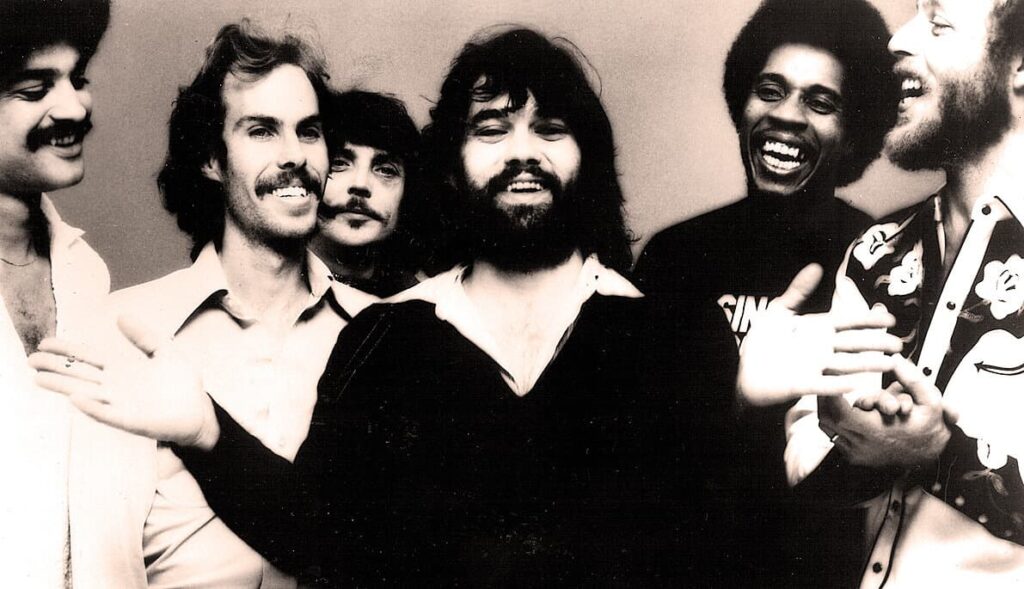
The year 1973 was a transformative moment for American rock and roll, and no band embodied the fusion of its diverse roots better than Little Feat. They were the ultimate musical outsiders, a collective of brilliant, eccentric musicians creating a complex, greasy blend of rock, blues, funk, and country that defied easy categorization. Their music was championed by fellow artists but largely ignored by the commercial mainstream. Yet, it was their fourth album, Dixie Chicken, released that year, that would become their defining masterpiece, a record that solidified their unique “swamp rock” sound. The album reached number 46 on the Billboard 200, a slow-burn success built entirely on word-of-mouth and the sheer brilliance of its deep cuts. At the heart of this enduring classic was the title track, “Dixie Chicken.” It was never released as a single and never graced the charts, a dramatic reality that confirms its power lies solely in its intoxicating rhythm and its cinematic, road-weary soul.
The story behind “Dixie Chicken” is the central drama of the American wanderer—the restless, brilliant, and often chaotic genius of Lowell George. The song was the perfect expression of the band’s artistic pivot, which had embraced New Orleans funk and R&B with the addition of new members. The narrative is a cinematic vignette pulled straight from the humid, seductive darkness of the Deep South. The drama unfolds in a late-night dive, where the road-weary narrator encounters the eponymous Dixie Chicken. She is the ultimate metaphor for the region’s enigmatic and intoxicating allure—a beautiful, fleeting, and potentially dangerous woman who promises a momentary, intoxicating respite from the endless highway. The lyrics, penned by George and Fred Martin, are a theatrical monologue from a man who knows the escape is temporary, but is utterly powerless against the potent charm of the moment.
The meaning of the song is a profound anthem of transience, a lament for the rootless existence of the musician on the road. The “Dixie Chicken” is not a permanent fixture but a temporary obsession, symbolizing any brief thrill, any flash of beauty that keeps the wanderer from succumbing to despair. The music is the main character that breathes life into this story. The iconic groove is a masterpiece of American music—a lazy, funky shuffle built on a syncopated bass line and piano chords that feel like a humid summer night. Lowell George’s legendary slide guitar solo provides the perfect dramatic score; it sounds like a human voice, weeping and wailing with a mixture of celebration and resignation. The seamless blend of tight funk and loose rock turns the track into a piece of pure musical theatre, pulling the listener deep into the smoky, shadowy world of the narrative.
For those of us who appreciate the art of the deep album cut, “Dixie Chicken” is a truly nostalgic experience. It is a testament to the raw, idiosyncratic genius of Little Feat, a reminder of a time when rock music was allowed to be complex, funky, and lyrically literate all at once. The song stands as a timeless, deeply emotional, and magnificently dramatic piece of storytelling, forever capturing the bittersweet ache of the endless road and the intoxicating pull of a fleeting Southern dream.