
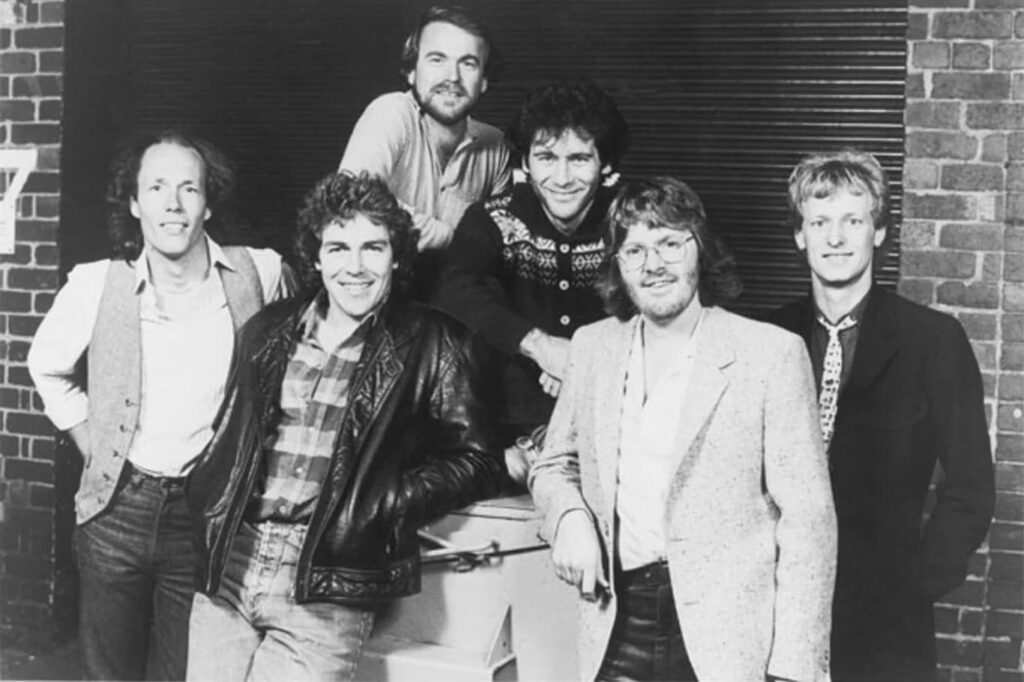
A poignant power ballad of isolation and the yearning for connection in a world of fleeting encounters.
“Lonesome Loser”, the emotionally resonant and powerfully delivered hit from the Little River Band’s 1979 album “First Under the Wire”, struck a chord with audiences navigating the complexities of relationships and the often-unfulfilled promises of fleeting connections. Reaching number six on the Billboard Hot 100, this song transcended the band’s more upbeat pop-rock sensibilities, revealing a deeper vein of vulnerability and a raw exploration of loneliness in the aftermath of a broken bond. “Lonesome Loser” is an anthem for the heartbroken, a powerful expression of the yearning for genuine connection amidst a sea of transient encounters.
The story behind “Lonesome Loser” is rooted in the universal experience of heartbreak and the isolating feeling of being left behind. Written by the band’s guitarist and vocalist David Briggs, the lyrics emerged from personal reflection on the pain of a relationship’s demise and the subsequent struggle to find meaning and connection in its absence. Unlike some breakup songs that express anger or resentment, “Lonesome Loser” delves into the quiet despair and the longing for a love that felt real but ultimately proved ephemeral. It captured the poignant reality of feeling like an outsider, a “loser” in the game of love, searching for a solace that seems just out of reach.
The meaning of “Lonesome Loser” is a raw and honest portrayal of the emotional fallout from a failed relationship and the subsequent struggle with loneliness. The lyrics paint a picture of someone grappling with the realization that what they believed to be a genuine connection was perhaps more superficial or fleeting for the other person. The repeated phrase “You’re a lonesome loser” is not necessarily self-pitying but rather a stark acknowledgment of the narrator’s current state – feeling lost, isolated, and yearning for the intimacy that has vanished. The song explores the disillusionment that follows the fading of initial passion, the sense of being left adrift when the promised depth of connection fails to materialize. It’s an anthem for those who have invested their emotions deeply only to find themselves on the outside looking in, longing for a love that feels true and lasting.
Musically, “Lonesome Loser” is a powerful blend of soft rock sensibilities and soaring emotional intensity. The song builds gradually, starting with a gentle piano melody and Briggs’s heartfelt vocals before erupting into a powerful chorus driven by layered harmonies and a more assertive instrumental arrangement. The band’s signature vocal harmonies, a hallmark of their sound, are particularly effective in conveying the depth of the narrator’s yearning and despair. The guitar work, while melodic, carries an underlying edge of sadness, mirroring the lyrical content. The overall production is polished yet raw, allowing the emotional vulnerability of the lyrics and the intensity of the vocal performance to take center stage.
For those who remember the late 1970s and the rise of bands like Little River Band, “Lonesome Loser” offered a more emotionally complex and introspective side to their typically smoother sound. It resonated with listeners who had experienced the sting of unrequited love or the loneliness that can follow a breakup. The song’s enduring appeal lies in its honest portrayal of vulnerability and the universal longing for genuine connection in a world where relationships can sometimes feel transient and superficial. Even today, “Lonesome Loser” remains a powerful and relatable ballad for anyone who has ever felt the ache of loneliness and the yearning for a love that truly lasts.
 Great Songs