
The Two-Minute Manifesto: A Blistering, Iron-Clad Recommitment to Rock and Roll’s Primal Core, Stripped of all Psychedelic Fat.
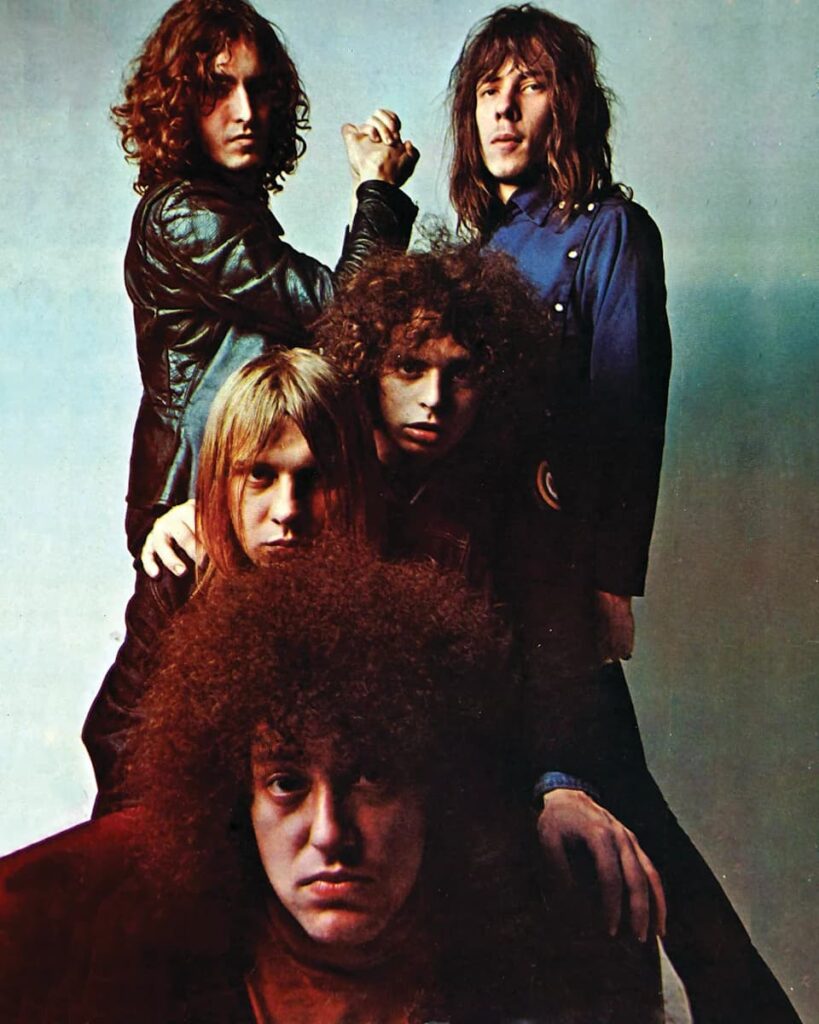
To understand the sheer, defiant drama of the MC5 opening their 1970 studio album, Back in the USA, with a blindingly fast cover of Little Richard’s 1955 smash “Tutti Frutti,” one must first recall the chaos they had just caused. Their 1969 debut, the live album Kick Out the Jams, was a feral, politically incendiary roar, famous for its raw, “total energy” sound and its controversial, uncensored opening shout: “Kick out the jams, motherfuckers!” After being dropped by Elektra Records over the ensuing censorship wars and radical political ties to the White Panther Party, the Detroit quintet signed with Atlantic Records. Their mission for the second album was clear: to prove they could harness their revolutionary power in a professional studio setting.
Key Information: The track “Tutti Frutti” is the opening song on the MC5’s second album, Back in the USA, released in January 1970. The album, produced by rock critic Jon Landau, marked a radical departure from the long, psychedelic jams of their debut, embracing a lean, trebly, and aggressive proto-punk sound influenced by 1950s rock and roll. The song was never released as a single and holds no independent chart position. The album itself achieved modest success, peaking at No. 71 on the US Billboard 200 chart. It is historically significant as the band’s first studio recording and a testament to Landau’s attempt to make the MC5 a commercially streamlined rock-and-roll force.
The story behind this specific cover is the dramatic collision of two intensely opinionated forces: the MC5, committed to political and sonic revolution, and producer Jon Landau, a passionate proponent of “rock and roll revivalism.” Landau deliberately pushed the band to record material that paid homage to the genre’s roots, stripping away the noise and improvisation that defined their live show. “Tutti Frutti,” clocking in at a ferocious 1 minute and 30 seconds, is the result—a hyper-compressed, high-octane rocket ride that takes the exuberance of Little Richard’s original and turbo-charges it with the MC5’s characteristic twin-guitar attack. Guitarist Wayne Kramer’s playing, intentionally brittle and razor-sharp, leaves no room for fat; it’s rock and roll distilled to its pure, most kinetic essence, anticipating the sound of punk rock years before the movement solidified.
The meaning of the MC5’s interpretation lies less in the original lyrics—which, ironically, were bowdlerized for Little Richard in 1955 from being a raunchy ode to sex into a relatively harmless ode to girls named Daisy and Sue—and more in the intent of the delivery. For a band that defined radical youth, opening with a classic, seemingly harmless ’50s song was a subversive act. It wasn’t simple nostalgia; it was a fierce reassertion that the MC5’s revolutionary “total energy” was built directly upon the foundation of rock and roll’s first wave—a sound that was itself revolutionary and dangerous in its time. They were arguing, through sheer volume and speed, that the politics of rebellion and the hedonism of pure rock were inseparable, using the innocence of the ’50s as a weapon.
For the older, well-informed listener, the track is a powerful nostalgic trigger. It summons memories of the intense ideological warfare of 1970: the choice between the freewheeling acid-rock of the past and the lean, aggressive sound of the future. The MC5’s “Tutti Frutti” is a brilliant piece of musical theater—a short, sharp shock that announces the end of one revolution and the frantic, determined start of another, cementing their role as essential architects of the coming punk explosion.