
A Joyful Return to Early Rock and Roll: Neil Sedaka Revives “I Go Ape” on British Television in 1994
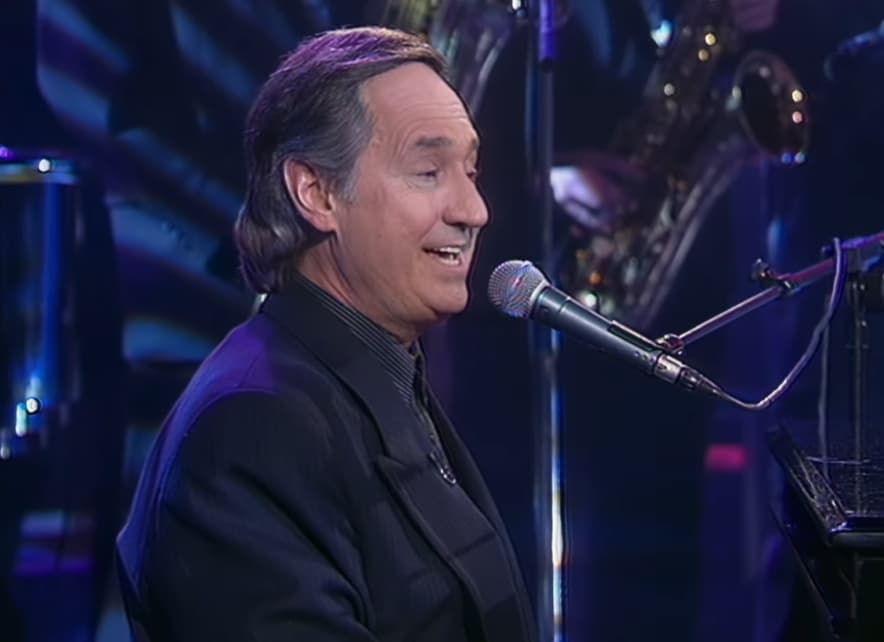
On April 16, 1994, legendary American singer and songwriter Neil Sedaka delivered a spirited television performance of his early hit “I Go Ape” alongside British pianist and bandleader Jools Holland. The appearance took place on the lively entertainment program Don’t Forget Your Toothbrush, a popular British Saturday night show known for its playful tone and musical guests. The footage, now preserved through BBC Studios Distribution, captures a moment where classic pop energy meets the exuberant atmosphere of British television.
Originally released in 1959, “I Go Ape” belongs to the earliest phase of Sedaka’s recording career, a period when American pop was rapidly absorbing the rhythm and excitement of rock and roll. Written by Sedaka and his longtime collaborator Howard Greenfield, the song reflects the playful spirit of late nineteen fifties youth culture. With its energetic rhythm, humorous lyrics, and catchy melody, the record became one of Sedaka’s early chart successes and helped establish him as a distinctive voice among the rising generation of pop performers.
By the time of the 1994 broadcast, Sedaka had long since secured his reputation as one of the most durable songwriters and performers of his era. Hits such as “Calendar Girl”, “Breaking Up Is Hard to Do”, and “Laughter in the Rain” had already cemented his legacy across several decades. Yet this television appearance showed that his connection to the joyful roots of his career remained completely intact.
The performance itself is marked by warmth and spontaneity. Jools Holland, known for his expressive piano style and deep appreciation of classic rhythm and blues traditions, provides lively accompaniment that perfectly suits Sedaka’s upbeat delivery. The two musicians share an easy rapport that turns the performance into more than a nostalgic revisit. Instead, it becomes a celebration of the enduring vitality of early rock inspired pop music.
Sedaka’s vocal presence remains clear and animated throughout the song. Even decades after its original release, he performs with the same sense of humor and theatrical flair that made the record memorable in the first place. The audience responds enthusiastically, reflecting the continued affection many listeners hold for the golden age of American pop songwriting.
Moments like this television appearance demonstrate why Sedaka’s music continues to resonate with audiences around the world. His songs combine melodic craftsmanship with a sense of fun that transcends generations. In this performance with Jools Holland, “I Go Ape” is not simply revisited as an old hit. It is brought back to life as a vibrant reminder of the playful energy that helped shape the early sound of modern pop music.