
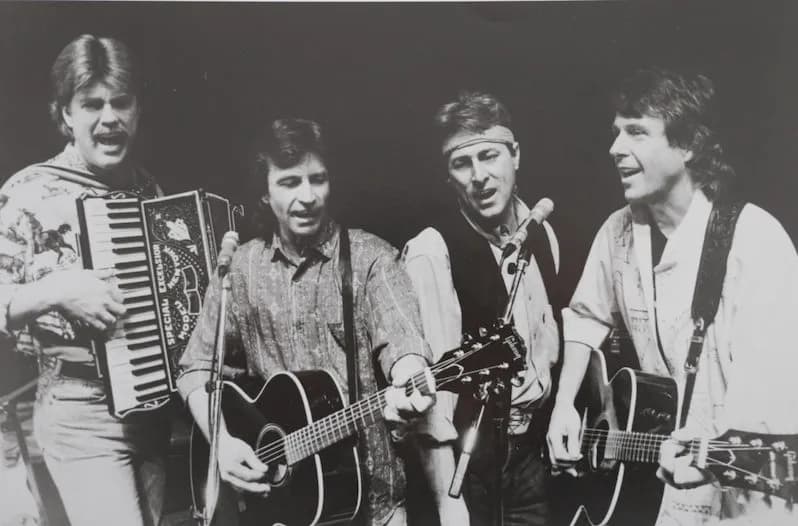
A poignant and enduring portrait of a forgotten dancer and the fleeting nature of joy, “Mr. Bojangles” became a signature song for the Nitty Gritty Dirt Band, despite its origins lying elsewhere.
While the song was penned and first recorded by Jerry Jeff Walker in 1968, it was the Nitty Gritty Dirt Band’s heartfelt and slightly more wistful rendition, released in 1970 on their album Uncle Charlie & His Dog Teddy and as a single, that propelled “Mr. Bojangles” to widespread recognition. Their version, featuring Jeff Hanna’s gentle lead vocals and the band’s signature blend of folk and country rock, climbed to number nine on the Billboard Hot 100 in 1971, becoming one of their most beloved and enduring tracks. The inclusion of the “Uncle Charlie Interview #1” as a prologue on the album version added a layer of homespun charm to their interpretation.
The story behind “Mr. Bojangles” is rooted in Jerry Jeff Walker’s chance encounter with a street performer in a New Orleans jail in 1965. Arrested for public intoxication, Walker met a white homeless man who called himself “Mr. Bojangles” to conceal his real identity from the authorities. This man, a former minstrel show and county fair dancer, shared stories of his life on the road and the deep sorrow he felt after the death of his beloved dog. To lighten the mood, at the request of another inmate, Mr. Bojangles performed a tap dance. Walker was deeply moved by this encounter, and the memory stayed with him, eventually inspiring him to write the song. The name “Bojangles” was a nod to the legendary black tap dancer Bill “Bojangles” Robinson, a figure the homeless man admired.
The meaning of “Mr. Bojangles” is a poignant reflection on the transient nature of life, the bittersweet memories of the past, and the resilience of the human spirit, even in the face of hardship and loss. The lyrics paint a vivid picture of a man who once found joy and purpose in his dancing, traveling with his faithful dog. The sadness of the dog’s death casts a long shadow over his present, highlighting the profound impact of loss. Yet, despite his circumstances, there’s a sense of dignity and a lingering spark of his former life, evident in his willingness to dance upon request. The song evokes a feeling of both melancholy and a quiet admiration for this forgotten figure, a reminder that every individual has a story and that even in the most unassuming lives, there can be moments of beauty and profound sadness.
For those who appreciate the storytelling tradition in music, the Nitty Gritty Dirt Band’s rendition of “Mr. Bojangles” is a particularly moving experience. Their gentle arrangement and Hanna’s heartfelt delivery capture the song’s wistful essence, inviting listeners to empathize with the aging dancer and reflect on the fleeting nature of time and joy. It’s a song that lingers in the memory, a tender portrait of a life lived and the enduring power of a simple dance to momentarily transcend hardship. “Mr. Bojangles” in their hands became more than just a cover; it was a heartfelt tribute to a forgotten soul, a quiet meditation on memory, loss, and the enduring human capacity for both joy and sorrow.