Noddy Holder Reflects on Slade and a Global Christmas Anthem in 1999 Television Interview
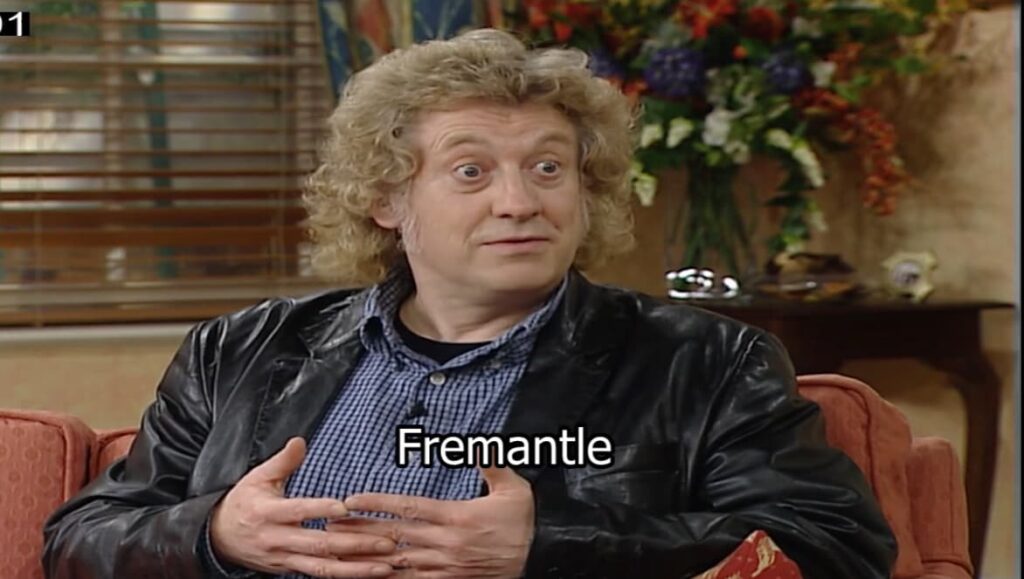
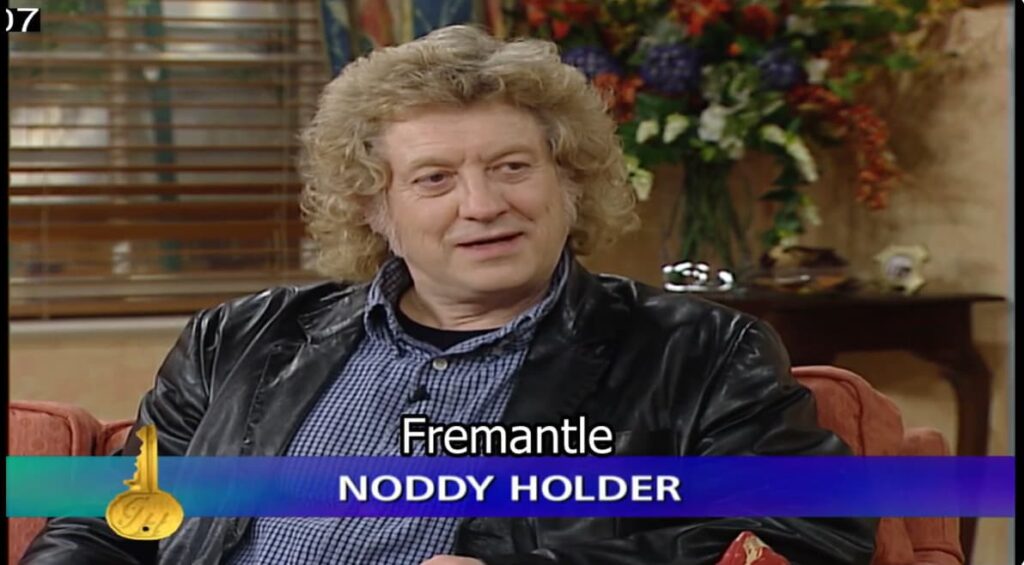
In a television interview first broadcast on the fifth of November nineteen ninety nine, Slade frontman Noddy Holder sat down with broadcaster Gloria Hunniford for an open and reflective conversation about his life in music, the early years of the band, and the extraordinary legacy of one of the most successful Christmas songs ever recorded. The interview aired as part of Open House with Gloria Hunniford and offered viewers a rare mix of warmth, history, and professional insight.
During the discussion, Holder spoke candidly about Slade’s beginnings in the West Midlands, recalling the determination and hard touring that shaped the band long before major chart success arrived. He emphasized that Slade’s rise was built on relentless live performance and a strong sense of unity among the members. According to Holder, the band always viewed itself as a live act first, with songwriting and recording growing naturally out of that experience.
A central focus of the interview was Merry Xmas Everybody, the song that had by then become one of the most played Christmas records in the world. Holder addressed the unusual position of having a single song return to public attention every year, often overshadowing other parts of the band’s catalog. Rather than expressing frustration, he spoke with appreciation, noting how rare it is for any artist to create a song that becomes part of a cultural tradition.
Holder explained that the song was written quickly and without any expectation of long term global impact. Its success, he suggested, came from its simplicity, communal spirit, and sense of joy that listeners continue to respond to across generations. He also acknowledged how the song’s popularity had introduced Slade to audiences far younger than those who experienced the band during its original chart years.
Gloria Hunniford guided the conversation with a relaxed and conversational tone, allowing Holder to speak openly about fame, family life, and the realities of sustaining a career in popular music. The interview avoided sensationalism, focusing instead on reflection and perspective. Holder appeared grounded and self aware, offering thoughtful responses shaped by decades of experience.
The nineteen ninety nine broadcast arrived at a time when Slade were increasingly recognized not only for their hit records, but for their influence on later rock and pop artists. This interview served as both a reminder of that influence and a personal portrait of the singer behind an enduring seasonal anthem.
More than two decades later, the conversation remains a valuable document. It captures Noddy Holder not as a distant pop figure, but as a musician who understands both the luck and the labor behind lasting success, especially when one song becomes part of the world’s annual soundtrack.
Video: