
A Poignant and Heartfelt Anthem of Romantic Despair, a Beautifully Sad Dance of Escape from a Broken Heart.
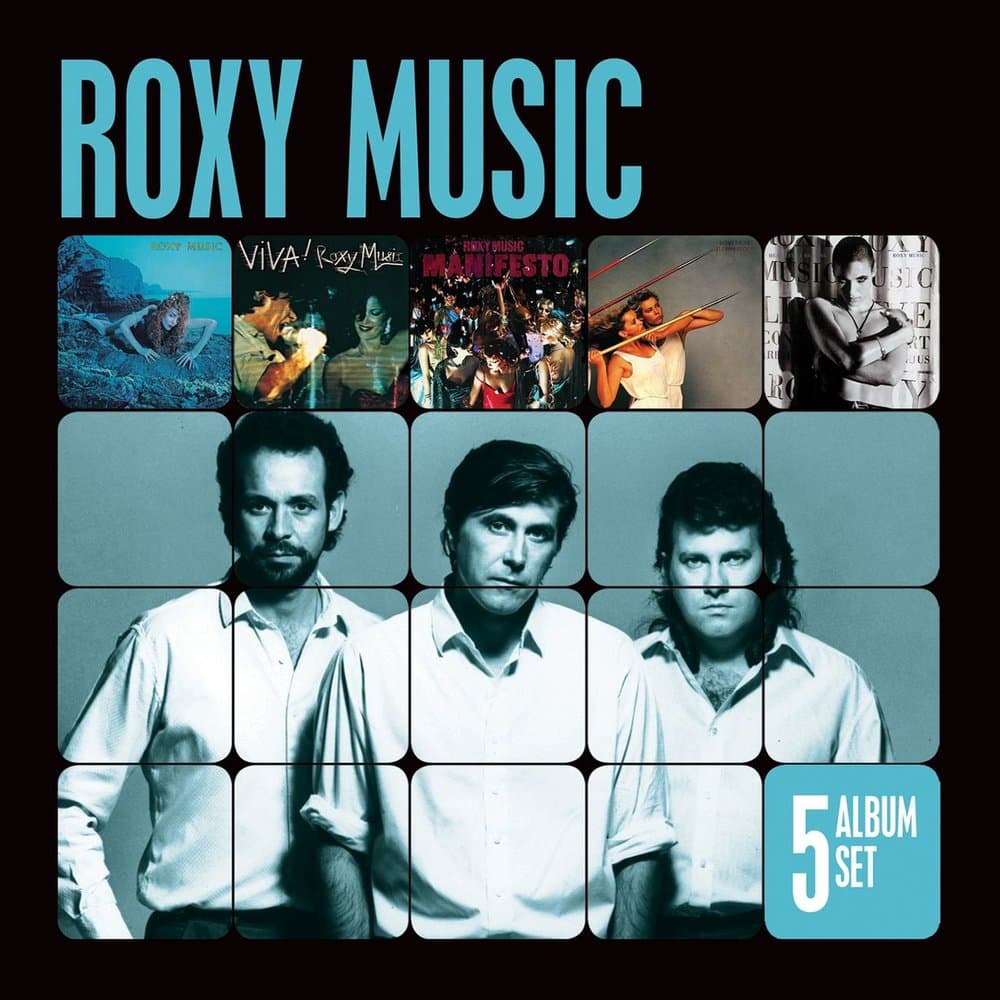
By 1979, the music world had shifted dramatically. The initial shockwaves of punk had subsided, and the polished sounds of new wave and disco were taking over. Amidst this change, a legendary band, once the darlings of the art-rock movement, made a dramatic return from a three-year hiatus. Led by the enigmatic Bryan Ferry, Roxy Music had to prove they were still relevant, and their comeback album, Manifesto, was a high-stakes moment of artistic reinvention. Within its tracks lay a song that would become a global sensation and one of the most beloved pieces of their career. That song was “Dance Away.” A powerful and enduring hit, it soared to a peak of number two on the UK Singles Chart, becoming a bittersweet anthem for a generation. Its success was a testament to the band’s masterful evolution, but its true power lies in the cinematic, emotional drama woven into its very soul.
The story behind “Dance Away” is rooted in the theatricality and personal heartbreak that defined Roxy Music’s aesthetic. The song had existed in various forms for years, even appearing on Bryan Ferry’s solo demos, but it was on Manifesto that it found its true voice. The drama is a personal one, a moment of profound vulnerability from a man famous for his cool, detached persona. The lyrics, penned by Ferry himself, are a mournful lament for a love that has died. The narrator is a heartbroken soul, lost in a room full of people, clinging to the dance floor as both a stage for his sorrow and a means of escape. The central conflict is a universal one: the pain of a broken heart versus the desperate need to pretend everything is fine. The song captures that moment of public anguish, the theatricality of masking your pain with a forced smile and a rhythmic sway.
The song’s theatricality is beautifully amplified by its musical arrangement. “Dance Away” is a perfect paradox. The music is a suave, sophisticated dance number, with a gentle, hypnotic rhythm and a lush, elegant melody. But beneath this polished exterior, the lyrics are a raw confession of despair. Lines like “I can see you’re alone with your pride / Not alone, you’ve got troubles inside” feel like a personal observation, a direct window into a pained soul. The song’s emotional climax is delivered not with a shout, but with a quiet, devastating grace. Bryan Ferry’s vocal performance is a masterclass in controlled agony, his voice a perfect blend of pained resignation and elegant poise. The soaring, pained guitar solo by Phil Manzanera is a character in itself, weeping and soaring with a feeling that words cannot express.
For those of us who remember this era, “Dance Away” is more than a song; it’s a time capsule. It takes us back to a time when emotional honesty could be dressed in a stylish, almost detached elegance. It’s a nostalgic reminder of the universal truth that sometimes, the most poignant act of defiance is to get up and dance in the face of your own heartbreak. It is a timeless and deeply emotional piece of music that continues to resonate with its cinematic, heartbreaking drama, a beautiful testament to the enduring power of a broken heart set to a perfect beat.