
A Cynical and Exotic Noir Vignette, a Dark Fable of Marital Failure and the Illusion of Easy Escape.
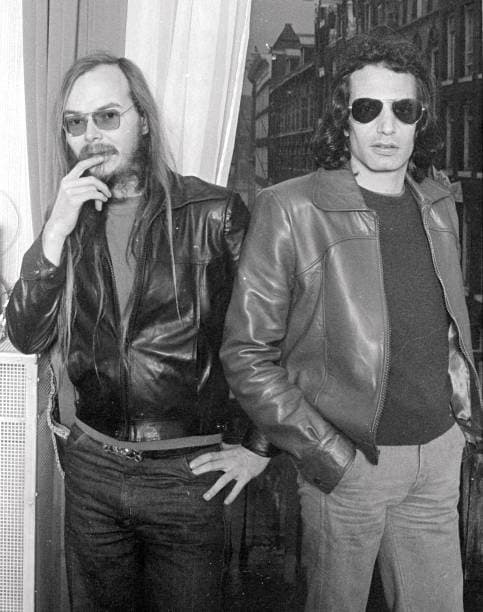
The year 1976 found Steely Dan—the ingenious partnership of Donald Fagen and Walter Becker—at their most musically ruthless and lyrically cynical. Their album, The Royal Scam, was a dazzling, dark collection of songs, a study in urban alienation, con men, and broken American dreams that climbed to number 15 on the Billboard 200. Within this complex, emotionally detached landscape, one track stood out for its exotic setting and chilling narrative of betrayal. That song was “Haitian Divorce.” Released as a single, it managed to achieve a respectable success abroad, notably reaching number 17 on the UK Singles Chart, though it was overshadowed by other tracks in the US. Its enduring power, however, lies not in its chart position, but in its profound, noir-like drama that dissects the emptiness of seeking easy solutions to painful realities.
The story behind “Haitian Divorce” is a bleak, theatrical observation of marital failure. The central character is a woman who travels to Haiti, a common practice at the time for Americans seeking a quick, no-fault legal dissolution of their marriage—the very “royal scam” that forms the album’s core theme. The drama is the juxtaposition of the beautiful, tropical locale with the ugly, transactional nature of the human interaction taking place there. The lyrics, penned with Fagen and Becker’s signature sardonic wit, chronicle how this supposed escape from marriage leads only to a casual, meaningless affair, resulting in an immediate and hollow pregnancy. The journey to legal freedom ultimately delivers a new kind of chain, a crushing realization that a legal document cannot mend a broken soul or grant the inner peace that was sought.
The meaning of the song is a scathing indictment of disillusionment. It critiques the American illusion that emotional crises can be solved with a quick geographical fix, showcasing the moral vacuum that results when commitment is abandoned for convenience. The music is the chilling soundtrack to this moral decay. “Haitian Divorce” is built on a cool, reggae-influenced groove, but this is no celebratory tropical rhythm; it is infused with a tense, cynical melancholy. The bassline and percussion pulse with a steady, almost detached rhythm that perfectly underscores the narrative’s emotional detachment. The ultimate dramatic climax of the song is not a vocal outburst, but a groundbreaking musical statement: the iconic, talk box-driven guitar solo played by Walter Becker. This solo, with its synthesized, “singing” guitar effect, sounds less like an instrument and more like a ghostly, mocking voice commenting on the absurdity and emptiness of the scene, deepening the song’s sense of dark, theatrical irony.
For older listeners, “Haitian Divorce” is a potent dose of nostalgia, a reminder of the era when rock albums were expected to be cinematic, intellectually challenging works of art. It’s a testament to the fact that Fagen and Becker could cloak profound cynicism in the most dazzling musical sophistication. The song stands as a timeless, brilliant, and deeply atmospheric piece of musical noir, a haunting and sophisticated reminder that there is no easy way out of a broken heart.