
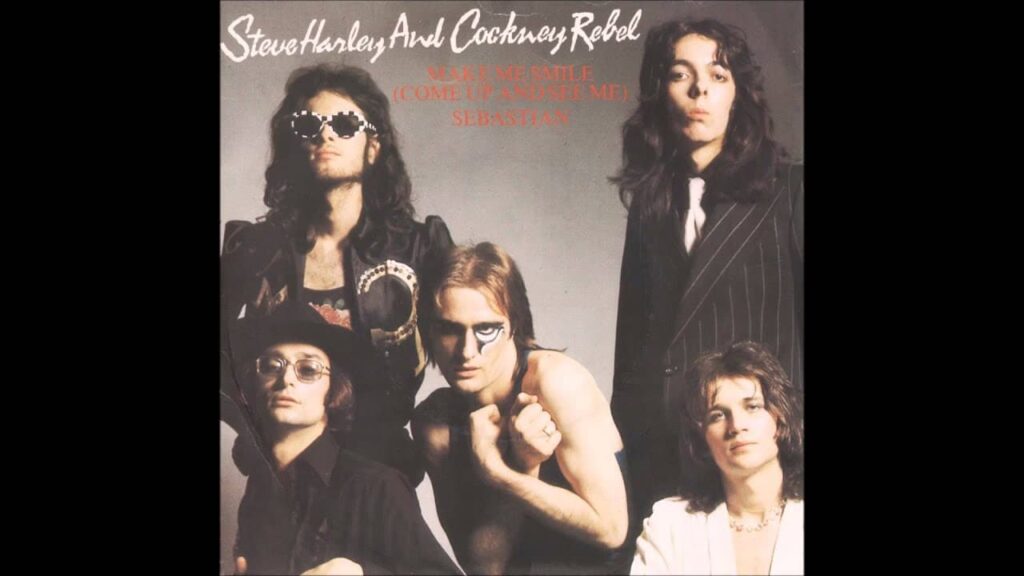
An Operatic and Haunting Gothic Fable, a Tragic Search for Salvation Amidst Betrayal and Obsession.
In 1973, the British music scene was fractured by the lingering glitter of glam and the dawning sophistication of art-rock. Emerging from this chaos was Steve Harley & Cockney Rebel, a band defined by its theatrical posture, literary flair, and the mesmerizing, dramatic genius of frontman Steve Harley. Their debut album, The Human Menagerie, was not a collection of simple rock songs, but a baroque, ambitious statement of intent. Within its darkly poetic tracklist lay an obscure, seven-minute epic that would earn a peculiar, almost tragic, place in rock history. That song was “Sebastian.” Its chart story is one of dramatic contrast: a colossal, chart-topping smash hit in continental Europe, reaching number one in territories like Belgium and the Netherlands, yet it remained a forgotten masterpiece in the UK, never even being released as a single. This profound disparity only heightens the song’s mysterious, powerful legacy.
The story behind “Sebastian” is the drama of pure artistic ambition. At a time when most bands were streamlining their sound for radio, Steve Harley did the opposite. He created a piece of intense, operatic melodrama. The band’s lineup, despite being visually striking, was secondary to the song’s stunning musical arrangement. This wasn’t just rock and roll; it was a full-scale orchestral confession. The decision to employ a grand, lush string section and a soaring choir was a deliberate artistic gamble, elevating the song from a simple rock track into a piece of sacred, tragic performance art. The drama lies in the song’s maximalist sound—a towering, melancholic cathedral built of music—juxtaposed with its subsequent commercial ambivalence in the very market where the band was based.
Lyrically, “Sebastian” is an enigmatic, heartbreaking monologue. The song is a theatrical expression of intense, almost religious, longing, wrapped in gothic imagery of snow, darkness, and a search for a figure named Sebastian. This figure is rarely interpreted as a simple lover but as a symbol of unattainable salvation, be it spiritual, artistic, or a tragically pure form of love that the narrator has betrayed or lost. The raw, desperate emotion in Steve Harley’s vocal performance is palpable; he sounds like a man on the brink, delivering a final, anguished plea before surrendering to the inevitable. The music is the character that carries the true emotional weight. The verses are quiet and contemplative, building an unbearable tension that is finally released in a glorious, tidal wave of sound. The final, soaring climax, driven by the thunder of the full orchestra, is pure, heart-wrenching drama, a sonic expression of absolute, overwhelming despair and longing.
For those who came of age with this music, “Sebastian” is a cherished secret, a nostalgic reminder of the intense, theatrical side of 70s rock that defied categorization. It’s a testament to the fact that some of the greatest artistic works are those that fail the commercial litmus test in their home market, only to find rapturous acclaim elsewhere. The song stands as an essential chapter in the Cockney Rebel story, revealing a creative depth that went far beyond the hits that would later define them. It remains a timeless, deeply emotional, and magnificently dramatic piece of musical theater.