
A Gritty Dawn: Finding Hope in the Bleak Midwinter of the Soul
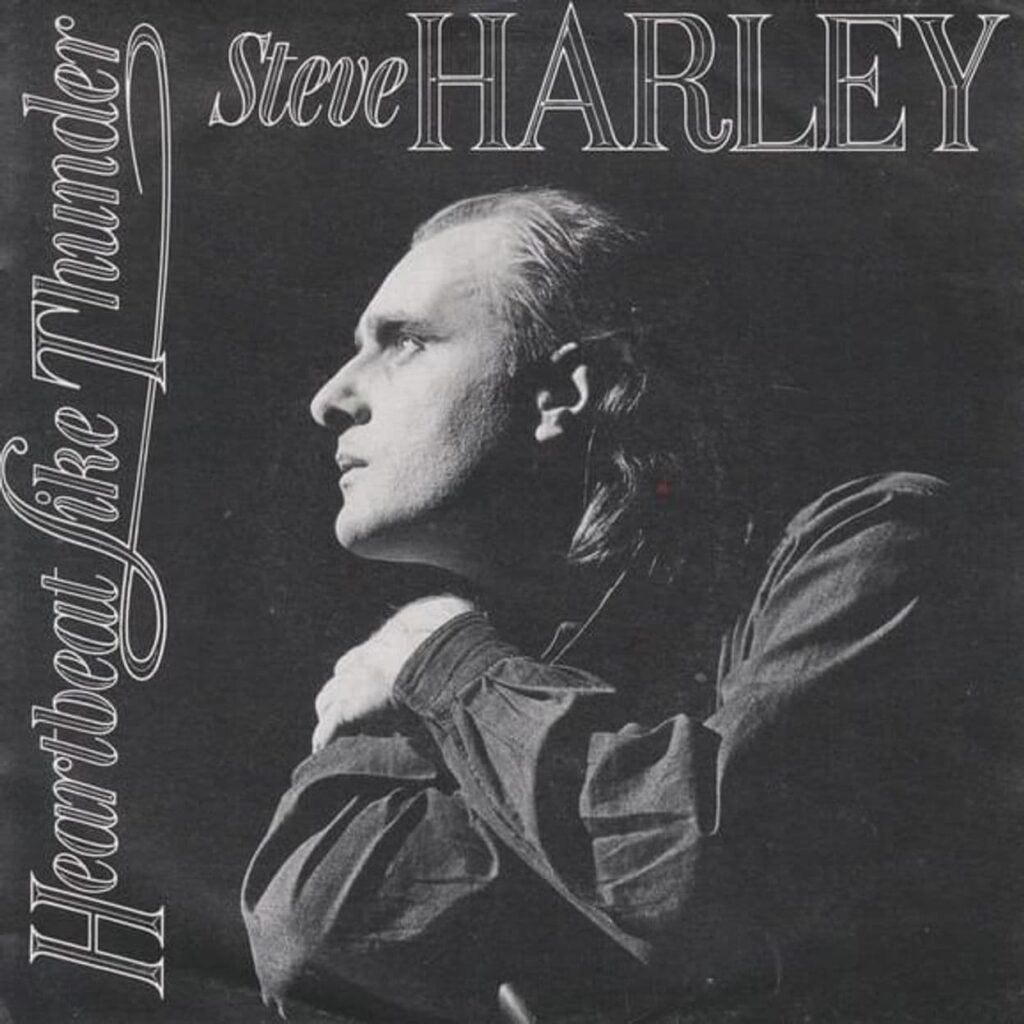
The mid-1970s, for many who lived through it, was a time tinged with a certain wistfulness. The vibrant cultural explosion of the late sixties had begun to cool, and the grand ambitions of the early seventies were giving way to more cynical realities. Yet, amidst this shift, music continued to be a powerful beacon, offering solace, provocation, and, at times, unexpected surges of pure joy. One artist who consistently defied easy categorization, possessing both an intellectual bite and an undeniable popular appeal, was Steve Harley. And within his enigmatic and brilliant catalog, his striking rendition of “Here Comes the Sun” offered a unique, almost defiant, burst of optimism.
Released in 1976, Steve Harley & Cockney Rebel’s version of “Here Comes the Sun” arrived on their album “Love’s a Prima Donna.” This was a bold move, taking on a beloved composition by one of the most revered songwriters of all time, George Harrison of The Beatles. Yet, Harley and his band, Cockney Rebel, didn’t merely cover the song; they reimagined it, filtering its inherent hope through their own distinctively edgy, art-rock lens. While The Beatles’ original from their 1969 masterpiece “Abbey Road” was already a timeless classic, Harley’s interpretation found its own significant audience. It became a notable hit, reaching number 10 on the UK Singles Chart and number 7 in Ireland, demonstrating the enduring power of the song’s message and Harley’s compelling delivery. This success also underscored the continued relevance of Steve Harley & Cockney Rebel in the evolving music landscape, even after the massive impact of their earlier smash, “Make Me Smile (Come Up and See Me),” which had topped the charts in 1975.
For those of us who recall the sonic tapestry of the mid-70s, Steve Harley’s “Here Comes the Sun” evokes a powerful sense of resilience and the persistent human need for light amidst the darkness. It brings to mind car journeys on grey, overcast days, the radio playing, and this song emerging as a sudden, unexpected ray of hope. The story behind George Harrison’s original “Here Comes the Sun” is well-known: a moment of pure relief and inspiration born in Eric Clapton’s garden, a respite from the taxing business affairs of The Beatles. It was a personal expression of liberation from a “long, cold, lonely winter” – both literal and metaphorical – within the band. Steve Harley, however, brought his own layers of meaning to it. Known for his intellectual and often theatrical approach to songwriting, Harley imbued the track with a different kind of yearning, a slightly more sophisticated, almost melancholic optimism that suited the changing times. He took the foundational joy of Harrison’s lyrics and reinterpreted them with a voice that had navigated the complexities of fame and artistic integrity, giving the sentiment a grounded, hard-won feel.
The meaning of “Here Comes the Sun”, regardless of who performs it, is universally about the triumph of light over darkness, hope over despair, and renewal after hardship. It’s the quintessential anthem for turning a corner, for escaping a period of difficulty and looking forward to brighter days. Steve Harley’s rendition, however, adds a particular depth. His often-dramatic vocal style, combined with Cockney Rebel’s signature arrangements—often featuring lush strings and inventive instrumentation—transformed the track into something grander, more cinematic. It wasn’t just a simple folk-pop song; it was an orchestral embrace of optimism, a powerful declaration that even after the longest, coldest, and loneliest of winters, the sun will rise again. It speaks to the human capacity for endurance, the unwavering belief that better times are always on the horizon, even when the immediate present feels bleak.
For older listeners, Steve Harley’s “Here Comes the Sun” is a poignant reminder of an era where art rock and sophisticated pop could coexist on the charts, and where a familiar melody could be given a powerful new lease on life. It evokes memories of personal struggles overcome, of waiting for one’s own sun to emerge from behind the clouds, and the quiet strength found in knowing that even the darkest nights eventually yield to dawn. It is a testament to Harley’s artistry that he could take such an iconic song and make it profoundly his own, delivering a message of enduring hope that continues to resonate with timeless grace and an unyielding spirit.