
A Wild, Rebellious Laugh at the Absurd Machinery of Fame and Power
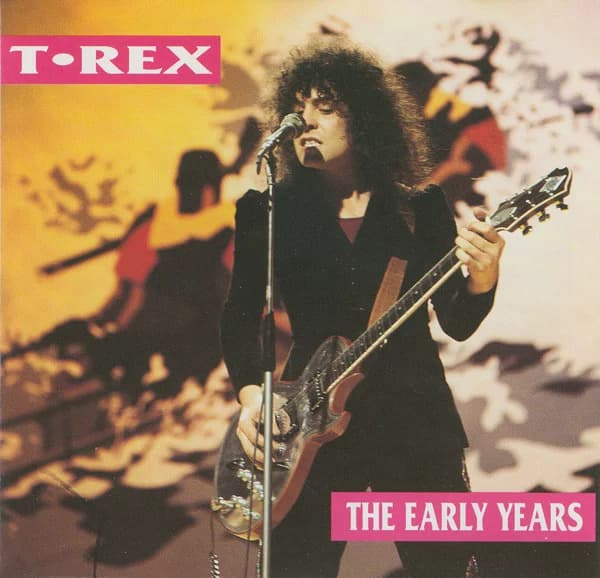
Released in 1971 on Electric Warrior, the album that carried T. Rex to number one on the UK charts and solidified the height of glam rock’s seductive rise, “Rip Off” closes the record not with polish or restraint but with chaos, swagger, and a hint of madness. Marc Bolan doesn’t deliver this track like a singer concluding an album. He delivers it like a prophet at the edge of a fever dream, laughing at the systems of control closing in on art, culture, and individuality.
From the opening riff, “Rip Off” carries a gritty, unvarnished energy that feels more garage than glam, yet the glitter still flickers beneath the distortion. Bolan’s guitar snarls through the mix with a looseness that suggests instinct over calculation. Beneath that wild exterior sits a subtle orchestral presence, arranged with the same genius touches that defined the album’s balance between raw rock and lush sophistication. It is a reminder that Bolan understood both theater and instinct, excess and purity, whimsy and confrontation.
Lyrically, “Rip Off” feels like a jab at the world closing in on artists during a time when the music industry was transforming into something larger, slicker, and more commercially aggressive. The song paints scenes of crazed lovers, strange authority figures, and society’s pressures tightening around individuality. Bolan throws these images like fragments, knowing they don’t need to connect neatly because the emotion beneath them already makes sense. He is amused, frustrated, and unbothered all at once, adopting the tone of someone who refuses to be tamed.
Brian Curran once described Bolan’s later years as haunted by the very fame he cultivated, but “Rip Off” shows that he knew the game early. He mocks it, dances with it, then spits it out. Bolan transforms cynicism into style, which may be the defining trait of glam rock’s first true king.
The outro, famously chaotic and improvisational, feels like a collapse and a celebration. Horns howl, strings lurch, and Bolan lets his voice unravel. It is not graceful, but it is alive, and that is the point. The song does not resolve. It erupts and then disappears.
In the full arc of Electric Warrior, “Rip Off” is the final smirk. The rest of the album seduces, romances, and hypnotizes, yet the closing track rips the curtain down just as the dream peaks. It leaves the listener standing in the glow of glam and the dirt of reality, reminded that art, fame, and identity can never be neatly separated.
“Rip Off” is not just a closing track. It is Marc Bolan’s reminder that behind every fantasy there is a fight, and behind every movement there is a voice refusing to be shaped by anything but its own wild spark.